

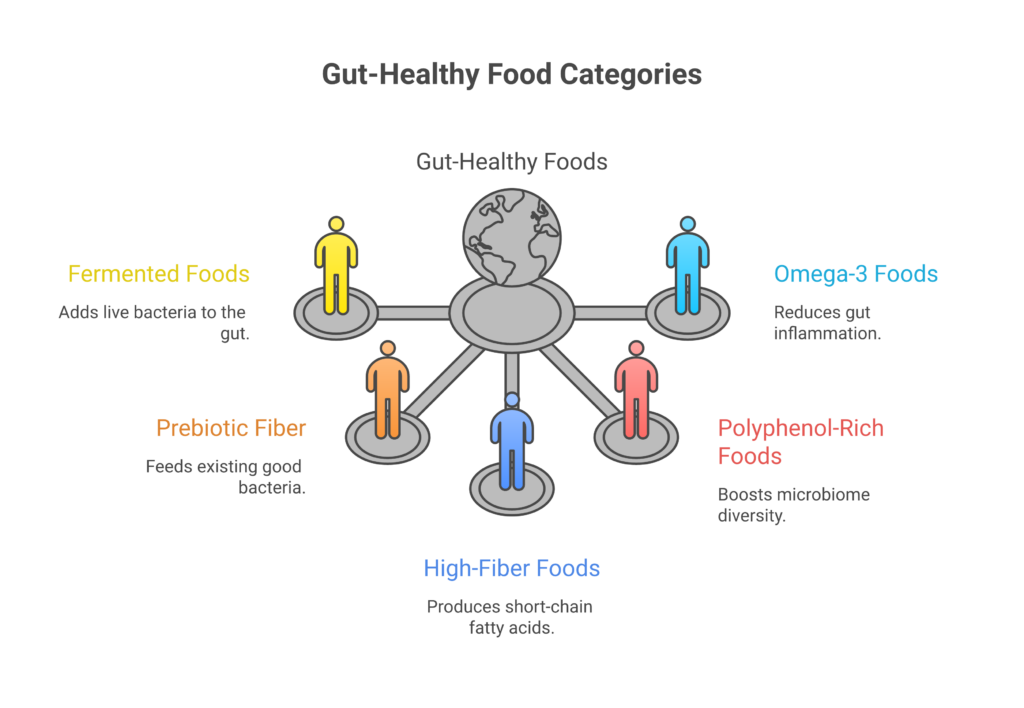
The best foods for gut health are fermented foods such as yogurt, kefir, sauerkraut and kimchi, fiber-rich plant foods such as oats, beans and lentils, prebiotic foods such as garlic and onions, and polyphenol-rich foods such as berries and green tea. In a 2021 Stanford trial published in Cell, a diet high in fermented foods steadily increased gut microbiota diversity and lowered inflammatory markers in healthy adults (Wastyk et al., 2021).
Written by the Editorial Team. Medically reviewed by Matthew Olesiak, MD, on September 24, 2026. Updated March 2026. Part of the Consumer Health Guide research library.
The bacteria in your gut do more than digest food. They produce vitamins, regulate your immune system, communicate with your brain, and influence whether you gain or lose weight. A large-scale citizen science initiative called the American Gut Project, published in mSystems in 2018, found that the number of different plant types people ate was linked to the diversity of their gut microbes. People who ate more than 30 plant types a week carried more of certain bacteria that make short-chain fatty acids than people who ate 10 or fewer. The project drew on samples from more than 10,000 citizen scientists in 45 countries and territories (McDonald et al., 2018).
So which foods actually move the needle? Here’s what the science supports, what to eat more of, and what to cut back on. (see gut microbiome research) (see probiotic safety)
Fermented Foods: The Fastest Way to Add Good Bacteria
Fermented foods introduce live microorganisms directly into your digestive tract. A 2021 Stanford University study led by researchers Justin Sonnenburg and Christopher Gardner found that participants who followed a diet high in fermented foods for 10 weeks increased their gut microbiome diversity, and levels of 19 inflammatory proteins measured in their blood decreased (Stanford Medicine).
None of those 19 proteins decreased in the high-fiber group of the same study.
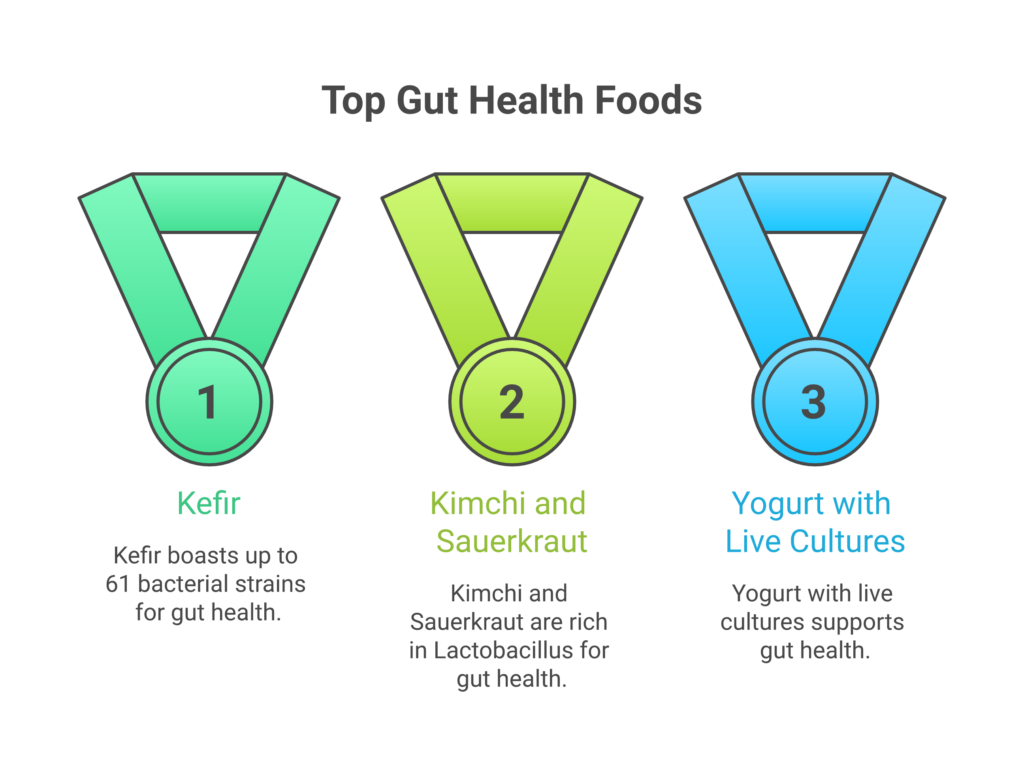
Yogurt with live active cultures remains one of the most accessible fermented foods. Look for labels that say “live and active cultures” and skip anything heat-treated after fermentation, which kills the bacteria. Greek yogurt provides probiotics alongside 15-20 grams of protein per serving.
Kefir contains up to 61 different strains of bacteria and yeasts, far more than yogurt’s typical 2-5 strains. A review in Nutrition Research Reviews reported that kefir consumption improved lactose digestion, reduced gut inflammation, and showed antibacterial activity against harmful pathogens. If dairy bothers you, kefir is often tolerable because fermentation breaks down most of the lactose.
Kimchi and sauerkraut deliver probiotics without dairy. Both are made from fermented vegetables and are rich in Lactobacillus bacteria. Buy them from the refrigerated section, not the shelf-stable aisle. Shelf-stable versions have been pasteurized, which destroys the live cultures.
Miso and tempeh are fermented soy products common in Japanese and Indonesian diets. Miso paste adds probiotics to soups and dressings. Tempeh provides both probiotics and 20 grams of protein per serving, making it one of the most nutrient-dense fermented foods available.
Kombucha is a fermented tea that provides probiotics, organic acids, and polyphenols. Start with 4-8 ounces daily if you’re new to it. Some brands contain added sugar, so check the label and choose options with less than 5 grams per serving.
High-Fiber Foods: What Your Gut Bacteria Actually Eat
Probiotics get the attention, but fiber is what keeps beneficial bacteria alive and thriving. Your gut bacteria ferment fiber into short-chain fatty acids (SCFAs) like butyrate, propionate, and acetate. These SCFAs nourish colon cells, reduce inflammation, and strengthen the gut barrier. For a deeper look at butyrate’s role, see our guide on why postbiotics and butyrate may outperform probiotics.
Gut health also influences your skin through what researchers call the gut-skin axis. Learn which topical ingredients complement an inside-out approach in our dark spot remover ingredients.
Your gut and brain are connected through the vagus nerve and the gut-brain axis. If you are also experiencing nerve discomfort, see our nerve supplement guide for ingredients backed by clinical research.
The average American eats about 15 grams of fiber per day. The recommended intake is 25-38 grams. Closing that gap is one of the single most effective things you can do for your gut.
Legumes are the fiber champions. One cup of cooked lentils delivers 15.6 grams of fiber. Chickpeas provide 12.5 grams per cup. Black beans come in at 15 grams. Legumes also contain resistant starch, which passes through the small intestine undigested and feeds bacteria in the colon. A meta-analysis in Critical Reviews in Food Science and Nutrition linked regular legume consumption to increased Bifidobacterium and Lactobacillus populations.
Oats contain beta-glucan, a soluble fiber that feeds beneficial bacteria and supports immune function. Steel-cut or rolled oats are best. Instant oats are more processed but still provide beta-glucan.
Cruciferous vegetables like broccoli, Brussels sprouts, cauliflower, and cabbage provide fiber along with sulfur compounds called glucosinolates. A 2019 study in the Journal of Nutritional Biochemistry by Kaczmarek et al. found that broccoli consumption increased beneficial bacteria and reduced gut inflammation in participants over 18 days.
Leafy greens including spinach, kale, and Swiss chard contain a unique sugar called sulfoquinovose (SQ) that feeds beneficial gut bacteria. Research from the University of Vienna and University of Konstanz, published in The ISME Journal in 2021, identified SQ as a preferred energy source for protective bacteria in the gut.
Prebiotic Foods: Targeted Fuel for Specific Bacteria
Prebiotics are a specific subset of fiber that selectively feeds beneficial bacteria. Not all fiber is prebiotic, but all prebiotics are fiber or fiber-like compounds.
Garlic and onions are among the richest sources of inulin and fructooligosaccharides (FOS), two prebiotics that increase Bifidobacterium populations. Research published in 2020 found that aged garlic extract increased microbial diversity after 3 months of daily supplementation. Raw garlic provides more prebiotic benefit than cooked, though both are useful.
Asparagus provides inulin along with folate and antioxidants. Jerusalem artichokes (a sunflower tuber, not an artichoke) contain some of the highest inulin levels of any food. Introduce them gradually because high inulin intake can cause gas.
Bananas, especially slightly green ones, contain resistant starch that feeds colonic bacteria. As bananas ripen, their resistant starch converts to sugar. If you want the prebiotic benefit, eat them before they’re fully ripe.
Apples provide pectin, a soluble fiber that acts as a prebiotic. Clinical research has shown that eating two apples daily can increase beneficial Bifidobacterium and Lactobacillus populations, with measurable changes in as little as two weeks. Eat the skin, which contains most of the fiber and polyphenols.
Polyphenol-Rich Foods: Antioxidants That Feed Your Microbiome
Polyphenols are plant compounds that most people think of as antioxidants. But about 90-95% of dietary polyphenols aren’t absorbed in the small intestine. Instead, they reach the colon where gut bacteria metabolize them into bioactive compounds that reduce inflammation and support microbiome diversity.
Berries are polyphenol powerhouses. Blueberries, strawberries, raspberries, and blackberries provide anthocyanins that increase beneficial Akkermansia muciniphila, a bacterium linked to healthy metabolism and reduced inflammation. A 2020 review in Food and Function confirmed that berry polyphenols consistently improve gut bacteria composition across multiple human trials.
Extra virgin olive oil contains hydroxytyrosol and oleocanthal, polyphenols that promote beneficial bacteria while reducing Clostridium species associated with disease. Drizzle it on salads, roast your vegetables in it, dip bread in it. You can heat it gently for cooking without destroying the polyphenols, but I prefer saving the really good extra-virgin stuff for finishing dishes.
Dark chocolate (70% cacao or higher) is the rare health food that people actually want to eat. Louisiana State University researchers discovered why it works: gut bacteria break down cacao polyphenols into smaller anti-inflammatory molecules that get absorbed into the bloodstream. One to two squares a day is plenty. More than that and the calorie count starts working against you.
Green tea contains catechins, particularly EGCG, that promote Lactobacillus and Bifidobacterium growth while inhibiting harmful Clostridium perfringens. Two to three cups daily provides meaningful amounts of these polyphenols.
Omega-3 Rich Foods: Reducing Gut Inflammation
Chronic gut inflammation damages the intestinal lining and reduces microbiome diversity. Omega-3 fatty acids from fatty fish reduce this inflammation and support gut barrier integrity.
Salmon, mackerel, sardines, and anchovies provide EPA and DHA, the two omega-3 forms with the strongest anti-inflammatory evidence. A 2017 study in Scientific Reports found that omega-3 supplementation increased Bifidobacterium, Roseburia, and Lactobacillus in the gut while reducing inflammatory markers. Aim for two servings of fatty fish per week.
For plant-based sources, ground flaxseeds (2 tablespoons provide 3.5 grams of ALA omega-3), chia seeds, and walnuts offer omega-3s combined with fiber that doubles their gut benefit. Ground flax is better absorbed than whole seeds.
Bone Broth and Collagen: Supporting the Gut Lining
Bone broth provides gelatin, collagen, and the amino acid glutamine, which is the primary fuel source for cells lining the small intestine. A 2017 study in Current Opinion in Clinical Nutrition and Metabolic Care found that glutamine supplementation improved intestinal barrier function in critically ill patients.
The research on bone broth specifically is still limited, and I want to be honest about that. Most of the evidence applies to isolated nutrients (glutamine, glycine, collagen peptides) rather than bone broth as a whole food. Try sipping 1-2 cups daily, or use it as a cooking liquid for grains and soups.
Anti-Inflammatory Spices: Ginger and Turmeric
Ginger stimulates gastric motility and digestive enzyme production. A 2019 systematic review in Food Science and Nutrition by Nikkhah Bodagh et al. confirmed ginger’s effectiveness for reducing nausea and supporting digestion across multiple clinical trials. Fresh ginger in smoothies, stir-fries, or tea provides the strongest benefits.
Turmeric contains curcumin, which reduces gut inflammation and may improve gut barrier function. Curcumin is poorly absorbed on its own, but combining turmeric with black pepper increases absorption by up to 2,000%, according to a study in Planta Medica. Add both to curries, golden milk, or scrambled eggs.
Nuts and Seeds: Prebiotic Fiber With Healthy Fats
Almonds provide prebiotic fiber, polyphenols, and monounsaturated fats. A 2022 study in the American Journal of Clinical Nutrition found that eating 56 grams (about 2 ounces) of whole almonds daily increased butyrate-producing bacteria and boosted butyrate levels in stool samples compared to a control group. That matters because butyrate is the primary energy source for colon cells and plays a role in preventing colorectal disease. Learn more in our guide on what to look for in a postbiotic supplement.
Walnuts, pistachios, and cashews also support microbiome diversity through their unique combinations of fiber, polyphenols, and fatty acids. A handful of mixed nuts daily (about 1 ounce) is a reasonable goal.
Resistant Starch Foods: Feeding Bacteria That Produce Butyrate
Resistant starch is a type of carbohydrate that resists digestion in the small intestine and reaches the colon intact, where bacteria ferment it into butyrate and other short-chain fatty acids. For a deep dive into why butyrate matters, read our article on tributyrin and CoreBiome, the patented form of butyrate.
Cooked and cooled potatoes, rice, and sweet potatoes contain more resistant starch than their freshly cooked versions. Cooling converts some digestible starch into resistant starch through a process called retrogradation. Potato salad, cold rice bowls, and leftover sweet potatoes are practical ways to increase resistant starch intake.
Green bananas and plantains are among the highest natural sources of resistant starch. As they ripen and soften, resistant starch content drops.
The Gut-Brain Connection: Why Your Diet Affects Your Mood
Your gut and brain communicate through the vagus nerve, hormones, and immune signaling molecules. About 95% of your body’s serotonin is produced in the gut, not the brain. A 2019 study in Nature Microbiology analyzing data from over 1,000 participants in the Flemish Gut Flora Project found that two bacterial genera, Coprococcus and Dialister, were consistently depleted in people with depression, even after controlling for antidepressant use.
This means that the foods listed above don’t just improve digestion. They potentially influence mood, anxiety, and cognitive function. Fiber-rich and fermented foods that increase microbial diversity may support mental health through this gut-brain pathway. If you’ve noticed that your mood improves when you eat well and crashes when you eat poorly, the gut-brain axis is likely part of the explanation.
The same connection applies to nerve function. If you’re interested in how food choices affect nerve health specifically, see our article on foods for overactive nerves.
Foods to Avoid or Limit for Better Gut Health
Here’s the part nobody likes hearing. You can eat all the kefir and kimchi you want, but if you’re still loading up on the foods below, you’re fighting an uphill battle.
- Ultra-processed foods (chips, packaged snacks, fast food): A 2021 study in The BMJ analyzing data from over 116,000 participants in the PURE cohort found that higher ultra-processed food consumption was associated with increased risk of inflammatory bowel disease. Many of these products contain emulsifiers (polysorbate 80 and carboxymethylcellulose are the big ones) that animal research shows can wear down your gut’s protective mucus layer. Read ingredient labels. If you can’t pronounce half the list, your gut bacteria probably can’t process it well either.
- Artificial sweeteners (aspartame, sucralose, saccharin): A 2022 randomized controlled trial published in Cell by researchers at the Weizmann Institute found that saccharin and sucralose altered gut bacteria and impaired blood sugar regulation in healthy adults within two weeks. Stevia came out looking better in that study, though the research on it is still thin. If you need a sweetener, stevia is probably your safest bet for gut health, but I’d rather see people gradually reduce their sweetness threshold.
- Excess alcohol: Regular heavy drinking reduces microbial diversity and increases intestinal permeability (“leaky gut”). A 2017 study in Alcohol Research showed that chronic alcohol consumption depletes beneficial Lactobacillus and Bifidobacterium while promoting inflammatory bacteria. Moderate consumption (one drink per day or less) appears less harmful, though the gut-optimal amount may be zero.
- Excessive added sugar: High sugar intake feeds less beneficial bacteria and yeasts like Candida, potentially shifting the microbiome toward an inflammatory profile. The American Heart Association recommends no more than 25 grams (women) or 36 grams (men) of added sugar daily.
- Red and processed meats in excess: Gut bacteria convert compounds in red meat (L-carnitine and choline) into trimethylamine N-oxide (TMAO), which is linked to cardiovascular inflammation. You don’t need to eliminate red meat entirely, but keeping intake to 1-2 servings per week and emphasizing fish, poultry, and plant proteins is a reasonable approach.
A Sample Day of Gut-Healthy Eating
Putting this all together, here’s what a practical day looks like:
- Breakfast: Steel-cut oats with ground flaxseed, blueberries, and a dollop of plain kefir
- Lunch: Lentil soup with garlic and onions, side salad with olive oil dressing, an apple
- Snack: A handful of almonds and a few squares of dark chocolate (70%+ cacao)
- Dinner: Baked salmon with roasted broccoli and cooled sweet potato, sauerkraut on the side
- Evening: Ginger or green tea
This single day includes fermented foods (kefir, sauerkraut), prebiotic foods (garlic, onions, oats), polyphenol-rich foods (blueberries, dark chocolate, olive oil, green tea), omega-3s (salmon, flaxseed), and resistant starch (cooled sweet potato). That level of variety feeds many different bacterial species and builds a more resilient microbiome.
How Long Does It Take to See Results?
Your gut microbiome responds to dietary changes faster than most people expect. A 2014 study in Nature by researchers at Harvard found that the gut microbiome began shifting within 24 hours of a major dietary change, with significant compositional shifts visible by day 3-4. However, lasting changes in diversity and bacterial populations take longer, typically 2-4 weeks of consistent eating patterns.
If you’re coming from a low-fiber, highly processed diet, introduce high-fiber and fermented foods gradually over 1-2 weeks. Jumping from 15 grams of fiber to 35 grams overnight will cause bloating, gas, and discomfort. Increase by 5 grams every few days and drink plenty of water to help fiber move through your system.
For targeted gut support beyond food, see our gut health supplement rankings.
Browse all of our gut health supplements reviews and guides for more research-backed recommendations.
Gut health also affects how the nervous system functions. The gut-brain axis runs through the vagus nerve and is central to mood, sleep, and pain perception. For the nerve-supportive nutrients side, see our guide on foods that calm an overactive nervous system.
Frequently Asked Questions
What is the single best food for gut health?
No single food can transform your gut on its own, but if I had to pick one, it would be kefir. It delivers more bacterial diversity (up to 61 strains) than any other common food, provides protein, and is well-tolerated even by many people with lactose sensitivity. Pair it with a variety of fiber-rich foods for the best results.
Is coffee good or bad for gut health?
Moderate coffee consumption (2-3 cups daily) appears to benefit gut health. Research has found that regular coffee drinkers tend to have higher levels of anti-inflammatory Faecalibacterium and Roseburia bacteria. Coffee’s polyphenols and chlorogenic acids act as prebiotics. However, excessive coffee on an empty stomach can increase stomach acid and cause discomfort in some people.
Can gut health really affect mental health?
Yes. The gut-brain axis is a well-established bidirectional communication system. About 95% of serotonin is produced in the gut. Multiple studies, including a large 2019 analysis in Nature Microbiology, have linked specific gut bacteria populations to depression and quality of life measures. Improving gut diversity through diet may support mood, though it’s not a replacement for professional mental health care.
What are the signs of poor gut health?
Common signs include frequent bloating, gas, constipation, or diarrhea. Less obvious indicators include persistent fatigue, sugar cravings, unintentional weight changes, skin problems (acne, eczema), food sensitivities that seem to be getting worse, and frequent illness. If digestive symptoms persist for more than 2-3 weeks, consult a healthcare provider to rule out conditions like IBS, SIBO, or celiac disease.
How many different plant foods should I eat per week?
Research from the American Gut Project found that people who ate 30 or more different plant foods per week had significantly more diverse gut microbiomes than those who ate 10 or fewer. “Plant foods” includes fruits, vegetables, grains, legumes, nuts, seeds, herbs, and spices. Each one counts, so variety matters more than volume.
Are probiotic supplements better than fermented foods?
Not necessarily. Fermented foods provide a broader range of bacterial strains along with nutrients like protein, fiber, and vitamins that supplements don’t include. The 2021 Stanford study found that fermented foods outperformed a high-fiber diet for reducing inflammation markers. Supplements can be useful for specific conditions, but whole fermented foods should be your foundation. For supplement guidance, see our postbiotic supplement rankings.
Further Reading from Consumer Health Guide
If you want to go deeper, our guide to natural cough remedies covers what most product pages skip. For readers comparing options, see our breakdown of safe natural laxatives. A useful companion read is what to take for chronic constipation.
We also looked closely at supplements that support nerve repair in a separate guide. For the related question, check constipation explained. You can dig into Emma Relief review if that overlaps with what you’re researching.
Pair this with improve gut health naturally for a fuller picture. Our notes on supplements that help nerve pain address an adjacent topic worth knowing.