
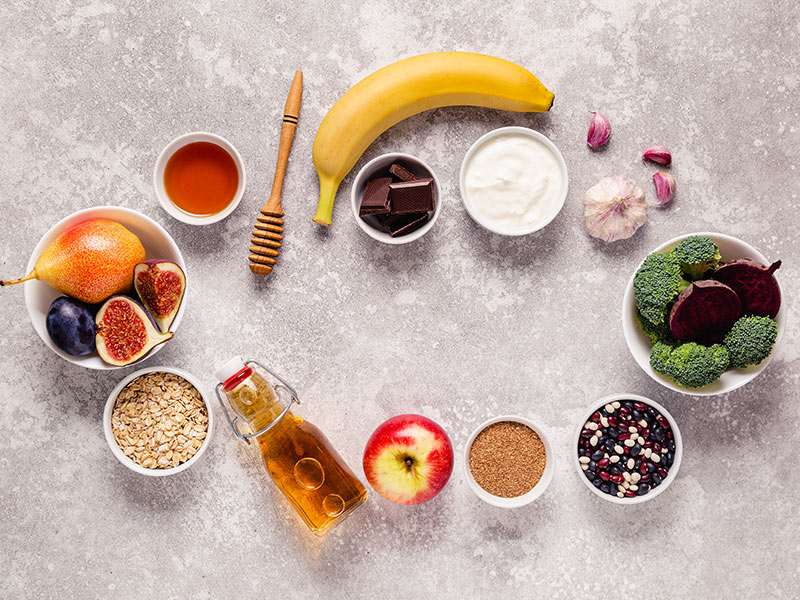
A good postbiotic supplement names each ingredient and its dose, tells you what kind of research stands behind it (human trial, animal study, or lab model), and carries third-party testing. It also helps to know that many products sold as “postbiotics” contain purified compounds such as butyrate, which do not meet the scientific definition of a postbiotic. If you want to understand why those details matter, and how to spot the products that cut corners, keep reading.
Written by the Editorial Team. Medically reviewed by Matthew Olesiak, MD, on September 24, 2026. Updated March 2026. Part of the Consumer Health Guide research library.
The postbiotic label now appears on many gut health products, and it is used loosely. This guide will help you tell well-documented products from vague ones. (see gut microbiome research) (see probiotic safety)
What Exactly Are Postbiotics?
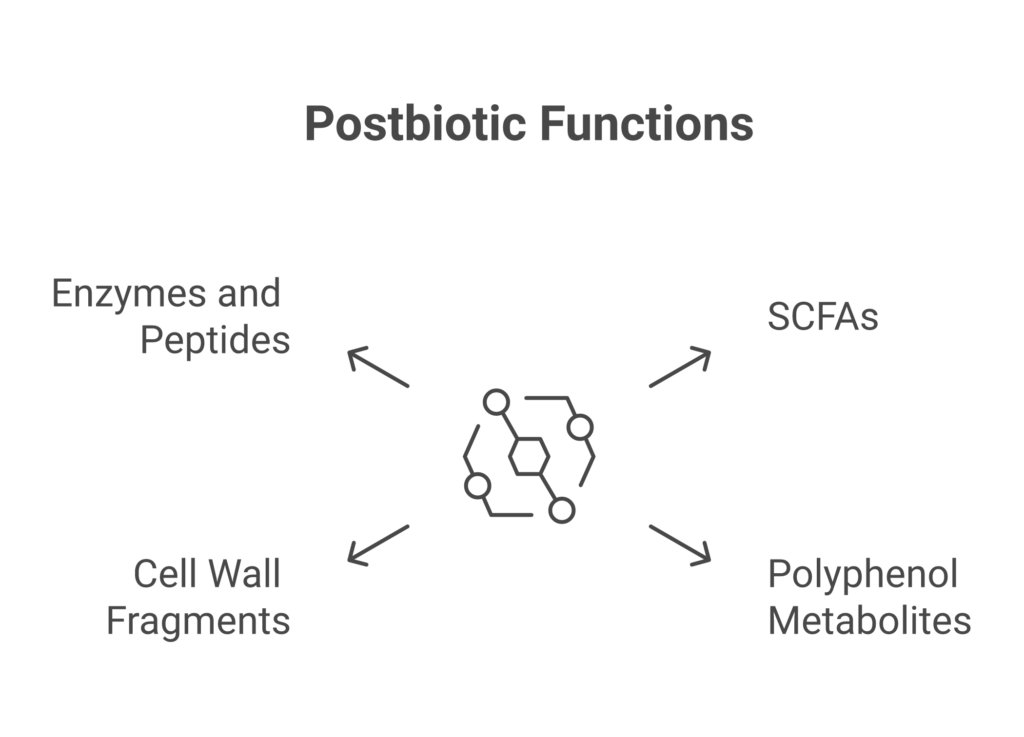
The International Scientific Association for Probiotics and Prebiotics (ISAPP) published a consensus definition in 2021 in Nature Reviews Gastroenterology & Hepatology (Salminen and colleagues), defining a postbiotic as a “preparation of inanimate microorganisms and/or their components that confers a health benefit on the host.” That separates postbiotics from probiotics (live organisms) and prebiotics (substrates that feed them). The panel also stated that the definition does not include substantially purified metabolites without cell biomass, which should be named chemically, for example butyric acid.
In practice, products sold as “postbiotics” fall into two groups:
- Postbiotics under the ISAPP definition: inactivated microorganisms or their cell components, such as pasteurized (heat-killed) Akkermansia muciniphila
- Purified metabolites marketed as postbiotics: short-chain fatty acids such as butyrate (including tributyrin), acetate, and propionate, and polyphenol metabolites such as urolithin A, which gut bacteria can make from ellagic acid in pomegranates and berries
This guide covers both groups because both are sold under the same label, but the difference tells you what you are buying. A well-formulated supplement should specify which postbiotic compounds it contains, not hide behind vague terms like “postbiotic blend” or “proprietary complex.” If you want background on how postbiotics compare to probiotics, our separate guide covers that in depth.
Butyrate and Tributyrin: the Central Ingredients
Butyrate is a short-chain fatty acid that gut bacteria make from fiber. It is often sold as a postbiotic, although under the ISAPP definition purified butyrate is a metabolite. Short-chain fatty acids provide an estimated 60 to 70% of the energy needs of colonocytes (the cells lining your colon), and laboratory and animal research links butyrate to intestinal barrier function and immune regulation, according to a 2023 review in Nutrients.
Gut health also influences your skin through what researchers call the gut-skin axis. Learn which topical ingredients complement an inside-out approach in our dark spot remover ingredients.
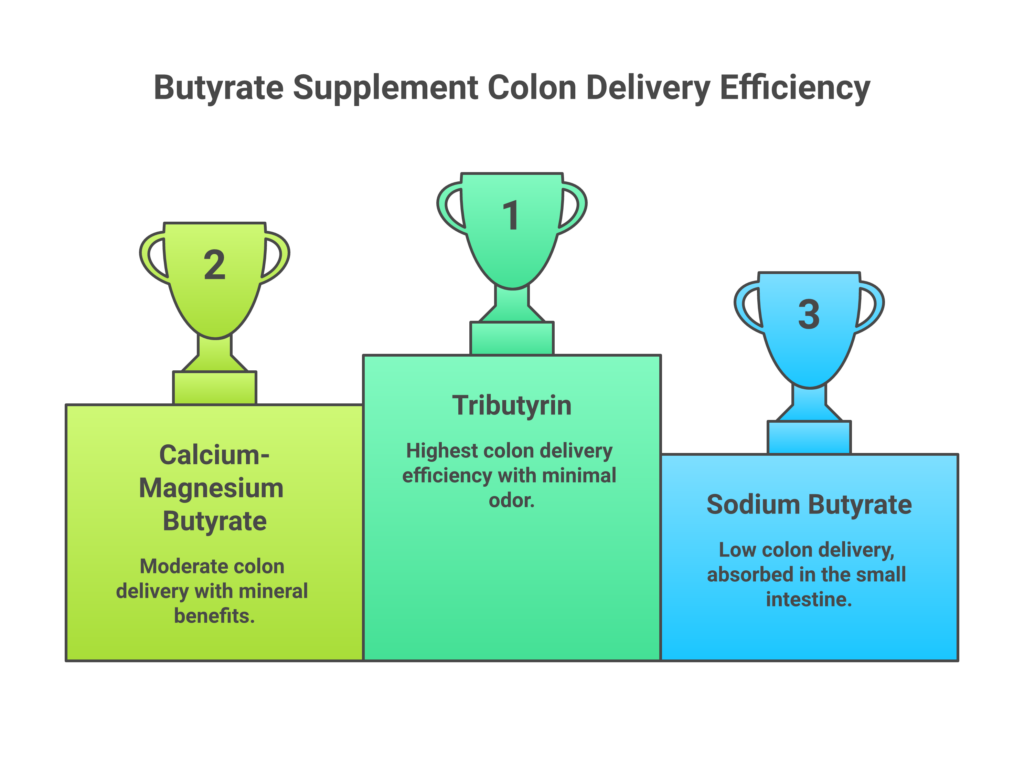
When butyrate is taken by mouth as a salt, such as sodium butyrate or calcium-magnesium butyrate, most of it is absorbed in the small intestine and relatively little reaches the colon, according to the authors of the 2025 study described below. Tributyrin was developed to address that.
How Tributyrin Differs From Plain Butyrate
Tributyrin is a triglyceride form of butyrate that pancreatic lipases split in the intestine to release butyrate. A November 2025 study in Frontiers in Nutrition, funded by CoreBiome maker Compound Solutions, tested CoreBiome tributyrin in a laboratory simulation of the human gut (the Triple-L-SHIME model, an in vitro model rather than a human trial). In the simulated upper digestive tract, 51% to 59% of tributyrin remained stable and available to enter the colon. In the simulated colon, three weeks of tributyrin increased Bifidobacterium longum, Bacteroides fragilis, and Akkermansia muciniphila, and fluid from those simulations protected cultured gut cells against inflammation-induced barrier disruption, raising IL-10 and lowering TNF-alpha. These lab results do not show how much a person absorbs or whether they will feel a benefit.
When you see “tributyrin” or the branded ingredient “CoreBiome” on a supplement label, you at least know which form you are getting. We wrote a full breakdown of tributyrin, CoreBiome, and what the evidence shows if you want the deeper science.
Sodium Butyrate vs. Calcium-Magnesium Butyrate
If tributyrin is not available, these are the two common alternatives:
- Sodium butyrate: a butyrate salt that dissolves and is absorbed quickly, and it adds sodium to your diet.
- Calcium-magnesium butyrate: a butyrate salt that supplies small amounts of calcium and magnesium instead of sodium.
We did not find published studies that compare these salts with tributyrin head to head in people, so claims that one form works better in the body are not yet proven.
Beyond Butyrate: Other Postbiotic Ingredients Worth Knowing
Urolithin A
Urolithin A is a metabolite produced when gut bacteria convert ellagic acid (found in pomegranates, walnuts, and berries) into a bioactive compound. Under the ISAPP definition it is a purified metabolite, not a postbiotic, although it is often marketed as one.
A 2022 randomized, placebo-controlled trial by Singh and colleagues in Cell Reports Medicine, funded by Mitopure maker Amazentis, gave 88 adults aged 40 to 64 either placebo, 500 mg, or 1,000 mg of urolithin A daily for four months. Hamstring strength improved by about 12% in the 500 mg group and 9.8% in the 1,000 mg group compared with placebo. The researchers also reported improvements in aerobic endurance (peak VO2) and six-minute walk distance, but not in peak power output, which was the primary endpoint. C-reactive protein fell, with the change statistically significant at the 1,000 mg dose.
If a product includes urolithin A, compare its amount with the 500 mg and 1,000 mg doses used in that trial.
Pasteurized Akkermansia muciniphila
Akkermansia muciniphila is a bacterium that lives in the mucus layer of the intestines. The pasteurized (heat-killed) form is an example of a postbiotic under the ISAPP definition.
A 2019 randomized, double-blind, placebo-controlled pilot study in Nature Medicine by Depommier and colleagues enrolled 40 overweight or obese insulin-resistant adults, and 32 completed it. Participants took 10 billion (1010) live or pasteurized A. muciniphila bacteria or placebo daily for three months. Compared with placebo, the pasteurized form improved insulin sensitivity by 28.62%, reduced insulinemia by 34.08%, and lowered total cholesterol by 8.68%. Body weight fell by 2.27 kg compared with placebo, but that change was not statistically significant.
This was a small pilot study. If you consider a product with pasteurized Akkermansia, check the label for the amount per serving and compare it with the 10 billion bacteria used in the study.
Other Short-Chain Fatty Acids
Acetate and propionate are the other major SCFAs your gut bacteria produce. In a 2015 study in Gut by Chambers and colleagues, 60 overweight adults took 10 g a day of an inulin-propionate ester designed to deliver propionate to the colon, and over 24 weeks it reduced weight gain compared with an inulin control. While these SCFAs are less commonly sold as standalone supplements, some postbiotic formulas include them alongside butyrate for broader coverage.
How to Read a Postbiotic Supplement Label
Here is what to check on any postbiotic product label:
Ingredient Transparency
- Each postbiotic compound should be listed individually with its dose per serving
- Avoid “proprietary blends” that lump multiple ingredients together without individual amounts
- Branded ingredients (CoreBiome, Mitopure, EpiCor) let you look up the specific research on that ingredient, so check what kind of studies exist
Dose Per Serving vs. Dose Per Capsule
- Some labels list amounts “per serving” where a serving is 2 or 3 capsules. If you miss this, you could be taking one-third of the intended dose
- Compare the listed dose to the doses used in the studies mentioned above
Other Ingredients Section
- Fewer fillers is better. Cellulose capsules, rice flour, and silica are standard and harmless
- Watch for titanium dioxide (a whitening agent with no health benefit), artificial colors, and unnecessary sweeteners
- If you see magnesium stearate, that is a common flow agent used in manufacturing. It is generally safe, but some purist brands avoid it
Allergen and Dietary Statements
- Check for gluten-free, dairy-free, soy-free, and non-GMO declarations
- Vegan capsules (HPMC or cellulose) vs. gelatin matters for plant-based diets
Dosage Guidance: What the Research Supports
There is no universal “right dose” for postbiotics, and most of these ingredients have no established recommended intake. The table shows the amounts used in the human trials described above, not dosing advice:
| Postbiotic Compound | Daily Amount Used in the Study | Source |
|---|---|---|
| Urolithin A (Mitopure) | 500 mg or 1,000 mg | Cell Reports Medicine, 2022 |
| Pasteurized Akkermansia | 10 billion bacteria | Nature Medicine, 2019 |
| Tributyrin (CoreBiome) | No human dose study found; a 2025 lab model simulated 300 mg | Frontiers in Nutrition, 2025 |
Follow the product label, and ask your clinician before starting if you have a medical condition, are pregnant, or take medications.
Red Flags That Signal a Low-Quality Product
These are warning signs to watch for:
- Vague ingredient names: “Postbiotic complex” or “gut health blend” without specifying what postbiotics are included
- No third-party testing: Reputable brands test through NSF International, USP, or ConsumerLab and display those certifications
- Unrealistic health claims: Any product claiming to “cure” IBS, Crohn’s disease, or other conditions is violating FDA labeling rules and should not be trusted
- Extremely low prices: Quality tributyrin, pasteurized Akkermansia, and urolithin A cost money to produce. A 30-day postbiotic supplement for $9.99 almost certainly cuts corners on ingredient quality or dose
- No GMP certification: Products should be manufactured in FDA-registered, GMP-certified facilities. If the brand does not mention this, ask them directly
- Missing expiration dates or lot numbers: These are basic quality control markers. Their absence suggests sloppy manufacturing practices
- Proprietary blend hiding doses: If a formula lists five postbiotic ingredients but only gives you a combined weight, you cannot verify whether any single ingredient reaches an effective dose
Postbiotics vs. Probiotics vs. Prebiotics: Which Do You Actually Need?
Here is how the three categories differ:
| Category | What It Is | Example | Best For |
|---|---|---|---|
| Prebiotic | Fiber that feeds gut bacteria | Inulin, resistant starch, FOS | Supporting existing healthy bacteria |
| Probiotic | Live beneficial bacteria | Lactobacillus, Bifidobacterium strains | Replenishing after antibiotics, travel |
| Postbiotic | Inactivated microbes or their components (ISAPP) | Pasteurized Akkermansia (butyrate and urolithin A are often sold as postbiotics but are purified metabolites) | Depends on the specific product and its evidence |
A practical difference is storage: probiotics are live organisms, while postbiotics and butyrate products contain nothing that needs to stay alive. That does not make one category better than another for everyone.
A reasonable starting point for most people is fiber and prebiotic foods, such as whole foods like onions, garlic, and cooked-then-cooled potatoes. Add a probiotic, postbiotic, or butyrate product for a specific reason and after talking with your clinician.
Condition-Specific Considerations
Leaky Gut and Intestinal Permeability
The barrier findings for tributyrin come from the 2025 CoreBiome lab model, where fluid from the simulated colon protected cultured gut cells against barrier disruption. Human trials showing that tributyrin reduces intestinal permeability are still lacking in the studies we reviewed. Talk to your clinician about ongoing digestive symptoms.
Metabolic Health and Weight Management
Pasteurized Akkermansia muciniphila has human pilot data here: the 2019 Depommier study reported a 28.62% improvement in insulin sensitivity compared with placebo in 32 adults who completed the trial. Larger trials are needed to confirm it.
Inflammatory Bowel Conditions
The 2023 Nutrients review on butyrate and inflammatory bowel disease reports that most preclinical and clinical studies of oral butyrate showed positive effects, while butyrate enemas showed mixed results. Oral tributyrin has not been tested head to head against these in people. Always work with a gastroenterologist if you have a diagnosed IBD condition.
Muscle Health and Aging
Urolithin A is studied for mitochondrial function rather than gut barrier repair. In the 2022 Cell Reports Medicine trial of adults aged 40 to 64, hamstring strength improved by about 12% at 500 mg and 9.8% at 1,000 mg compared with placebo.
Third-Party Testing and Quality Certifications to Look For
Look for one or more of these independent certifications:
- NSF International: tests for contaminants and verifies label accuracy. NSF Sport certification adds banned-substance screening for athletes
- USP (United States Pharmacopeia): strict identity, strength, and purity testing
- ConsumerLab: independent testing and publishes results publicly, including failures
- Informed Sport or Informed Choice: tests for substances banned in competitive athletics
- GMP certification: confirms the manufacturing facility follows Good Manufacturing Practices. Required by FDA, but not all brands are transparent about it
A product without any third-party testing is a product asking you to trust its marketing department. That is not enough, especially for a YMYL (your money or your life) health decision.
Browse all of our gut health supplements reviews and guides for more product research.
Researchers are also studying links between gut bacteria and the nervous system. See our companion piece on gut-vagus signaling and nerve pain support.
Frequently Asked Questions About Postbiotic Supplements
What is the best form of butyrate to take as a supplement?
No form has been proven best in people. Tributyrin is designed to release butyrate gradually after pancreatic lipases split it, while salts such as sodium butyrate are mostly absorbed in the small intestine. In a 2025 Frontiers in Nutrition lab model (not a human study), 51% to 59% of CoreBiome tributyrin remained stable after simulated upper digestion. We did not find human trials comparing the forms head to head.
Can I take postbiotics and probiotics at the same time?
People do take them together, and they are different kinds of products: probiotics contain live microorganisms, while postbiotics contain inactivated ones or their components. We did not find trials testing specific combinations, so ask your clinician before combining supplements, especially after antibiotic treatment or if you have a medical condition.
How long does it take for a postbiotic supplement to work?
It depends on the product, and for most products there is no established timeline. In the 2019 Depommier pilot study, metabolic changes with pasteurized Akkermansia were measured after three months. For butyrate or tributyrin products, we did not find human trials that establish a timeline. Track your symptoms and talk to your clinician if nothing changes.
Are postbiotic supplements safe during pregnancy?
There is limited clinical trial data on postbiotic supplements during pregnancy. Consult your OB-GYN or midwife before starting any new supplement during pregnancy or breastfeeding. This applies to all postbiotic products, including tributyrin and Akkermansia formulations.
Do postbiotic supplements need to be refrigerated?
Butyrate, tributyrin, and pasteurized Akkermansia do not contain live organisms, so they do not depend on keeping organisms alive. Check the label for specific storage instructions.
What is the difference between postbiotics and fermented foods?
Fermented foods such as yogurt, kimchi, and sauerkraut can contain live bacteria and the compounds they make. A supplement lists a specific amount of a specific ingredient. Whether that makes a supplement more useful than fermented foods for a given person has not been established.
Can postbiotics help with IBS symptoms?
The evidence is limited. IBS has multiple subtypes (IBS-D, IBS-C, IBS-M), and what helps one person may not help another. Work with a healthcare provider to decide whether any supplement fits your situation.
How do I know if my postbiotic supplement is working?
Track bowel movement consistency (the Bristol Stool Chart can help), bloating frequency, and energy levels over several weeks, and share the record with your clinician, who can decide whether any testing is needed. For a more complete picture of what to eat alongside supplementation, see our guide to gut-supporting foods.
Choosing the Right Product: a Practical Checklist
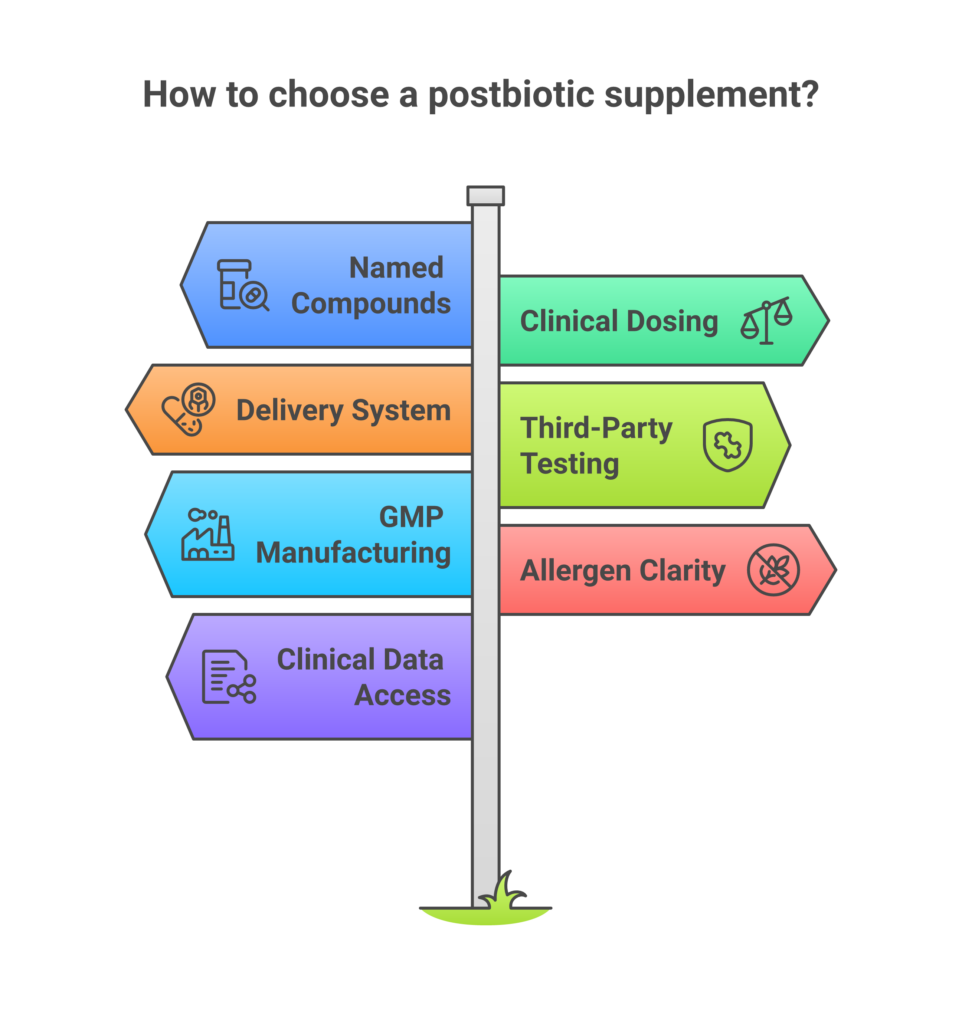
Before you buy any postbiotic supplement, run through this checklist:
- Does it name specific postbiotic compounds (not just “postbiotic blend”)?
- Is the dose per serving comparable to what was used in human studies of that compound, if any exist?
- Does it use a delivery system (tributyrin, delayed-release capsules, or enteric coating) designed for colon delivery?
- Does it carry at least one third-party testing certification (NSF, USP, or ConsumerLab)?
- Is it manufactured in a GMP-certified facility?
- Are allergen and dietary restriction statements clear?
- Does the company provide access to clinical data or certificates of analysis?
If a product misses several of these, keep looking. You can also browse our verified postbiotic supplement reviews for products that meet these standards, or check our broader gut health product reviews for related options.
Gut health is not something you fix once and forget. It requires consistent support, and the right postbiotic supplement can be a strong part of that routine. If you are exploring other supplement categories, our guide on what to look for in a nerve supplement follows a similar evaluation framework.
Further Reading from Consumer Health Guide
If you want to go deeper, our guide to Emma Relief ingredients reviewed covers what most product pages skip. For readers comparing options, see our breakdown of bloating remedies that work.