

Reviewed by Jonathan Bailor, NYT bestselling author, wellness researcher, and founder of SANE Solution. Updated March 2026. Part of the Consumer Health Guide research library.
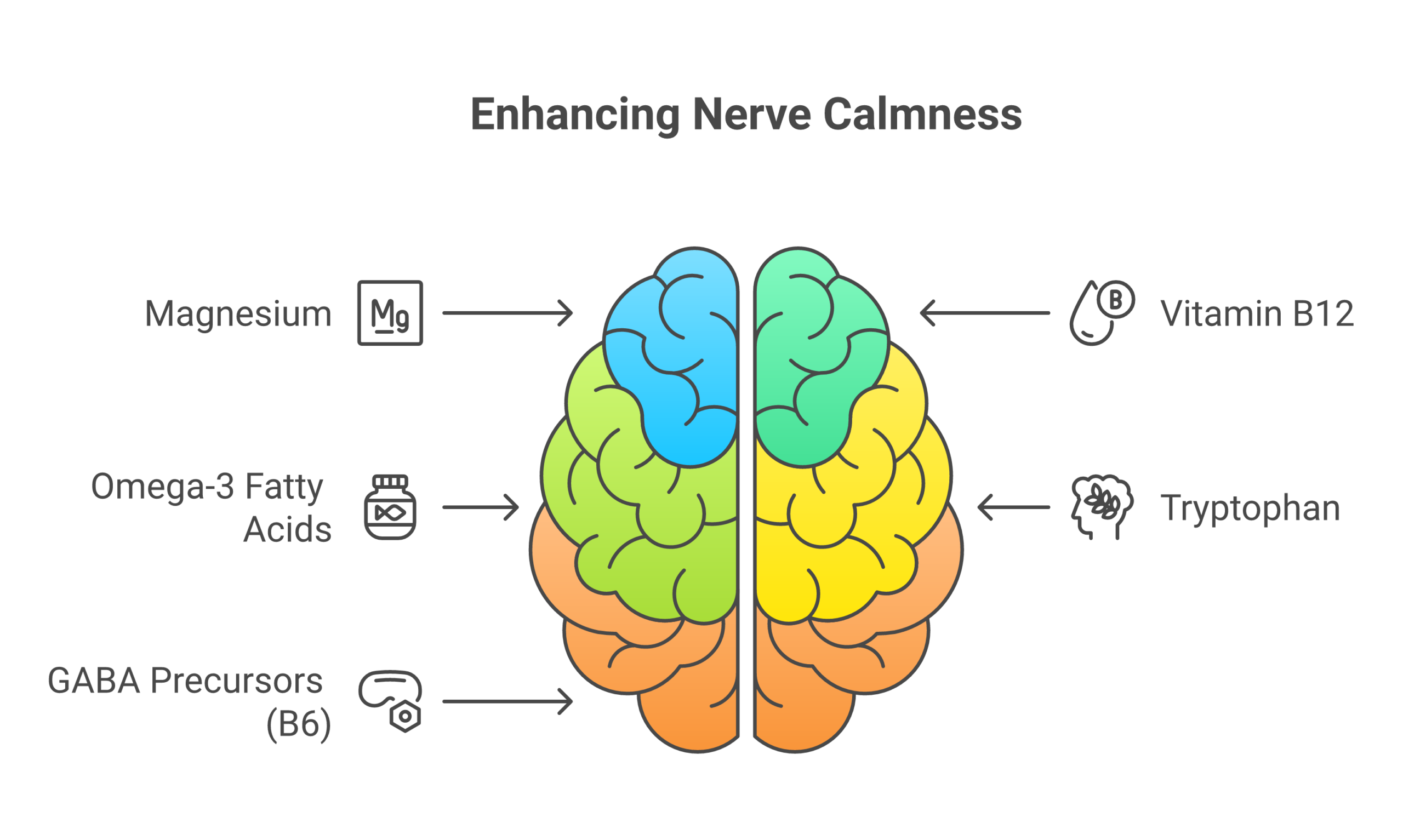
The best foods for overactive nerves are those rich in magnesium, B vitamins, omega-3 fatty acids, and calming amino acids like tryptophan and GABA precursors. Spinach, salmon, almonds, avocados, eggs, and tart cherry juice are among the most effective. These foods work by regulating neurotransmitter balance, reducing neuroinflammation, and rebuilding the myelin sheath that insulates nerve fibers. (see nerve health research) (see peripheral neuropathy)
That’s the short answer. But if your nerves feel constantly fired up (tingling, muscle twitching, anxiety, heightened pain sensitivity, restless legs, or that “wired but tired” feeling), you need more than a grocery list. You need to understand which nutrients your nervous system is probably missing and how to get enough of them from food before turning to supplements.
About 50% of Americans don’t get adequate magnesium from their diets alone, according to NIH estimates. B12 deficiency affects nearly 40% of the population at subclinical levels, per Tufts University research. When these nutrients run low, nerves lose their ability to properly regulate signaling, and the result is a nervous system stuck in overdrive.
What Foods Calm Overactive Nerves?
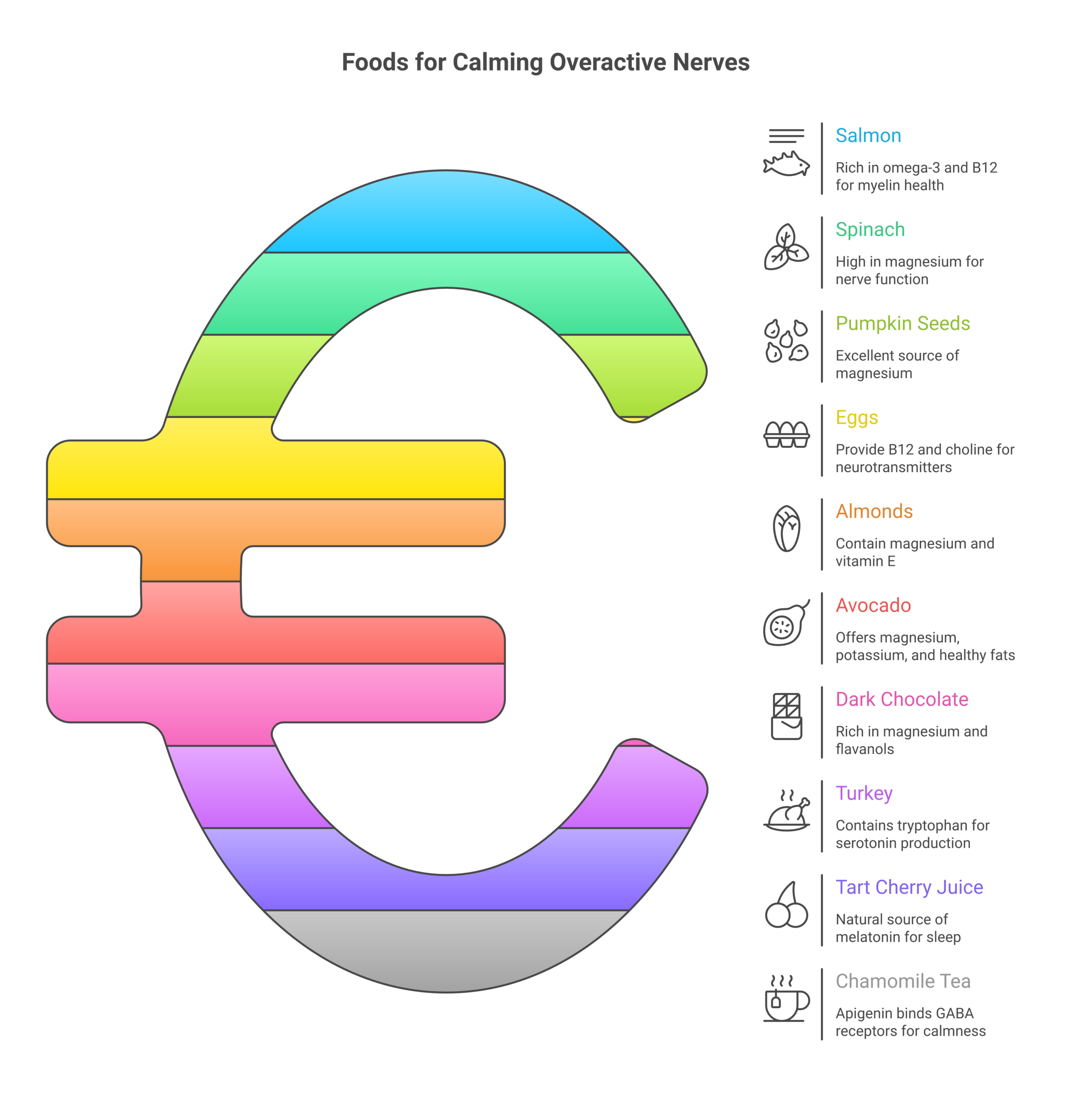
Foods that calm overactive nerves fall into five categories based on how they affect nerve signaling. I’ll cover each with the specific foods, the mechanism, and how much you need.
Magnesium-Rich Foods: The Nerve Relaxation Mineral
Magnesium blocks NMDA receptors, which are excitatory receptors that fire nerve signals. When magnesium is low, those receptors become overactive, and nerves fire too easily. Think of magnesium as the brake pedal for your nervous system.
A 2017 review in Nutrients analyzed 18 studies and concluded that magnesium supplementation reduced subjective measures of anxiety in mildly anxious individuals and those with premenstrual symptoms. The effect was most pronounced in people who were magnesium-deficient to begin with.
Best food sources:
- Pumpkin seeds: 150 mg per ounce (37% daily value). The single most magnesium-dense common food. Toss a handful on salads or eat them as a snack.
- Spinach (cooked): 157 mg per cup (39% DV). Other leafy greens like Swiss chard (150 mg/cup) and kale work too, but spinach leads.
- Dark chocolate (70%+ cacao): 64 mg per ounce. Also provides flavanols that cross the blood-brain barrier and support cognitive function. Limit to 1-2 squares daily.
- Avocados: 58 mg per medium fruit, plus potassium (which also regulates nerve firing) and healthy monounsaturated fats.
- Black beans: 120 mg per cup cooked. Chickpeas and lentils are similar. Legumes provide magnesium alongside fiber and protein.
- Almonds: 77 mg per ounce. Cashews (74 mg) and Brazil nuts (107 mg) are comparable.
Daily target: 310-420 mg (women/men). Most Americans get about 270 mg from food, so closing the gap with 2-3 extra servings of these foods daily can make a real difference.
B Vitamin Foods: Rebuilding Neurotransmitter Balance
Your nervous system depends on B vitamins to produce GABA (the calming neurotransmitter), serotonin (mood regulation), and myelin (nerve insulation). Three B vitamins matter most for overactive nerves:
Vitamin B12 is required for myelin synthesis. When B12 drops, myelin deteriorates and nerve signals misfire, causing tingling, numbness, and heightened sensitivity. The neurologically active form is methylcobalamin. If you’re over 50, take metformin, or eat plant-based, your B12 levels are likely lower than you think. For supplement guidance, see our full guide on what to look for in a nerve supplement.
- Eggs: One large egg provides 0.6 mcg B12 (25% DV) plus choline, which supports neurotransmitter production. Eat the yolk, that’s where the nutrients are.
- Salmon: 4.8 mcg B12 per 3-oz serving (200% DV), plus omega-3s for a dual nerve benefit.
- Sardines: 7.6 mcg per 3-oz can. Underrated and cheap.
- Grass-fed beef liver: 70.7 mcg per 3-oz serving (2,944% DV). The most concentrated food source of B12, though the taste isn’t for everyone.
Vitamin B6 is needed to produce GABA and serotonin, the neurotransmitters that calm nerve activity. But there’s a critical safety note: too much B6 (above 200 mg/day chronically) can actually cause neuropathy, the very condition you’re trying to prevent. Stick to food sources, which naturally provide safe amounts.
- Chickpeas: 1.1 mg per cup (65% DV)
- Bananas: 0.4 mg each (25% DV), plus potassium for nerve signal regulation
- Poultry (chicken, turkey): 0.5 mg per 3 oz
Folate (B9) supports neurotransmitter synthesis and DNA repair in nerve cells. Leafy greens are the richest source: one cup of cooked spinach provides 263 mcg (66% DV). Lentils deliver 358 mcg per cup.
Omega-3 Rich Foods: Anti-Inflammatory Nerve Protection
Chronic neuroinflammation makes nerves hypersensitive. Omega-3 fatty acids (EPA and DHA) directly reduce neuroinflammation by blocking pro-inflammatory cytokines and supporting the myelin sheath that insulates nerve fibers.
A 2018 meta-analysis by Su et al. in JAMA Network Open pooled data from 19 clinical trials (2,240 participants) and found that omega-3 supplementation significantly reduced anxiety symptoms, with EPA-dominant formulations at doses of 2,000 mg/day or higher showing the strongest effect (Su et al., 2018). For people with overactive, anxious nerves, this is one of the most actionable findings in the research.
- Salmon: 1,500-2,000 mg omega-3 per 3-oz serving. Wild-caught has slightly more than farmed.
- Mackerel: 2,600 mg per 3-oz serving. Highest omega-3 density of any common fish.
- Sardines: 1,400 mg per 3-oz can. Budget-friendly and shelf-stable.
- Ground flaxseed: 1,600 mg ALA per tablespoon. Plant-based alternative (ALA converts to EPA/DHA at about 5-10% efficiency).
- Walnuts: 2,500 mg ALA per ounce. Also provide vitamin E and polyphenols for antioxidant nerve protection.
Aim for at least two servings of fatty fish per week, or 1,000-2,000 mg combined EPA/DHA daily from food or supplements.
Tryptophan and GABA-Boosting Foods: Building Calm From the Inside
Tryptophan is an amino acid your body converts into serotonin (mood stabilizer) and then melatonin (sleep regulator). If your overactive nerves disrupt your sleep, which they often do, tryptophan-rich foods address both the nerve hyperactivity and the insomnia it causes.
- Turkey: 0.24 g tryptophan per 3-oz serving. Yes, the Thanksgiving drowsiness connection is real, though protein content matters more than a single amino acid.
- Pumpkin seeds: 0.16 g per ounce (plus they’re the magnesium champion listed above, so double benefit).
- Chicken, tofu, and cheese: All good tryptophan sources.
Pair tryptophan foods with complex carbohydrates (brown rice, oats, sweet potatoes) for better brain uptake. Carbohydrates trigger insulin release, which clears competing amino acids from the bloodstream and gives tryptophan easier access to the brain.
Anti-Inflammatory Spices and Drinks for Nerve Comfort
Turmeric (curcumin) reduces neuroinflammation through multiple pathways. A 2014 study in Current Biology by UC Irvine researchers identified compounds in related botanicals that reduce pain through dopamine D2 receptors, a pathway distinct from opioid mechanisms. Always combine turmeric with black pepper (piperine increases absorption by 2,000%).
Ginger contains gingerols and shogaols that reduce nerve-related pain and inflammation. A 2019 review in Food Science and Nutrition by Nikkhah Bodagh et al. confirmed its effectiveness across multiple clinical trials. Add fresh ginger to stir-fries, smoothies, or steep slices in hot water for tea.
Calming drinks for overactive nerves:
- Chamomile tea: Contains apigenin, which binds to GABA receptors and reduces nerve excitability. A 2016 RCT in Phytomedicine found that long-term chamomile use significantly reduced generalized anxiety symptoms.
- Tart cherry juice: Contains natural melatonin and anthocyanins. A 2018 study in the American Journal of Therapeutics found that tart cherry juice increased sleep time by 84 minutes in adults with insomnia. For nerve-related sleep disruption, this is a practical food-based intervention.
- Green tea: Contains L-theanine, an amino acid that promotes alpha brain waves (the relaxed-but-alert state) without drowsiness. L-theanine increases GABA, serotonin, and dopamine production. Two to three cups daily provides about 50-100 mg of L-theanine.
The Gut-Nerve Connection: Fermented Foods
Your gut and nervous system communicate directly through the vagus nerve, and 95% of your body’s serotonin is produced in the gut. When gut bacteria are out of balance, nerve signaling gets disrupted. This is the gut-brain-nerve axis, and it’s why digestive problems and nerve issues so often appear together.
Fermented foods like yogurt, kefir, kimchi, sauerkraut, and miso introduce beneficial bacteria that support serotonin production and reduce systemic inflammation. A 2021 Stanford University study found that six servings of fermented foods daily for 10 weeks reduced 19 inflammatory proteins and increased microbiome diversity. For a deeper look at how food supports gut health (which in turn supports nerve health), see our guide on the best foods for gut health.
Foods That Make Overactive Nerves Worse
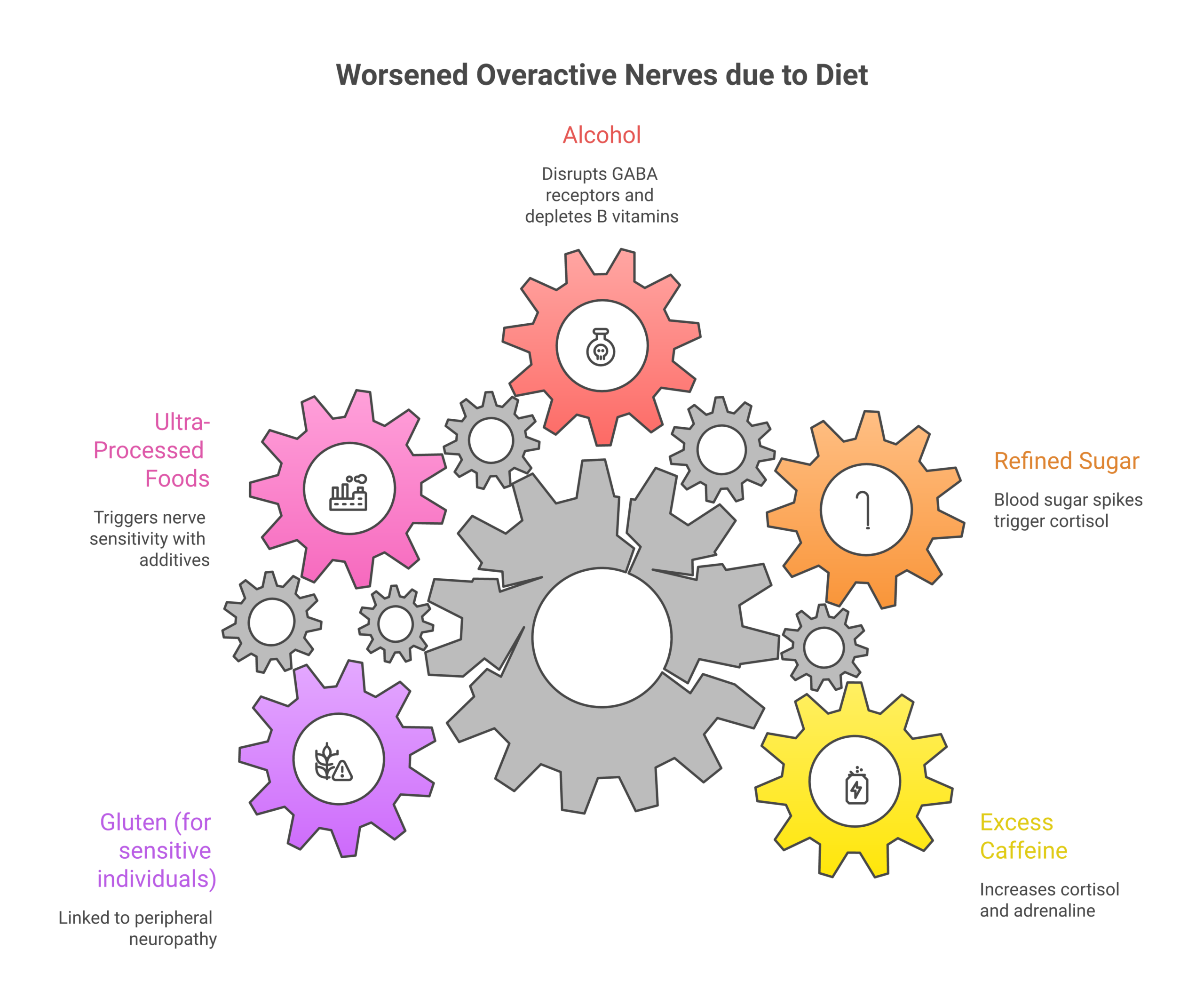
Equally important is reducing foods that overstimulate your nervous system:
- Excess caffeine: Blocks adenosine receptors (the “drowsiness” signal), increases cortisol and adrenaline. If your nerves are already overactive, caffeine pours gasoline on the fire. Limit to 1-2 cups of coffee before noon, or switch to green tea for the L-theanine calming effect.
- Refined sugar and simple carbs: Cause blood sugar spikes and crashes that trigger cortisol release and nerve hyperactivity. Replace white bread, pastries, and sugary drinks with whole grains, legumes, and fruit.
- Alcohol: While it feels calming initially, alcohol disrupts GABA receptor function and depletes B vitamins that your nerves need. Even moderate drinking can worsen nerve-related sleep disruption. Chronic heavy drinking directly damages peripheral nerves.
- Ultra-processed foods: Contain additives (MSG, artificial sweeteners, artificial colors) that can trigger nerve sensitivity in some people. The preservatives and emulsifiers also disrupt gut bacteria, which feeds back into nerve dysregulation through the gut-brain axis.
- Gluten (for sensitive individuals): Gluten sensitivity has been linked to peripheral neuropathy in research published in Muscle and Nerve. If you notice nerve symptoms worsening after wheat-heavy meals, consider a 4-week elimination trial and discuss celiac testing with your doctor.
A Sample Day for Calmer Nerves
I built this meal plan for a client who described her nerves as “a car alarm that won’t shut off.” She was skeptical that food could make a difference. After three weeks of eating roughly like this, she reported noticeably less muscle twitching and better sleep. That’s one person’s experience, not a clinical trial, but it tracks with what the research predicts.
- Breakfast: Scrambled eggs with spinach and half an avocado. Green tea instead of coffee (she was a 4-cup-a-day coffee drinker, so this was the hardest change).
- Mid-morning: Pumpkin seeds and almonds. She kept a jar on her desk.
- Lunch: Salmon over leafy greens with chickpeas, walnuts, and olive oil. Boring? Maybe. But it covers B12, omega-3s, magnesium, and folate in one plate.
- Afternoon: Chamomile tea and a banana with almond butter.
- Dinner: Turkey stir-fry with broccoli, sweet potato, turmeric, ginger, and brown rice. Sauerkraut on the side for the gut-nerve connection.
- Before bed: 8 oz tart cherry juice and a square of dark chocolate.
Count the nerve nutrients in that day: magnesium from spinach, pumpkin seeds, almonds, and dark chocolate. B12 from eggs and salmon. Omega-3s from salmon and walnuts. Tryptophan from turkey and pumpkin seeds. GABA support from chamomile. Natural melatonin from tart cherry. Anti-inflammatory curcumin from turmeric. And fermented sauerkraut feeding the gut bacteria that produce 95% of your serotonin. No single food does everything. But stack them like this and the effect is real.
How Quickly Can Food Changes Calm Your Nerves?
Some effects are fast. Chamomile tea and tart cherry juice can improve sleep quality within days. Magnesium-rich foods may reduce muscle twitching and tension within 1-2 weeks if you were deficient.
Deeper changes take longer. Rebuilding neurotransmitter balance through consistent B vitamin intake typically takes 3-4 weeks. Omega-3s need 6-8 weeks of regular consumption to meaningfully reduce neuroinflammation. Gut microbiome shifts from fermented foods become measurable after 2-4 weeks.
If dietary changes alone aren’t enough, targeted supplementation can close the gap faster. For guidance on what to look for, see our article on nerve supplement safety, and compare the top-rated nerve support supplements.
Browse all of our nerve supplements reviews and guides for more research-backed recommendations.
For detailed product comparisons, see our nerve health supplement reviews.
You may also want to read our guide on eye vitamins.
Frequently Asked Questions
What is the number one food for nerve pain?
Fatty fish (salmon, mackerel, sardines) is the most consistently supported food for nerve pain. It provides omega-3 fatty acids that reduce neuroinflammation, plus B12 for myelin maintenance. Two servings per week is the standard recommendation. If you eat only one nerve-healing food consistently, make it fatty fish.
Is banana good for nerves?
Yes. Bananas provide vitamin B6 (needed for GABA and serotonin production), potassium (regulates nerve electrical signaling), and tryptophan (converts to serotonin). They’re not the most potent nerve food, but they’re convenient, affordable, and provide a useful combination of nerve-supporting nutrients.
What drink is good for nerves?
Chamomile tea (contains apigenin that binds GABA receptors), tart cherry juice (natural melatonin, added 84 minutes of sleep in a clinical trial), and green tea (L-theanine promotes calm alertness). Avoid excessive caffeine and alcohol, both of which worsen nerve hyperactivity.
Can diet reverse nerve damage?
Diet can help, but “reverse” depends on the type and severity. Nerve damage from B12 deficiency is often reversible once B12 is restored, especially if caught early. Diabetic neuropathy can be stabilized and improved through blood sugar control combined with anti-inflammatory nutrition. Severe structural nerve damage is harder to reverse with diet alone, but the right foods can reduce pain, slow progression, and support whatever regeneration is possible.
Does magnesium help nerve pain?
Magnesium reduces nerve pain by blocking NMDA receptors (excitatory nerve receptors) and regulating calcium flow into nerve cells. A 2017 review in Nutrients found that magnesium supplementation reduced anxiety symptoms in deficient individuals. About 50% of Americans are magnesium-deficient, so restoring adequate levels through food (spinach, pumpkin seeds, almonds) or supplements often reduces both nerve pain and anxiety.
What foods make neuropathy worse?
Refined sugar (causes blood sugar spikes that damage nerves), excess alcohol (directly toxic to peripheral nerves and depletes B vitamins), ultra-processed foods (contain additives that trigger nerve sensitivity), and excess caffeine (increases cortisol and nerve excitability). For some people, gluten also worsens nerve symptoms, though this affects a smaller percentage of the population.