
Medically reviewed content. This article is for informational purposes only and does not replace professional medical advice. Always consult your healthcare provider before starting any new supplement or laxative regimen. According to laxative safety guidelines, this remains an active area of clinical research.
If you’ve been searching for a good laxative that won’t leave you cramping on the bathroom floor, you’re not alone. About 16% of adults in the U.S. deal with chronic constipation, according to the National Institute of Diabetes and Digestive and Kidney Diseases (NIDDK, 2023). That number jumps to roughly 33% for adults over 60. The good news? You don’t need harsh chemicals to get things moving. Natural laxatives, from fiber-rich foods to time-tested herbs, can provide safe, gentle relief without the side effects that come with overusing stimulant products. According to gut microbiome research, this remains an active area of clinical research.
I’ve spent years reviewing gut health research and talking with gastroenterologists about what actually works. In this guide, I’ll walk you through every major type of laxative, highlight the best natural options backed by clinical evidence, and share specific advice for older adults who need gentler solutions. You’ll also find a comparison table, dosage guidance, and answers to the most common questions I hear.
Looking for supplement options? Check out our verified gut health supplement reviews for products we’ve tested and rated.



Understanding Laxative Types: A Quick Breakdown
Before picking a laxative, it helps to know what you’re working with. Not all laxatives function the same way, and choosing the wrong type can make constipation worse or cause dependency. Here’s a clear breakdown of the five main categories.
Bulk-Forming Laxatives
These are the gentlest option available. Bulk-forming laxatives absorb water in the intestines and create larger, softer stools that are easier to pass. Psyllium husk (the active ingredient in Metamucil) and methylcellulose (Citrucel) are the most common examples. A 2020 systematic review in Alimentary Pharmacology & Therapeutics confirmed that psyllium is effective for chronic constipation and well-tolerated for long-term daily use. They typically take 12 to 72 hours to work.
Osmotic Laxatives
Osmotic laxatives pull water into the colon from surrounding tissues. This softens stool and stimulates bowel movements. Polyethylene glycol (MiraLAX), magnesium citrate, and lactulose all fall into this group. The American Gastroenterological Association (AGA, 2023) recommends polyethylene glycol as a first-line treatment for chronic constipation in adults. Results usually appear within 1 to 3 days.
Stimulant Laxatives
Stimulant laxatives trigger contractions in the intestinal muscles to push stool through faster. Senna and bisacodyl (Dulcolax) are the most widely used. They work within 6 to 12 hours but carry a higher risk of cramping, electrolyte imbalance, and dependency with prolonged use. The Mayo Clinic (2024) advises limiting stimulant laxatives to occasional use only.
Stool Softeners
Stool softeners like docusate sodium (Colace) add moisture to stool so it passes more easily. They’re often recommended after surgery or for people who should avoid straining. However, a 2023 review in the Journal of General Internal Medicine found limited evidence that docusate is more effective than placebo for chronic constipation. They work best for short-term, situational use.
Lubricant Laxatives
Mineral oil coats stool with a slippery layer, helping it slide through the intestines. It works within 6 to 8 hours but isn’t recommended for regular use. Long-term mineral oil use can interfere with absorption of fat-soluble vitamins (A, D, E, and K), according to the Cleveland Clinic (2024).
Laxative Type Comparison Table
| Type | How It Works | Time to Effect | Safety for Daily Use | Example |
|---|---|---|---|---|
| Bulk-Forming | Absorbs water, adds stool bulk | 12-72 hours | Yes, generally safe | Psyllium, Methylcellulose |
| Osmotic | Draws water into colon | 1-3 days | Yes, with doctor guidance | MiraLAX, Magnesium citrate |
| Stimulant | Triggers intestinal contractions | 6-12 hours | No, occasional use only | Senna, Bisacodyl |
| Stool Softener | Adds moisture to stool | 1-3 days | Short-term preferred | Docusate sodium |
| Lubricant | Coats stool for easier passage | 6-8 hours | No, short-term only | Mineral oil |
Best Natural Laxatives Backed by Research
Nature offers several effective options for constipation relief. Here are the ones with the strongest clinical support.
1. Psyllium Husk (Fiber Powerhouse)
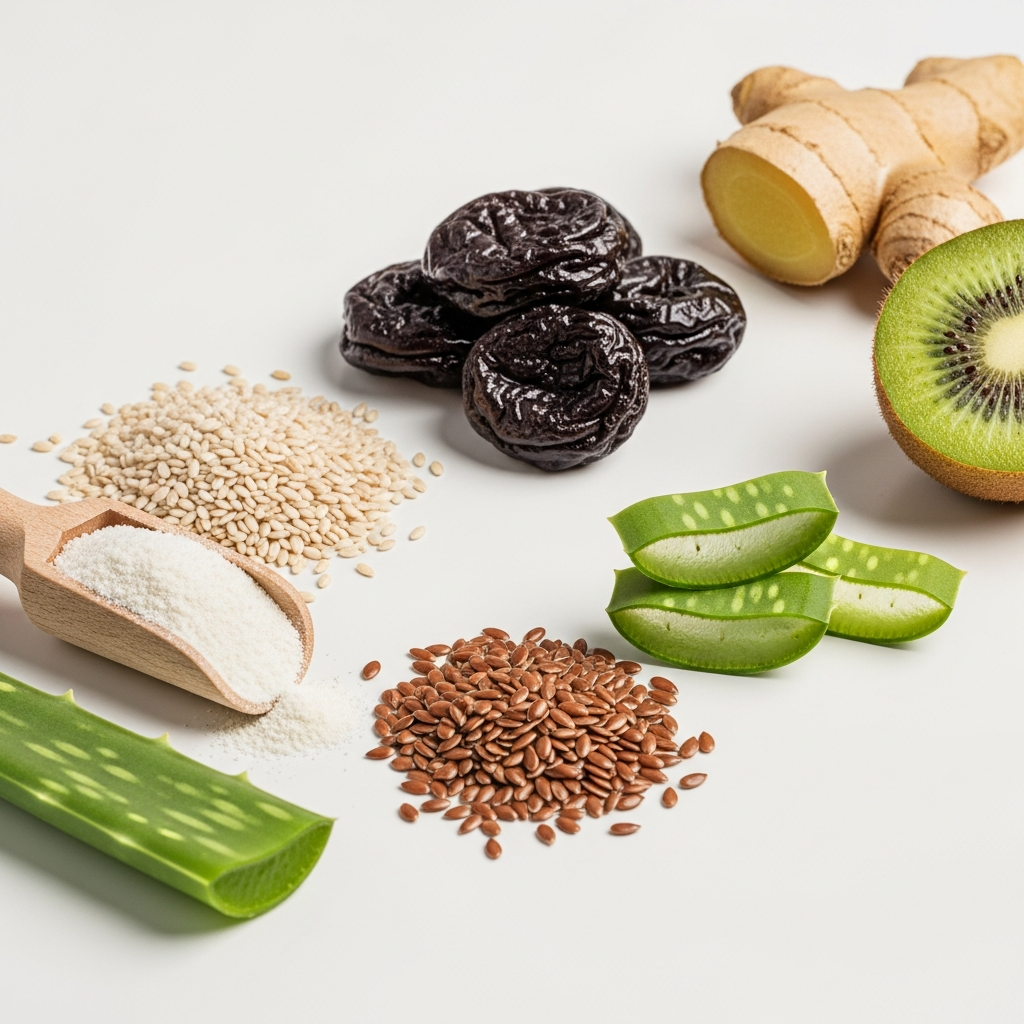
Psyllium is a soluble fiber derived from the seeds of Plantago ovata. It absorbs water in the gut and forms a gel-like mass that makes stool softer and bulkier. A 2019 meta-analysis in the British Journal of Clinical Pharmacology found that psyllium significantly increased stool frequency and improved stool consistency compared to placebo. The typical dose is 5 to 10 grams per day, mixed with at least 8 ounces of water. Start with a lower dose and increase gradually to avoid bloating.
2. Magnesium (Osmotic Relief)
Magnesium citrate and magnesium oxide both act as osmotic laxatives by drawing water into the intestines. A 2019 study published in Nutrients found that magnesium supplementation improved stool frequency and consistency in adults with mild to moderate constipation. The typical dose for constipation relief is 200 to 400 mg of magnesium citrate. People with kidney disease should consult a doctor before using magnesium, as the kidneys regulate magnesium excretion (National Institutes of Health, 2024).
3. Prunes and Prune Juice
Prunes aren’t just an old folk remedy. They actually work. A randomized controlled trial published in Alimentary Pharmacology & Therapeutics (2011) found that prunes were more effective than psyllium for improving stool frequency and consistency. Prunes contain sorbitol (a natural sugar alcohol that draws water into the colon), fiber, and polyphenols that stimulate beneficial gut bacteria. Eating 5 to 10 prunes per day or drinking 4 to 8 ounces of prune juice is the standard recommendation.
4. Senna Leaf
Senna is an herbal stimulant laxative that contains compounds called sennosides. These irritate the bowel lining to trigger contractions. Senna is approved by the FDA as an over-the-counter laxative and typically works within 6 to 12 hours. A 2018 review in the Journal of Ethnopharmacology confirmed senna’s effectiveness but emphasized it should be limited to short-term use (no more than 1 to 2 weeks). Long-term senna use can lead to electrolyte depletion and potential colon damage.
5. Flaxseed
Ground flaxseed contains both soluble and insoluble fiber, making it a dual-action natural laxative. A 2020 randomized controlled trial in the Journal of Functional Foods found that 10 grams of ground flaxseed per day significantly improved constipation symptoms over 12 weeks. Flaxseed also provides omega-3 fatty acids and lignans with anti-inflammatory properties. Always grind flaxseed before eating it, as whole seeds can pass through the digestive tract undigested.
6. Aloe Vera
Aloe vera latex (the yellow substance found just under the plant’s skin) contains anthraquinones, which have a stimulant laxative effect. A 2018 systematic review in the Journal of Neurogastroenterology and Motility found that aloe vera improved bowel movement frequency and stool consistency. However, aloe vera latex is potent and should be used cautiously. The inner gel (the clear part) is much milder and may help with hydration and gut soothing without the stimulant effect.
7. Ginger
Ginger has been used in traditional medicine for digestive issues for centuries. Research published in the European Journal of Gastroenterology & Hepatology (2019) found that ginger accelerated gastric emptying and improved intestinal motility. While ginger isn’t a direct laxative, it supports overall digestive function and may help with constipation linked to slow motility. A cup of ginger tea or 250 mg of ginger extract taken before meals is a common approach.
8. Kiwifruit
Kiwifruit has gained serious attention from researchers. A 2023 study in the American Journal of Gastroenterology found that eating two kiwifruits per day improved constipation symptoms and was as effective as prunes or psyllium in increasing bowel movement frequency. Kiwifruit contains actinidin (a natural enzyme that aids protein digestion) along with fiber and water. It’s one of the most pleasant-tasting natural laxatives you can find.
What Makes You Poop Instantly? Fast-Acting Options
When you need relief fast, some options work quicker than others. Here’s what the evidence says about rapid-acting solutions.
Coffee: Caffeinated coffee can stimulate colonic motor activity within minutes. A study in the European Journal of Gastroenterology & Hepatology (1998) found that coffee induced a “gastrocolic response” in about 29% of participants within 20 minutes. It’s not technically a laxative, but it’s one of the fastest natural triggers for a bowel movement.
Warm water with lemon: Drinking warm water first thing in the morning can stimulate peristalsis (the wave-like muscle contractions that move food through the digestive tract). Adding lemon provides a mild amount of citric acid, which may further stimulate digestion.
Magnesium citrate liquid: The liquid form of magnesium citrate works faster than tablets, often producing results within 30 minutes to 6 hours. It’s available over the counter and is commonly used for bowel prep before medical procedures.
Glycerin suppositories: These work locally in the rectum and typically produce a bowel movement within 15 to 60 minutes. They’re considered safe for occasional use and don’t carry systemic side effects.
Gummy Laxatives: Are They Worth It?
Gummy laxatives have become popular because they’re easier to take than powders or capsules. Most gummy laxative products contain fiber (usually in the form of chicory root fiber or inulin) or a combination of fiber and magnesium. Brands like Olly, SmartyPants, and Vitafusion offer fiber gummies marketed for digestive regularity.
Here’s the catch: most gummy fiber supplements contain only 3 to 5 grams of fiber per serving. The daily fiber recommendation from the Academy of Nutrition and Dietetics (2024) is 25 grams for women and 38 grams for men. So gummies alone won’t get you there. They can be a useful supplement to a high-fiber diet, but they shouldn’t be your only strategy.
If you prefer gummies, look for ones that contain prebiotic fiber (like inulin or chicory root) rather than just added sugar. And check the sugar content. Some gummy products contain 3 to 4 grams of sugar per serving, which adds up fast.
Gentle Laxatives for Elderly: Special Considerations
Constipation is one of the most common digestive complaints among older adults. A 2021 systematic review in BMC Geriatrics found that up to 40% of community-dwelling elderly adults and over 50% of those in nursing homes experience chronic constipation. Several factors contribute to this: reduced physical activity, medication side effects (especially opioids, calcium channel blockers, and anticholinergics), lower fluid intake, and age-related slowing of colonic transit.
For older adults, the safest approach follows this order, as recommended by the American Geriatrics Society (2023):
- Start with lifestyle changes: Increase water intake to at least 6 to 8 glasses daily. Add fiber-rich foods gradually (prunes, kiwifruit, oats, vegetables). Encourage daily walking or gentle movement.
- Add a bulk-forming laxative: Psyllium or methylcellulose, taken with plenty of water. These are the safest long-term option for seniors.
- Try an osmotic laxative: Polyethylene glycol (MiraLAX) is well-studied in older populations. A 2015 review in the Canadian Family Physician confirmed its safety and effectiveness for elderly patients with chronic constipation.
- Use stimulant laxatives only as needed: Senna or bisacodyl can be used occasionally (up to 2 to 3 times per week) when other methods haven’t worked. Avoid daily use.
Important warnings for seniors:
- Avoid sodium phosphate enemas (like Fleet enemas). They can cause dangerous electrolyte shifts in older adults, especially those with kidney issues. The FDA issued a safety warning about these products in 2014.
- Monitor for dehydration when using osmotic laxatives. Older adults are already at higher risk for dehydration.
- Review all medications with a pharmacist. Many common prescriptions cause constipation as a side effect, and adjusting those medications may be more effective than adding a laxative.
Natural Herbs for Constipation: A Closer Look
Herbal remedies can play a role in constipation management, but not all herbs are created equal. Some are gentle enough for regular use, while others should be treated with the same caution as pharmaceutical stimulant laxatives.
Gentle Herbs (Suitable for Regular Use)
- Dandelion root: Acts as a mild digestive stimulant and promotes bile production, which can improve bowel regularity. A 2016 review in the International Journal of Molecular Sciences documented dandelion’s prebiotic effects on gut bacteria.
- Marshmallow root: Contains mucilage that soothes the intestinal lining and may help soften stool. It’s commonly used in traditional herbal medicine for digestive support.
- Slippery elm: Another mucilage-rich herb that coats the digestive tract and adds bulk to stool. The University of Maryland Medical Center has listed it as a traditional remedy for constipation and digestive irritation.
Stronger Herbs (Short-Term Use Only)
- Senna leaf: Effective but should be limited to 1 to 2 weeks of use. See the detailed section above.
- Cascara sagrada: Contains anthraquinones similar to senna. The FDA removed it from the approved OTC laxative list in 2002 due to insufficient safety data for long-term use.
- Rhubarb root: Used in Traditional Chinese Medicine for centuries. Contains emodin and other anthraquinones. Effective for short-term use but not recommended long-term.
When to See a Doctor About Constipation
Most constipation responds well to dietary changes and natural laxatives. But some situations call for medical evaluation. See your doctor if you experience:
- Constipation lasting more than 3 weeks despite home treatment
- Blood in your stool or on toilet paper
- Unexplained weight loss alongside constipation
- Severe abdominal pain or bloating
- A sudden change in bowel habits after age 50 (especially if you haven’t had a recent colonoscopy)
- Constipation alternating with diarrhea
- Inability to pass gas along with constipation (this could signal a bowel obstruction, a medical emergency)
These symptoms could indicate conditions like colorectal cancer, thyroid disorders, or bowel obstruction, all of which require professional diagnosis and treatment. The American Cancer Society (2024) recommends that adults at average risk begin colorectal cancer screening at age 45.
Building a Long-Term Gut Health Strategy
Relying on laxatives alone isn’t a sustainable solution. The best approach combines dietary changes, hydration, movement, and targeted supplementation when needed.
Eat more fiber-rich foods. Aim for 25 to 38 grams per day from whole food sources: fruits, vegetables, legumes, and whole grains. A 2021 umbrella review in The Lancet found that higher dietary fiber intake was associated with a 15 to 30% reduction in all-cause mortality and cardiovascular disease, in addition to improved bowel function.
Stay hydrated. Fiber works by absorbing water. Without adequate fluid intake (at least 8 cups per day for most adults), fiber can actually worsen constipation. Water, herbal tea, and broth all count.
Move your body. Physical activity stimulates intestinal motility. Even a 20-minute daily walk can make a measurable difference, according to a 2019 meta-analysis in the Scandinavian Journal of Gastroenterology.
Consider postbiotics and butyrate. Emerging research suggests that postbiotics and butyrate may be more effective than probiotics for long-term gut health. Butyrate is a short-chain fatty acid that fuels colon cells and supports healthy bowel function. If you’re interested in the science, you can also read about what to look for in a superior postbiotic supplement.
For a broader view of dietary strategies, our guide on the best foods to eat for better gut health covers the evidence in detail. And if you’re researching specific supplement forms, here’s what the research says about tributyrin and CoreBiome butyrate.
You may also want to read our guide on eye vitamins.
Frequently Asked Questions
What is the safest laxative to use daily?
Bulk-forming laxatives like psyllium husk are the safest option for daily use, according to the American Gastroenterological Association (2023). They work by absorbing water and adding bulk to stool without stimulating the intestinal muscles. Osmotic laxatives like polyethylene glycol (MiraLAX) are also considered safe for daily use under medical supervision. Stimulant laxatives (senna, bisacodyl) should not be used daily due to the risk of dependency and electrolyte imbalance.
Are natural laxatives safer than over-the-counter options?
Not automatically. “Natural” doesn’t always mean safer. Senna, for example, is a natural herb but acts as a stimulant laxative with the same risks as pharmaceutical versions. The safest natural options are fiber-based (psyllium, flaxseed, prunes, kiwifruit) because they work with your body’s existing digestive processes rather than forcing a response. Always check with your doctor before combining any laxative with prescription medications.
How long does it take for natural laxatives to work?
It depends on the type. Fiber-based laxatives like psyllium typically take 12 to 72 hours. Osmotic options like magnesium citrate may work within 30 minutes to 6 hours. Stimulant herbs like senna usually produce results within 6 to 12 hours. Coffee can trigger a bowel movement in as little as 20 minutes for some people. Consistency matters more than speed: regular daily fiber intake produces the most reliable long-term results.
Can you become dependent on natural laxatives?
Fiber-based and osmotic laxatives do not cause dependency when used as directed. Stimulant laxatives (including herbal ones like senna and cascara sagrada) can lead to dependency if used for more than 1 to 2 weeks. The colon can become reliant on the stimulation to produce bowel movements, a condition sometimes called “lazy bowel.” The Mayo Clinic (2024) recommends using stimulant laxatives only as a last resort and for the shortest time possible.
What is the best laxative for elderly adults?
The American Geriatrics Society recommends starting with dietary fiber increases and adequate hydration. If that’s not enough, polyethylene glycol (MiraLAX) is the most commonly recommended osmotic laxative for seniors due to its mild side effect profile and strong safety data. Bulk-forming laxatives are also safe, but elderly adults must drink plenty of water with them to prevent worsening constipation. Avoid sodium phosphate enemas in older adults, as they carry a risk of serious electrolyte disturbances.
Is there a laxative that works within minutes?
No oral laxative works within minutes. The fastest oral option is liquid magnesium citrate, which can work in 30 minutes to 6 hours. Glycerin suppositories typically work within 15 to 60 minutes because they act locally in the rectum. Coffee can trigger a bowel movement in about 20 minutes for some people, though it’s not technically a laxative. If you haven’t had a bowel movement in several days and are in severe discomfort, contact your doctor rather than relying on fast-acting products.
Should I take a probiotic or a laxative for constipation?
They serve different purposes. A laxative provides short-term relief for current constipation. A probiotic aims to improve overall gut bacteria balance, which may help prevent constipation over time. A 2019 meta-analysis in the American Journal of Clinical Nutrition found that certain probiotic strains (particularly Bifidobacterium lactis) modestly improved bowel movement frequency. For the best results, consider combining a fiber-based laxative for immediate relief with a probiotic or quality gut health supplement for ongoing support.
For more research-backed guidance on gut health, visit our gut health supplement reviews section or learn more about our review methodology.
Have questions about which natural laxative is right for your situation? Our team at Consumer Health Guide is here to help you make informed, evidence-based decisions about your digestive health.