
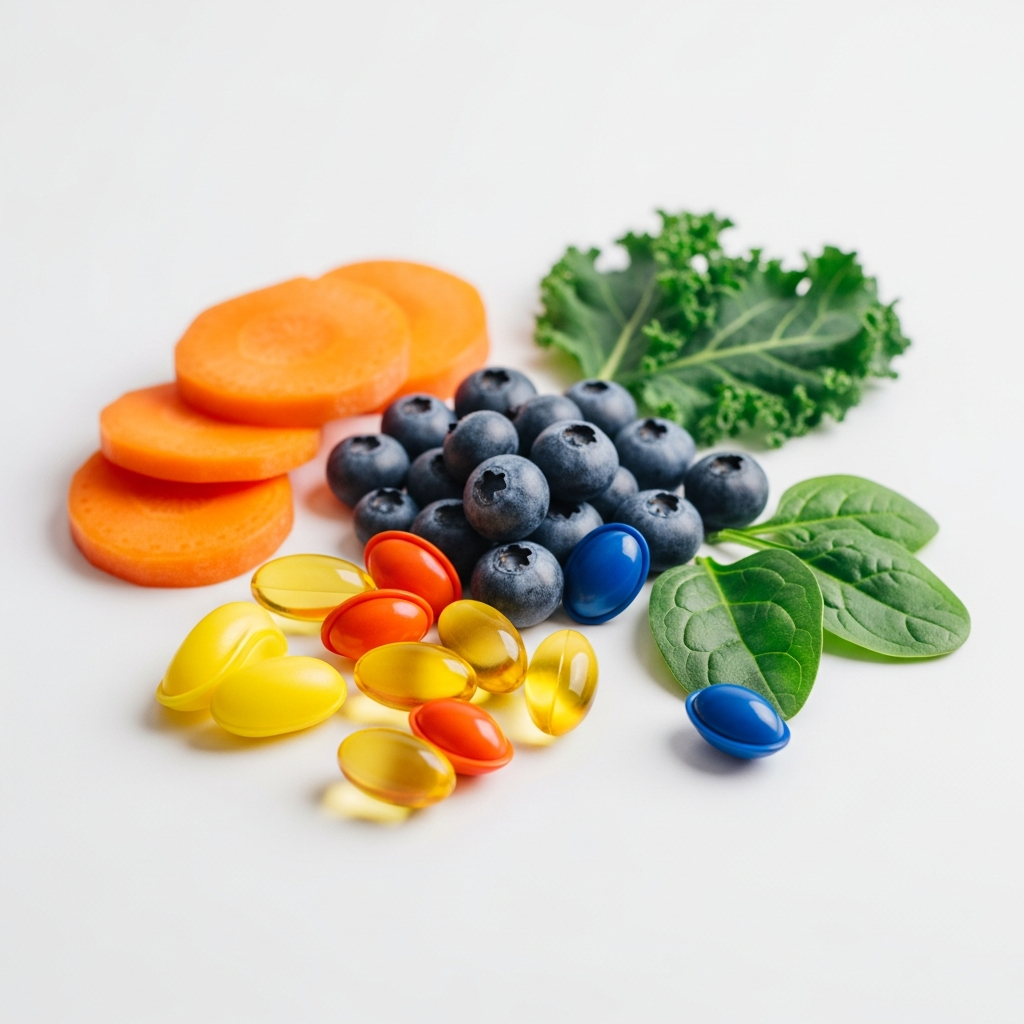
The best vitamins and supplements for eye health include lutein, zeaxanthin, omega-3 fatty acids, vitamin C, vitamin E, zinc, and vitamin A. In people who already have intermediate age-related macular degeneration (AMD), or late AMD in one eye, a specific high-dose formula tested by the National Eye Institute can slow progression to late AMD. These supplements do not prevent AMD from developing. The best eye supplements combine several of these ingredients, often based on the AREDS2 formula studied by the National Eye Institute. Below, we break down what works, what the research actually says, and how to choose the right supplement for your eyes.
Medically reviewed by Matthew Olesiak, MD, on September 24, 2026.
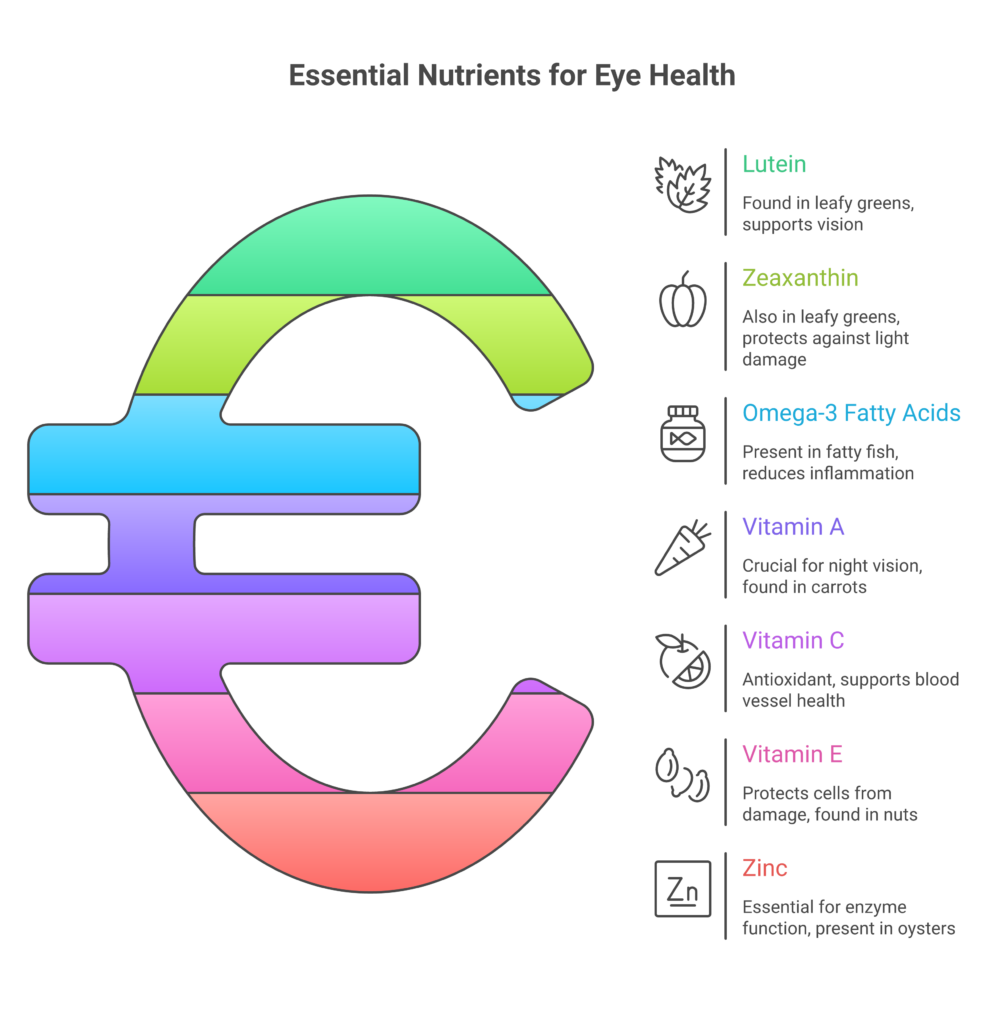
Key Nutrients for Eye Health
Your eyes depend on a specific set of vitamins, minerals, and antioxidants to function well and resist damage over time. Here are the seven most studied nutrients for vision support.
Lutein and Zeaxanthin
Lutein and zeaxanthin are carotenoid pigments that concentrate in the macula, the part of the retina responsible for sharp central vision. They act as a natural blue-light filter and protect retinal cells from oxidative stress. A 2021 systematic review and meta-analysis published in Advances in Nutrition found that supplementing with 10-20 mg/day of lutein and zeaxanthin increased macular pigment optical density (MPOD) by an average of 0.04 to 0.11 units over 3-12 months, with higher doses producing greater increases (Wilson et al., 2021, Advances in Nutrition). The AREDS2 trial used 10 mg lutein and 2 mg zeaxanthin daily, a 5:1 ratio that has become the standard in clinical research.
A 2025 randomized, double-blind, placebo-controlled study published in Frontiers in Nutrition found that lutein and zeaxanthin supplementation improved tear film break-up time, Schirmer tear test scores, and photo-stress recovery time in adults with high screen exposure over 6 months (Lopresti and Smith, 2025, Frontiers in Nutrition).
Omega-3 Fatty Acids (EPA and DHA)
Omega-3 fatty acids, specifically EPA and DHA, are found at high concentrations in retinal cell membranes. They support tear production and reduce inflammation on the eye surface. Research on omega-3s and dry eye has produced mixed results. A 2018 trial published in the New England Journal of Medicine (the DREAM study) tested 3,000 mg/day of combined EPA and DHA in 535 patients with moderate dry eye symptoms. After 12 months, researchers found no statistically significant difference between the omega-3 group and placebo for symptom scores (Asbell et al., 2018, NEJM).
However, a 2023 systematic review in the Journal of Clinical Medicine that pooled data from 19 randomized controlled trials (4,246 patients) found that omega-3 supplementation did improve clinical signs of dry eye, including tear film stability and Schirmer test values, especially when used alongside other treatments like artificial tears (Wang and Ko, 2023). The benefit appears stronger when omega-3s are combined with standard dry eye care rather than used alone.
Vitamin A
Vitamin A is a building block of rhodopsin, the light-sensitive protein in your rod cells that enables vision in low light. Severe vitamin A deficiency causes night blindness and, in extreme cases, corneal damage. According to the American Academy of Ophthalmology, most people in developed countries get enough vitamin A from diet alone. Supplementation is typically only necessary for people with documented deficiency or malabsorption conditions. Good dietary sources include sweet potatoes, carrots, spinach, and liver.
Vitamin C
Vitamin C is a water-soluble antioxidant found at high concentrations in the aqueous humor of the eye. The original AREDS study, published in Archives of Ophthalmology in 2001, included 500 mg of vitamin C in its formula and found that the combination of antioxidants plus zinc reduced the risk of advanced AMD by about 25% in people with intermediate disease (NEI/NIH, 2001). Observational data from the Nurses’ Health Study also linked long-term vitamin C intake of 10+ years with lower cataract risk, though clinical trials have not confirmed a direct preventive effect for cataracts.
Vitamin E
Vitamin E is a fat-soluble antioxidant that protects cell membranes in the eyes from free radical damage. The AREDS and AREDS2 formulas include 400 IU (about 180 mg) of vitamin E. On its own, vitamin E has not shown strong evidence of preventing eye disease. Its benefit appears to come from working together with other antioxidants (vitamin C and zinc) as part of a multi-nutrient formula. Food sources include almonds, sunflower seeds, hazelnuts, and wheat germ oil.
Zinc
Zinc is one of the most concentrated trace minerals in the retina and choroid. It helps vitamin A produce melanin, a protective pigment in the eyes. The original AREDS study tested 80 mg of zinc oxide daily. The AREDS2 study later compared 80 mg to 25 mg and found no significant difference in effectiveness, which is why many newer formulas use the lower 25 mg dose. The National Eye Institute notes that high-dose zinc (80 mg) should be paired with 2 mg of copper to prevent copper-deficiency anemia.
Copper
Copper is included in AREDS2 formulas at 2 mg per day specifically to offset the copper depletion caused by high-dose zinc supplementation. It is not taken for direct eye benefits but as a safety measure within the formula.
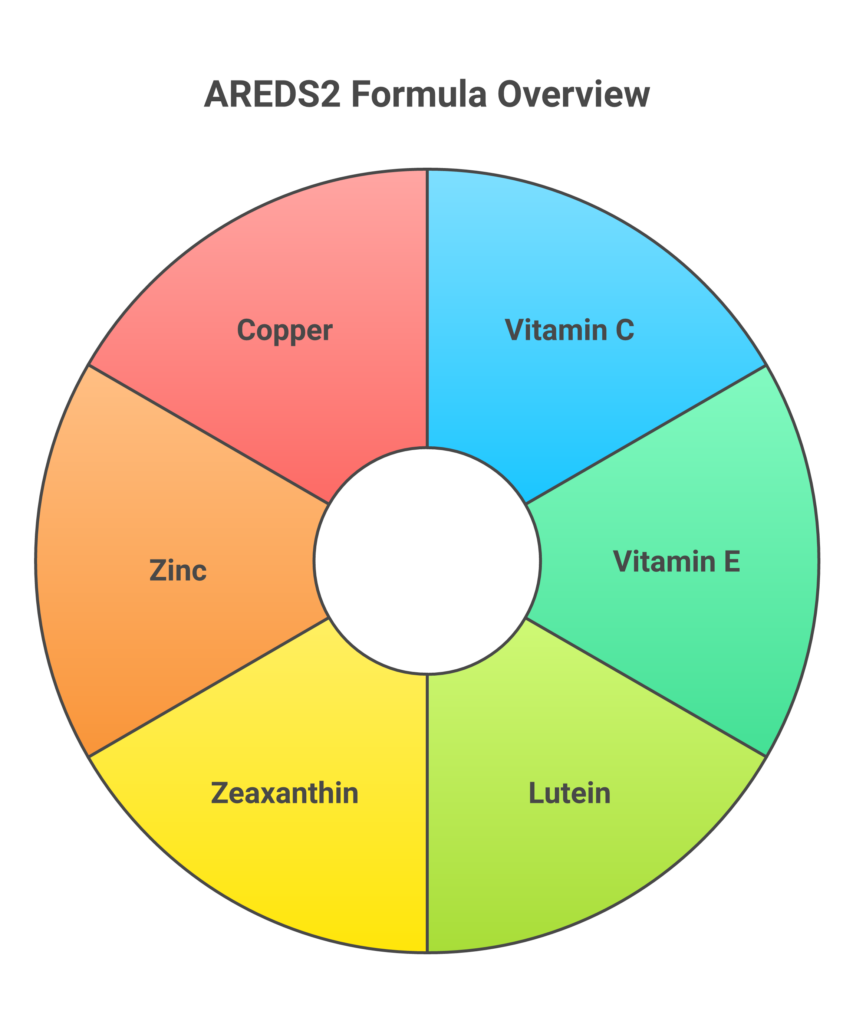
The AREDS2 Formula: What the Research Shows
The Age-Related Eye Disease Study 2 (AREDS2) is a large randomized clinical trial of eye health supplements. Run by the National Eye Institute at the NIH, it enrolled 4,203 participants aged 50-85 with intermediate AMD or advanced AMD in one eye.
The AREDS2 formula contains these exact daily doses:
- Vitamin C: 500 mg
- Vitamin E: 400 IU (180 mg)
- Lutein: 10 mg
- Zeaxanthin: 2 mg
- Zinc: 80 mg (or 25 mg in the low-zinc version)
- Copper: 2 mg
The key change from the original AREDS formula was replacing beta-carotene with lutein and zeaxanthin. This matters because beta-carotene increases lung cancer risk in current and former smokers. The 10-year follow-up data, reported by the NEI in 2022, confirmed that the lutein/zeaxanthin version was not only safer but also slightly more effective at reducing AMD progression compared to the beta-carotene version.
The core finding: taking the AREDS2 supplement reduces the risk of progressing from intermediate to advanced AMD by about 25%. For people already diagnosed with intermediate AMD, or with advanced AMD in one eye, this is a significant benefit. The supplements do not prevent AMD from developing, and the trials found no benefit for people with early AMD or without AMD (NEI AREDS/AREDS2 FAQ).
One important note: the AREDS2 study did test adding omega-3 fatty acids (350 mg DHA and 650 mg EPA) to the formula. Adding omega-3s did not provide additional protection against AMD progression in this trial.
Best Types of Eye Health Supplements
Eye supplements fall into a few main categories. The right choice depends on your specific situation and what your eye doctor recommends.
AREDS2-Based Supplements
These are formulated to match the AREDS2 clinical trial doses. They are meant for people diagnosed with intermediate AMD, or late AMD in one eye. PreserVision AREDS 2 is the most widely recognized brand in this category and uses the exact study formulation. If your ophthalmologist has diagnosed intermediate AMD, an AREDS2 supplement is the only type with strong clinical evidence behind it.
General Vision Support Supplements
These typically contain lower doses of lutein, zeaxanthin, and other antioxidants. They are marketed for overall eye health and screen-related eye fatigue rather than AMD specifically. Brands in this space include Ocuvite and a range of store-brand options. The evidence for general vision support supplements in people without AMD is limited, though lutein and zeaxanthin intake does correlate with higher macular pigment density in most studies.
Dry Eye-Focused Supplements
These are primarily omega-3 fatty acid supplements, sometimes combined with GLA (gamma-linolenic acid) from evening primrose or borage oil. As noted above, omega-3s show the most benefit for dry eye when used alongside artificial tears and other treatments. If dry eye is your main concern, a high-quality fish oil or algal omega-3 supplement is a reasonable option, but it should complement your existing dry eye treatment plan, not replace it.
Combination and Multivitamin-Style Formulas
Some products combine AREDS2 nutrients with additional ingredients like bilberry extract, astaxanthin, or B vitamins. These added ingredients generally lack strong clinical evidence for eye health. A simpler formula that matches proven doses is usually a better choice than a supplement with 20+ ingredients at unproven amounts.
Natural Foods That Support Vision
Supplements work best alongside a diet rich in eye-supporting nutrients. In fact, the research on vision supplements grew out of observations that people eating certain foods had lower rates of eye disease.
Top Foods for Lutein and Zeaxanthin
- Kale (cooked): about 23.7 mg of lutein/zeaxanthin per cup
- Spinach (cooked): about 20.4 mg per cup
- Collard greens (cooked): about 14.6 mg per cup
- Corn: about 2.2 mg per cup
- Egg yolks: about 0.2 mg per yolk, but highly bioavailable due to the fat content
The American Optometric Association recommends 10 mg of lutein and 2 mg of zeaxanthin daily from food or supplements.
Omega-3-Rich Foods
- Salmon (wild-caught): about 1.8 g of combined EPA/DHA per 3 oz serving
- Sardines: about 1.4 g per 3 oz
- Mackerel: about 1.6 g per 3 oz
- Walnuts and flaxseed (ALA form, which the body converts to EPA/DHA at low rates)
Vitamin A-Rich Foods
- Sweet potatoes: one medium baked sweet potato provides over 1,000 mcg RAE (well above the daily recommended 700-900 mcg)
- Carrots, cantaloupe, red bell peppers, and mangoes
Vitamin C Sources
- Bell peppers, citrus fruits, strawberries, broccoli, and Brussels sprouts all deliver 60-130 mg per serving
A Mediterranean-style eating pattern, rich in colorful vegetables, fatty fish, nuts, and olive oil, provides a broad base of these nutrients. The Blue Mountains Eye Study (an Australian population-based study running since 1992) found that participants eating the most fish and leafy greens had lower rates of both AMD and cataracts over a 10-year follow-up period.
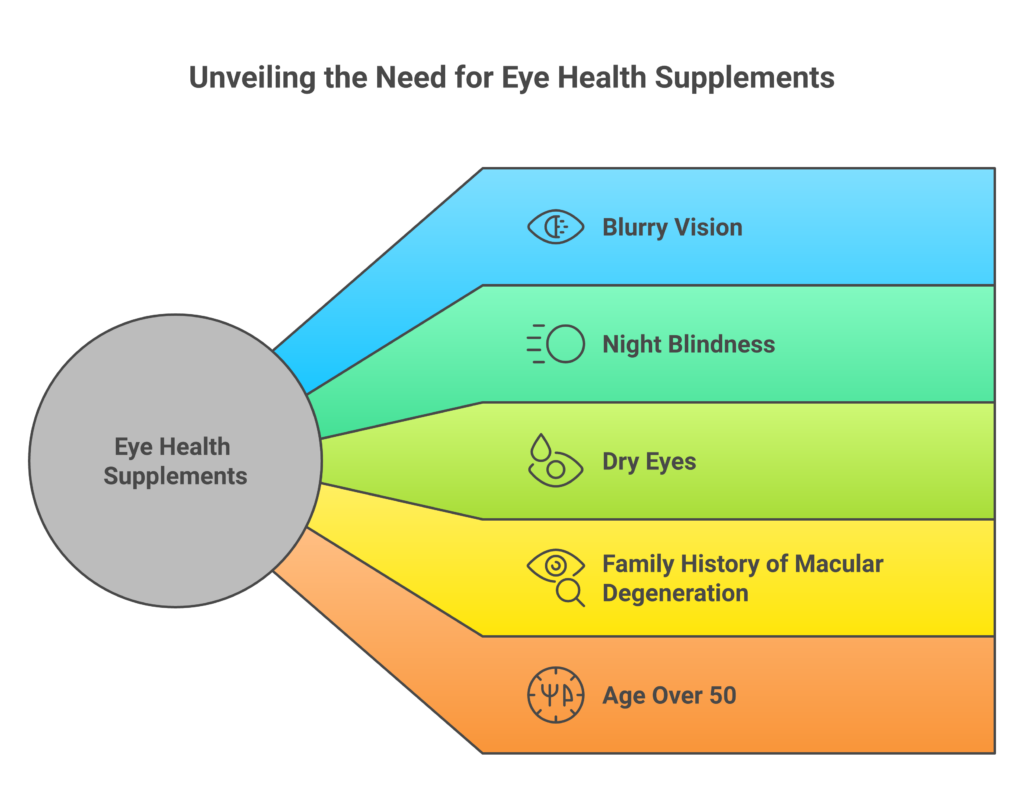
Who Should Consider Eye Supplements
Not everyone needs a dedicated eye supplement. Here is a practical breakdown based on the current evidence:
People Who Benefit Most
- Adults with intermediate AMD: The AREDS2 formula is specifically studied and recommended for this group. The American Academy of Ophthalmology recommends it for people with intermediate AMD in one or both eyes, or advanced AMD in one eye
- People with low dietary intake of lutein/zeaxanthin: If you rarely eat dark leafy greens or eggs, a lutein/zeaxanthin supplement may help maintain macular pigment density
- Adults 55 and older, especially with a family history of AMD: The National Eye Institute lists age 55 and older and a family history of AMD as risk factors. Supplements will not prevent AMD, so the useful step is a regular dilated eye exam. The AREDS2 formula becomes relevant only if intermediate AMD is diagnosed
- People with chronic dry eye: Omega-3 supplements may help as part of a broader treatment plan
People Who Likely Do Not Need Eye Supplements
- Young adults with no eye conditions and a varied diet
- People with early AMD (AREDS2 did not show benefit for early-stage disease)
- Anyone looking for a “cure” for existing vision problems like myopia or presbyopia (supplements do not correct refractive errors)
For more on supplements that support nerve and brain health, which also affects vision processing, see our guide on vitamins for nerve regeneration.
What to Look for When Choosing an Eye Supplement
The supplement market is crowded, and not all products deliver what they promise. Here are the factors that actually matter.
Check the Doses Against Research
To slow progression of intermediate AMD, the supplement should match the AREDS2 formula doses: 500 mg vitamin C, 400 IU vitamin E, 10 mg lutein, 2 mg zeaxanthin, 25-80 mg zinc, and 2 mg copper. Products that list these ingredients at much lower doses are not equivalent to what was tested in the clinical trials.
Look for Third-Party Testing
The FDA does not verify supplement contents before they reach store shelves. Look for a USP Verified, NSF Certified for Sport, or ConsumerLab seal. These indicate an independent lab has confirmed the product contains what the label claims, without harmful contaminants.
Avoid Beta-Carotene if You Smoke or Used to Smoke
The AREDS2 study specifically replaced beta-carotene with lutein and zeaxanthin because beta-carotene increased lung cancer risk in smokers. Some older-formula products still contain beta-carotene. Check the label carefully.
Skip the “Kitchen Sink” Formulas
Supplements with 25+ ingredients at tiny doses are unlikely to deliver clinical benefits. A formula that matches proven dosages for a few well-studied nutrients is more likely to work than one that sprinkles in small amounts of bilberry, goji berry, and astaxanthin.
Form and Bioavailability
Lutein and zeaxanthin are fat-soluble, so softgel capsules or capsules taken with a meal containing fat improve absorption. The free-form (non-esterified) versions of these carotenoids are generally better absorbed than esterified forms. For omega-3s, triglyceride-form fish oil has higher bioavailability than ethyl ester form.
For a comparison of how different supplement formats perform, see our article on liquid vs. powder supplement forms.
Protecting Your Eyes Beyond Supplements
Supplements are one piece of the picture. These habits also protect long-term vision:
- Wear UV-blocking sunglasses: Cumulative UV exposure damages the lens and retina over decades
- Follow the 20-20-20 rule for screen time: Every 20 minutes, look at something 20 feet away for 20 seconds
- Do not smoke: Smoking doubles the risk of AMD according to the American Academy of Ophthalmology
- Get regular dilated eye exams: The AAO recommends a baseline exam at age 40 and annual exams after age 65
- Manage blood pressure and blood sugar: Both hypertension and diabetes directly damage retinal blood vessels
For more on how overall health affects specific body systems, see our guide on improving gut health naturally, since nutrient absorption starts in the gut.
For more health and wellness guidance, visit our homepage.
Eye health and nerve health share several B-vitamin pathways. Optic neuropathy, peripheral neuropathy, and macular function all depend on adequate B12, B6, and folate. If you are optimizing for eye nutrition, our guide on B vitamins and other nutrients that support nerve regeneration covers a related nutrient set worth knowing.
Frequently Asked Questions
What is the best vitamin for blurry vision?
Blurry vision has many possible causes, including refractive errors (nearsightedness, farsightedness, astigmatism) that supplements cannot fix. If blurriness is related to macular degeneration, the AREDS2 formula (lutein, zeaxanthin, vitamins C and E, zinc, and copper) is the most studied option. If dry eyes are causing intermittent blurriness, omega-3 fatty acids may help stabilize the tear film. See an eye doctor first to determine the cause.
Do lutein and zeaxanthin supplements really work?
Yes, for specific conditions. Lutein (10 mg) and zeaxanthin (2 mg) replaced beta-carotene in the AREDS2 formula, which lowers the risk of progressing from intermediate to late AMD by about 25%. In the AREDS2 trial, adding lutein and zeaxanthin to the original formula gave no additional overall benefit, but they proved a safer substitute for beta-carotene. They will not restore lost vision or correct refractive errors.
Can eye vitamins improve vision that is already declining?
Eye supplements can slow the progression of AMD in people with intermediate disease, but they do not reverse existing damage or improve visual acuity in most cases. The AREDS2 study measured risk reduction for progression to advanced AMD, not vision improvement. For any sudden or rapid vision change, see an ophthalmologist immediately.
What is the AREDS2 formula, and who should take it?
AREDS2 stands for Age-Related Eye Disease Study 2, a major clinical trial run by the National Eye Institute. The formula contains vitamin C (500 mg), vitamin E (400 IU), lutein (10 mg), zeaxanthin (2 mg), zinc (25-80 mg), and copper (2 mg). It is recommended for people with intermediate AMD in one or both eyes, or advanced AMD in one eye. It does not prevent AMD, and people with no AMD or only early AMD did not benefit in the trials.
Are there side effects from eye health supplements?
At recommended doses, side effects are uncommon. High-dose zinc (80 mg daily, as in the original AREDS formula) can cause stomach upset in some people, which is why the 25 mg zinc version is now widely available. Beta-carotene increases lung cancer risk in smokers, so the AREDS2 formula replaced it with lutein and zeaxanthin. Omega-3 supplements can cause fishy aftertaste, mild nausea, or loose stools. Always tell your doctor about supplements you take, especially if you are on blood thinners (omega-3s can affect clotting at high doses).
How long do eye supplements take to work?
Most clinical trials on eye supplements ran for 6-12 months before measuring outcomes. The AREDS2 study followed participants for a median of 5 years. Macular pigment density changes from lutein/zeaxanthin supplementation are typically measurable after 3-6 months. Do not expect overnight results, and do not stop taking a recommended supplement because you do not notice a difference in a few weeks.
Should I take an eye supplement if I already eat a healthy diet?
If you eat several servings of dark leafy greens, fatty fish, and colorful fruits and vegetables weekly, you may already get enough of these nutrients. The AREDS2 supplement is for people with intermediate AMD, or late AMD in one eye, not a general recommendation for everyone. Talk to your eye doctor about whether supplementation makes sense based on your individual risk factors, diet, and eye exam results.
This article is for informational purposes only and does not constitute medical advice. Consult your healthcare provider before starting any supplement regimen.
For our full review of top-rated vision supplements, visit our Better Vision Reviews page.
Further Reading from Consumer Health Guide
If you want to go deeper, our guide to caring for the skin around the eyes covers what most product pages skip. For readers comparing options, see our breakdown of treating puffy eyes and dark circles. A useful companion read is B vitamins for nerve and eye health.
We also looked closely at collagen for connective tissue, including the eye in a separate guide. For the related question, check the gut-eye axis in nutrient absorption.