
Reviewed and fact-checked by Jonathan Bailor, founder of SANE Solution and NYT bestselling author. Part of the Consumer Health Guide research library.
The best dark spot remover for women targets the specific cause behind your hyperpigmentation, whether that is hormonal melasma, post-acne marks, or years of accumulated sun damage. No single product works for everyone because women’s skin faces unique triggers at different life stages, from birth control and pregnancy through perimenopause and beyond. This guide breaks down exactly which ingredients, concentrations, and routines actually fade dark spots based on your skin type, your age, and the type of pigmentation you are dealing with. (see dark spot treatment guidelines) (see hyperpigmentation research)
Why Women Get Dark Spots Differently Than Men
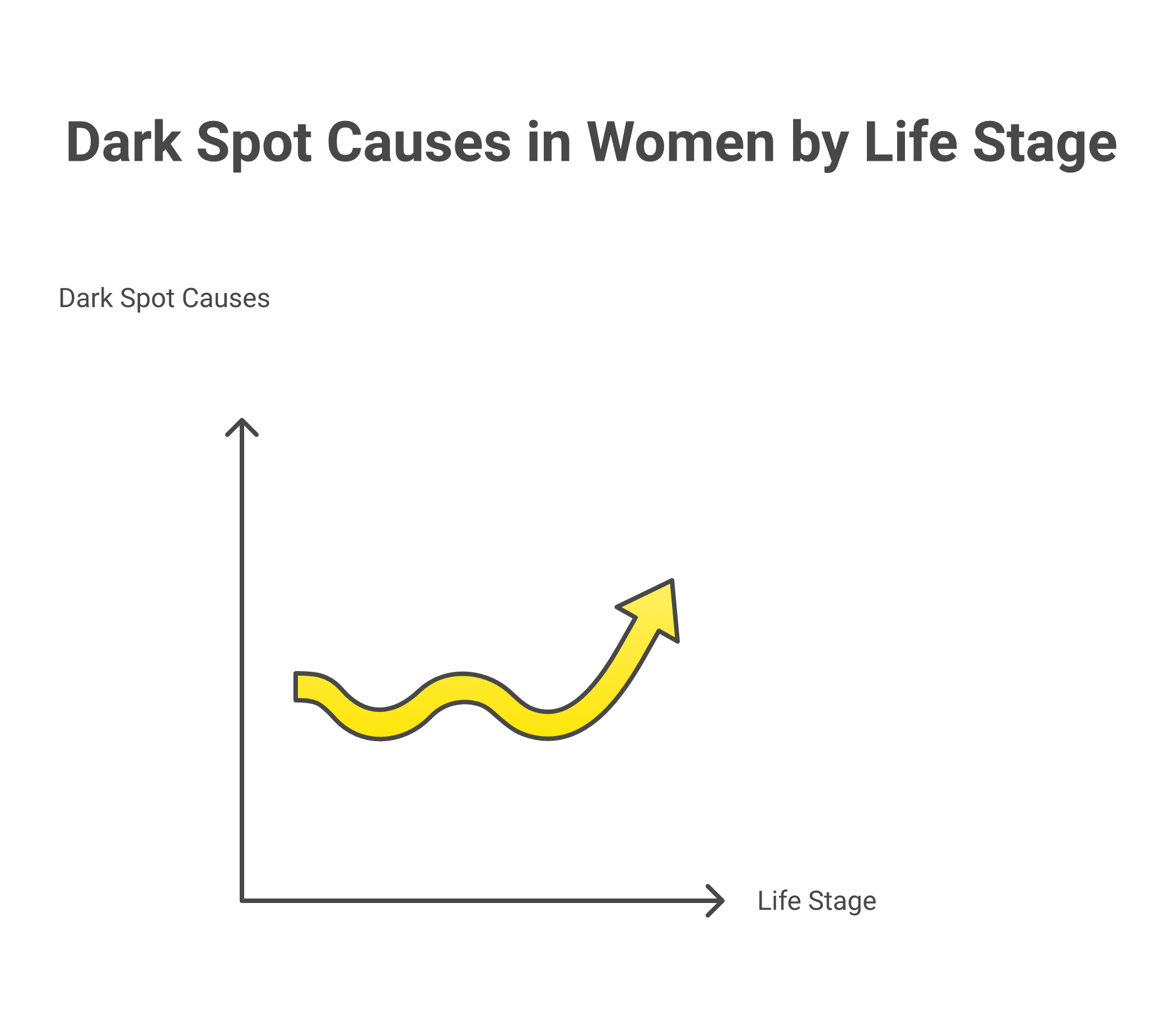
Women are significantly more affected by hyperpigmentation than men, and the reasons go beyond sun exposure. According to the American Academy of Dermatology (AAD), melasma affects an estimated 6 million women in the United States alone, compared to roughly 600,000 men. That 10:1 ratio exists because female hormones, specifically estrogen and progesterone, directly stimulate melanocytes (the cells that produce skin pigment).
Hormonal birth control is one of the most overlooked triggers. Oral contraceptives containing estrogen can cause melasma in 10-25% of users, according to a 2017 review published in the British Journal of Dermatology. The patches typically appear on the cheeks, upper lip, forehead, and chin in a symmetric butterfly pattern.
Pregnancy causes what dermatologists call “the mask of pregnancy” (chloasma). Up to 70% of pregnant women develop some degree of facial hyperpigmentation, particularly during the second and third trimesters when estrogen levels peak. For many women, these spots fade after delivery. For others, they persist for years.
Perimenopause and menopause bring a different mechanism. As estrogen drops, the body loses its natural inhibition of melanocyte-stimulating hormone (MSH). The result: melanin production becomes less regulated, and existing sun damage that was previously invisible can surface as visible dark spots. Research has consistently shown that post-menopausal women experience a marked increase in visible solar lentigines compared to their pre-menopausal baseline, driven by the loss of estrogen-mediated melanocyte regulation.
The Six Ingredients That Actually Work (and the Concentrations That Matter)
Not every brightening ingredient delivers measurable results. I’ve reviewed the clinical literature and spoken with board-certified dermatologists to narrow the field to six ingredients with strong evidence behind them. The concentration ranges listed below reflect what studies have shown to be effective, not just what brands claim on labels.
Skin health starts from the inside. Gut inflammation can worsen hyperpigmentation and slow healing. Our postbiotic supplement guide explains which supplements support the gut-skin connection.
Vitamin C (L-Ascorbic Acid, 10-20%)
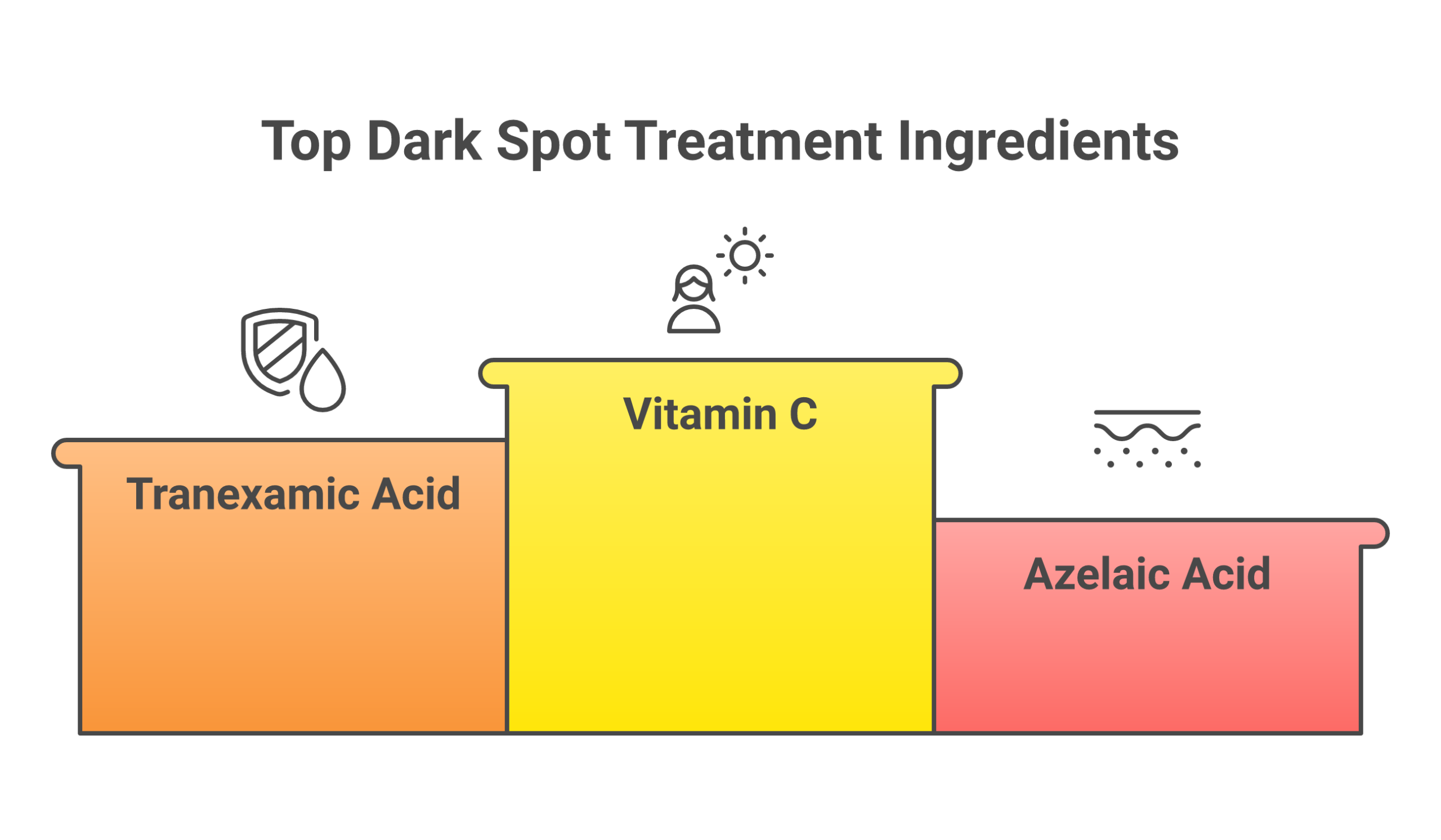
Vitamin C inhibits tyrosinase, the enzyme responsible for melanin production. A 2019 study in the Journal of Clinical and Aesthetic Dermatology found that 15% L-ascorbic acid serum reduced melanin index scores by 16% over 12 weeks. Vitamin C also provides antioxidant protection against UV-generated free radicals. Use it in the morning under sunscreen. The catch: L-ascorbic acid oxidizes quickly. Look for products in opaque, airless packaging with a pH below 3.5, or consider more stable derivatives like ascorbyl glucoside or ethylated ascorbic acid.
Niacinamide (4-5%)
Niacinamide (vitamin B3) works differently from vitamin C. Rather than blocking melanin production, it prevents melanin from transferring to the upper skin layers. A randomized controlled trial published in the British Journal of Dermatology showed that 5% niacinamide reduced hyperpigmentation significantly after 8 weeks compared to vehicle alone. It also strengthens the skin barrier and reduces inflammation, making it an excellent choice for sensitive or reactive skin. You can pair it with most other actives without irritation.
Tranexamic Acid (2-5% Topical, 250mg Oral)
Tranexamic acid has become one of the most talked-about ingredients for melasma treatment. A 2024 meta-analysis published in the Journal of Dermatological Treatment reviewed randomized controlled trials and found that both oral and topical tranexamic acid significantly reduce melasma severity scores. Oral tranexamic acid at 250-500mg twice daily showed sustained improvement with minimal adverse effects. The topical form (2-5%) is gentler and works well for women who cannot take oral medications. Dermatologist Dr. Marisa Garshick has noted that tranexamic acid is particularly effective for hormonal melasma because it interrupts the plasmin pathway that triggers melanocyte activity.
Alpha Arbutin (1-2%)
Alpha arbutin is a naturally derived tyrosinase inhibitor that releases hydroquinone slowly at the melanocyte level without the side effects of applying hydroquinone directly. A 2020 Molecules review found alpha arbutin at 1% concentration showed significant depigmenting effects within 6 weeks. It is one of the gentlest options available and works especially well for women with melanin-rich skin tones (Fitzpatrick types IV-VI) who need to avoid ingredients that might cause post-inflammatory hyperpigmentation as a rebound effect.
Retinoids (0.25-1% Retinol, 0.025-0.1% Tretinoin)
Retinoids accelerate cell turnover, pushing pigmented cells to the surface faster so they shed. Over-the-counter retinol (0.25-1%) requires your skin to convert it to retinoic acid, which means results take longer, typically 8-12 weeks. Prescription tretinoin (0.025-0.1%) is already in its active form and works faster, often showing measurable improvement within 6 weeks. Start low and increase gradually. Retinoids make skin more sensitive to UV, so nighttime-only application with strict morning SPF is mandatory.
Azelaic Acid (10-20%)
Azelaic acid reduces melanin production while also fighting inflammation and acne bacteria. The AAD recognizes 15-20% azelaic acid as an effective melasma treatment. It is pregnancy-safe (Category B), which makes it one of the few active brightening ingredients women can use during pregnancy. A 2019 randomized trial in Dermatologic Therapy found 20% azelaic acid comparable to 4% hydroquinone for melasma improvement over 24 weeks, without the side effects or usage limitations of hydroquinone.
Skin Type Considerations: One Size Does Not Fit All
Your skin type dictates which ingredients and formulations will work best for you. Getting this wrong does not just waste money. It can worsen the problem.
Sensitive Skin
If your skin flares up easily, start with niacinamide (4-5%) and azelaic acid (10-15%). Both are anti-inflammatory and unlikely to trigger redness or peeling. Avoid high-concentration vitamin C (above 15%) and strong retinoids initially. Introduce one active at a time and wait 2 weeks before adding another. Products labeled “fragrance-free” are not the same as “unscented,” and this distinction matters. Look for fragrance-free formulations.
Melanin-Rich Skin (Fitzpatrick IV-VI)
Women with darker skin tones face a paradox: the same ingredients that treat dark spots can cause irritation-induced post-inflammatory hyperpigmentation (PIH), creating new dark spots while trying to fade old ones. Research published in the Journal of Drugs in Dermatology has shown that Black women experience PIH at significantly higher rates than white women when using high-strength peels without proper preparation. Alpha arbutin, niacinamide, and low-concentration azelaic acid (10-15%) are safer starting points. Avoid aggressive chemical peels without professional supervision. If you use retinoids, begin with retinol at 0.25% and buffer it by applying moisturizer first.
Oily and Acne-Prone Skin
If you are managing both breakouts and dark spots, look for lightweight serums rather than heavy creams. Azelaic acid (15-20%) pulls double duty by treating active acne and fading the marks it leaves behind. Niacinamide also helps regulate sebum production. Avoid oil-based vitamin C formulations. Water-based or silicone-based serums absorb faster and do not clog pores. For a complete guide to choosing the right active for your skin, see our breakdown of dark spot remover ingredients.
Dry or Mature Skin
Retinoids are particularly valuable here because they treat dark spots and stimulate collagen production simultaneously. Pair them with hyaluronic acid and ceramide-rich moisturizers to counteract the dryness that retinoids can cause. Vitamin C serums in a cream or oil base provide both brightening and hydration. Look for formulas that combine L-ascorbic acid with vitamin E and ferulic acid, which stabilize the vitamin C and boost its photoprotective effects.
Morning Versus Night: Building an Effective Routine
The time of day you apply your dark spot treatment affects how well it works. Some ingredients are photosensitive. Others perform better when your skin is in repair mode overnight.
Morning Routine
Morning is the right time for antioxidants and sun protection. Apply vitamin C serum (10-20%) to clean skin. Follow with niacinamide if you use it (these two can layer together despite an old internet myth that they conflict). Finish with broad-spectrum SPF 30 or higher. Reapply sunscreen every 2 hours if you are outdoors. Tinted sunscreens with iron oxides offer extra protection against visible light, which is a known melasma trigger that regular SPF does not fully block.
Night Routine
Your skin repairs and regenerates faster at night, making this the ideal window for cell-turnover actives. Apply retinoid (start at 0.25% retinol, 2-3 nights per week, then increase). On non-retinoid nights, use tranexamic acid or azelaic acid. Always apply to clean, dry skin. Wait 1-2 minutes between layers to allow each product to absorb. Seal everything with a moisturizer containing ceramides or squalane.
SPF Is Non-Negotiable
No dark spot treatment works without daily sunscreen. A single day of unprotected sun exposure can undo weeks of progress. The AAD recommends broad-spectrum SPF 30+ applied daily, even on cloudy days and even if you work indoors (UVA penetrates windows). For women with melasma, dermatologist Dr. Shereene Idriss recommends SPF 50 with iron oxides for visible light protection. Concerned about safety? Read our guide on whether dark spot removers are safe for a full breakdown of ingredient safety profiles.
What to Avoid: Products and Practices That Can Cause Harm
The dark spot treatment market includes products that range from ineffective to genuinely dangerous. Watch out for these red flags.
Hydroquinone Over-the-Counter Products
The FDA ruled in 2020 that over-the-counter skin lightening products containing hydroquinone are not generally recognized as safe and effective. OTC hydroquinone products are now classified as unapproved new drugs. Long-term use (beyond 3 months) can cause ochronosis, a condition where the skin develops a permanent blue-gray discoloration. Prescription hydroquinone (4%) under dermatologist supervision for short courses (8-12 weeks) remains an option, but self-treating with OTC hydroquinone is no longer recommended.
Mercury-Containing Imported Creams
The FDA has issued multiple warnings about skin lightening creams, particularly imports from parts of Asia, Latin America, and Africa, that contain mercury. Mercury is a potent skin lightener but is also a neurotoxin that damages the kidneys, nervous system, and immune system. Some products have tested at mercury levels 100x above the FDA limit. Always check that products are manufactured by established brands with domestic distribution and regulatory oversight. If a product does not list its ingredients or uses generic terms like “special formula,” do not use it.
Aggressive Peels Without SPF Commitment
Chemical peels (glycolic, TCA, or Jessner’s) can accelerate dark spot fading, but they also strip the skin’s natural UV protection temporarily. Getting a peel and then skipping sunscreen for even one day can cause rebound hyperpigmentation that is worse than the original spots. Professional peels should always be paired with a strict SPF protocol for at least 2 weeks after treatment. At-home peels should stay at 10% glycolic or lower unless directed by a dermatologist.
Realistic Timelines: What to Expect and When
One of the biggest reasons women abandon effective treatments is unrealistic expectations. Dark spots did not appear overnight, and they will not disappear overnight.
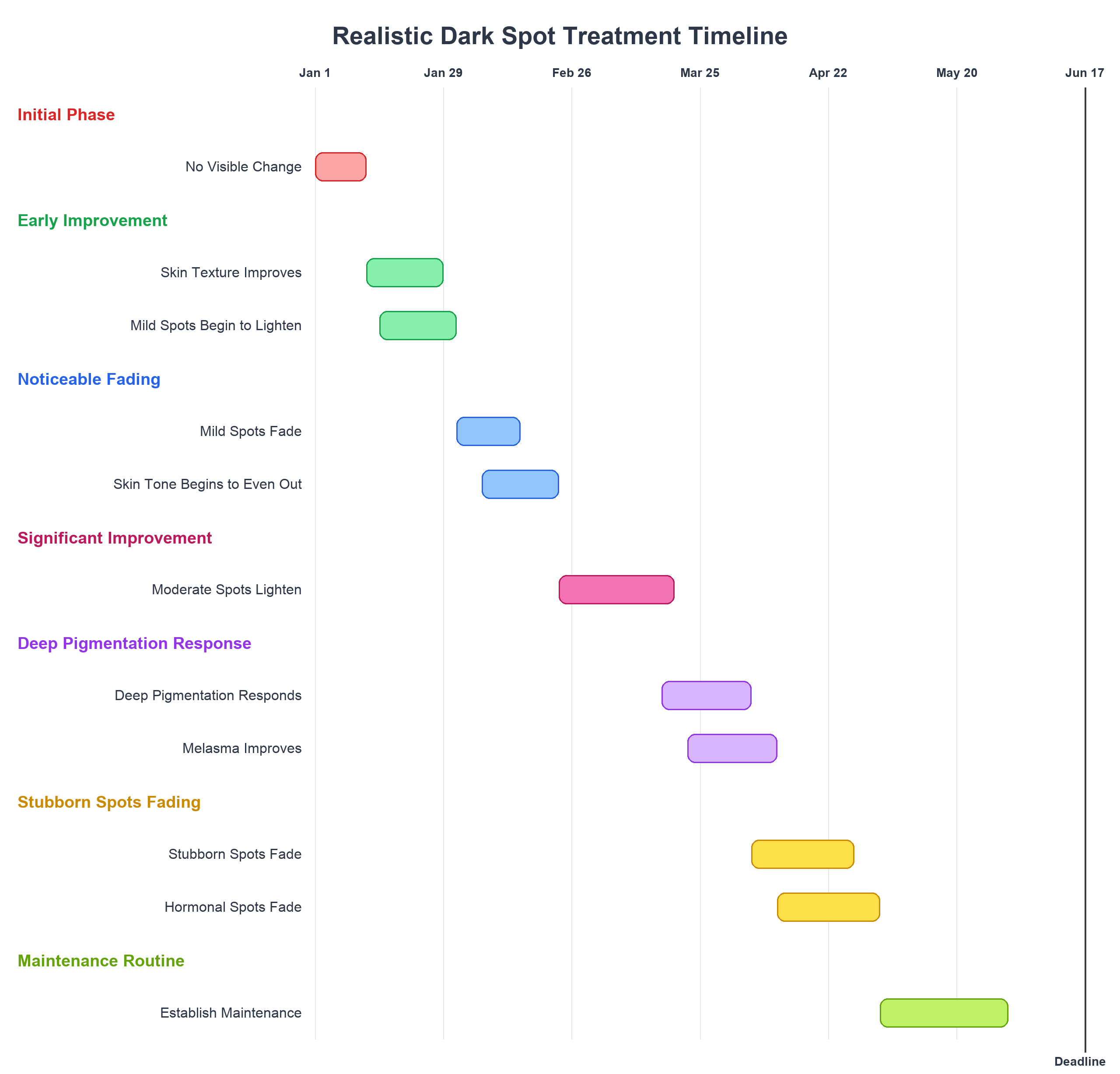
Weeks 1-4: Skin texture may improve, but visible spot fading is unlikely. Active ingredients are working at the cellular level to slow new melanin production. Do not switch products during this window.
Weeks 4-8: Mild to moderate dark spots begin lightening. Post-acne marks (post-inflammatory hyperpigmentation) tend to respond fastest during this phase. Melasma may show initial improvement.
Weeks 8-12: This is where most women see the biggest visible change. Studies on niacinamide, vitamin C, and azelaic acid consistently show statistically significant improvement by the 12-week mark. If you see zero improvement at 12 weeks, consult a dermatologist. The product, concentration, or diagnosis may need adjusting.
Months 3-6: Deeper pigmentation (dermal melasma, long-standing solar lentigines) begins responding. Stubborn hormonal spots may require combination therapy, like pairing topical tranexamic acid with a retinoid, or adding professional treatments like IPL or microneedling. For side-by-side product comparisons, check our reviews of top-rated dark spot removers.
Beyond 6 months: Maintenance is ongoing. Dark spots can return with sun exposure or hormonal changes. A long-term routine using vitamin C in the morning, a retinoid at night, and daily SPF 50 keeps results stable.
Age-Specific Strategies for Women at Every Stage
Women in Their 20s and 30s
Post-inflammatory hyperpigmentation from acne is the most common concern at this age. Niacinamide and azelaic acid treat both active acne and the marks it leaves. If you are on hormonal birth control and notice new dark patches on your face, talk to your gynecologist about progestin-only alternatives, which carry a lower melasma risk. Start using vitamin C and SPF 30+ now. The sun damage you prevent in your 20s determines how many dark spots surface in your 40s.
Women in Their 40s and 50s
This decade brings a combination of accumulated sun damage, declining estrogen, and slower cell turnover. Retinoids become especially valuable because they address dark spots, fine lines, and skin texture simultaneously. Start retinol at 0.25% and increase to 0.5-1% over 3-6 months. Glycolic acid peels (10% at home, 30-70% professional) accelerate cell turnover and fade deeper pigmentation. Tranexamic acid, either topical or oral, is worth discussing with your dermatologist if you have melasma that has not responded to topical-only treatment.
Women Over 60
Solar lentigines (age spots) from decades of UV exposure are the primary concern. These spots tend to be more resistant than hormonal or post-acne types. Combination therapy usually delivers the best results: vitamin C in the morning for prevention and brightening, a prescription retinoid (tretinoin 0.025-0.05%) at night for cell turnover, and professional treatments like IPL (intense pulsed light) or Q-switched laser for stubborn spots. A 2022 review in Dermatologic Surgery found IPL reduced solar lentigines by an average of 68% after 2-3 sessions. Your skin is thinner at this stage, so gentler concentrations and slower introduction of actives is important.
The Gut-Skin Connection and Dark Spots
Emerging research connects gut health to skin pigmentation through the gut-skin axis. A 2022 study in the International Journal of Molecular Sciences found that gut dysbiosis (an imbalanced microbiome) increased systemic inflammation markers associated with melanocyte hyperactivity. While this research is still early, supporting your gut health through fiber-rich foods, fermented foods, and adequate hydration may complement your topical dark spot routine. For a deeper look at how diet affects skin health, read our guide on the best foods for gut health.
When to See a Dermatologist
Self-treatment is reasonable for mild, stable dark spots. But certain situations call for professional evaluation. See a dermatologist if a dark spot changes size, shape, or color rapidly, has irregular borders, is raised or textured differently from surrounding skin, bleeds or itches, or appears without an obvious cause. These could indicate melanoma or other skin conditions that require biopsy.
Also see a dermatologist if over-the-counter products have not produced visible improvement after 12 weeks of consistent use. Professional options include prescription-strength tretinoin (0.05-0.1%), higher-concentration chemical peels, laser treatments (fractional CO2, Q-switched Nd:YAG), and microneedling with brightening serums. Many dermatologists offer initial consultations at low cost, and prescription retinoids are often covered by insurance.
Browse all of our dark spot removers reviews and guides for more research-backed recommendations.
If you are also looking for anti-aging solutions, see our guide to the best anti-wrinkle creams and learn about retinol for wrinkles.
Pigmentation also responds to internal antioxidant status, which overlaps with what is known about eye health. The same carotenoids and vitamins protect both skin pigment cells and the macula. See our guide on carotenoids and vitamins for vision.
Frequently Asked Questions
Can dark spots go away permanently?
Post-inflammatory hyperpigmentation (from acne or injury) can fade completely with consistent treatment and sun protection, typically within 3-12 months. Melasma is chronic and tends to recur with sun exposure or hormonal changes, so ongoing maintenance is needed. Solar lentigines (age spots) can be significantly reduced with laser treatments but may return without daily SPF use.
Is hydroquinone safe to use for dark spots?
The FDA no longer allows over-the-counter sale of hydroquinone in skin lightening products. Prescription hydroquinone (4%) under dermatologist supervision for short courses of 8-12 weeks remains an option. Long-term unsupervised use carries a risk of ochronosis, a permanent blue-gray skin discoloration.
What is the fastest-working dark spot ingredient?
Prescription tretinoin (0.025-0.1%) typically shows the fastest results, with measurable improvement in 6-8 weeks. Among over-the-counter options, vitamin C (15-20% L-ascorbic acid) and tranexamic acid tend to show initial improvement within 4-8 weeks. No topical product produces overnight results regardless of marketing claims.
Can I use multiple dark spot treatments at the same time?
Yes, but with caution. A common effective combination is vitamin C in the morning and a retinoid at night. You can add niacinamide to either routine. Avoid combining multiple strong acids (glycolic + salicylic + azelaic) at the same time, which can cause irritation and damage your skin barrier. Introduce new products one at a time with 2-week gaps between additions.
Do dark spot removers work on melanin-rich skin?
Yes, but ingredient choice matters more. Women with Fitzpatrick skin types IV-VI should prioritize alpha arbutin, niacinamide, and azelaic acid (10-15%), which are less likely to cause irritation-induced rebound hyperpigmentation. Avoid high-strength chemical peels and aggressive retinoids without professional guidance. A 2021 study found Black women experienced post-inflammatory hyperpigmentation at 2.5x the rate of white women when using high-concentration peels.
Why do my dark spots come back after treatment?
Dark spots recur for three main reasons: continued sun exposure without adequate SPF, hormonal fluctuations (pregnancy, menopause, birth control changes), and stopping treatment too soon. Melasma in particular requires long-term maintenance. Even after spots fade, a daily regimen of antioxidant serum plus SPF 30-50 is necessary to prevent recurrence.
Are natural remedies effective for dark spots?
Some natural ingredients have limited clinical evidence. Licorice root extract (containing glabridin) showed depigmenting effects in small studies. Vitamin C is technically a natural compound. However, lemon juice, turmeric paste, and apple cider vinegar, frequently recommended online, lack clinical evidence for safe and effective use on facial skin. Lemon juice in particular can cause phytophotodermatitis (burns) when skin is exposed to sunlight after application. Stick to clinically studied formulations.
Should I use a dark spot serum or cream?
Serums deliver higher concentrations of active ingredients and penetrate more effectively because of their smaller molecular structure. They are the better choice for targeted dark spot treatment. Creams work well as a second step to deliver hydration and lock in actives, especially for women with dry or mature skin. For best results, apply serum first, then layer cream over it.
Further Reading from Consumer Health Guide
If you want to go deeper, our guide to dark spot remover comparison covers what most product pages skip. For readers comparing options, see our breakdown of age spot removal at home.