
Medically reviewed content. This article is for informational purposes only and does not constitute medical advice. Always consult a qualified healthcare provider before starting any supplement regimen.
Collagen is the most abundant protein in your body, making up roughly 30% of your total protein content. It acts as the structural scaffolding for your skin, bones, tendons, ligaments, and cartilage. If you’ve ever wondered what keeps your skin firm, your joints cushioned, or your bones resilient, collagen is a big part of that answer. According to the Cleveland Clinic (2024), collagen provides structure, strength, and support throughout your entire body, from your blood vessels to your intestinal lining.
I’ve spent years reviewing collagen research and talking to people who swear by it, as well as people who think it’s overrated. The truth sits somewhere in the middle. The science behind collagen is real, but the marketing around it often stretches well beyond what clinical evidence actually supports. In this guide, I’ll walk you through what collagen does, where it comes from, what destroys it, and what you can realistically do to protect and rebuild it.
If you’re here because you want to find a collagen supplement that actually works, check out our verified collagen supplement reviews after reading this guide. Understanding the science first will help you make a smarter purchase.
What Exactly Is Collagen? The Science Behind the Protein
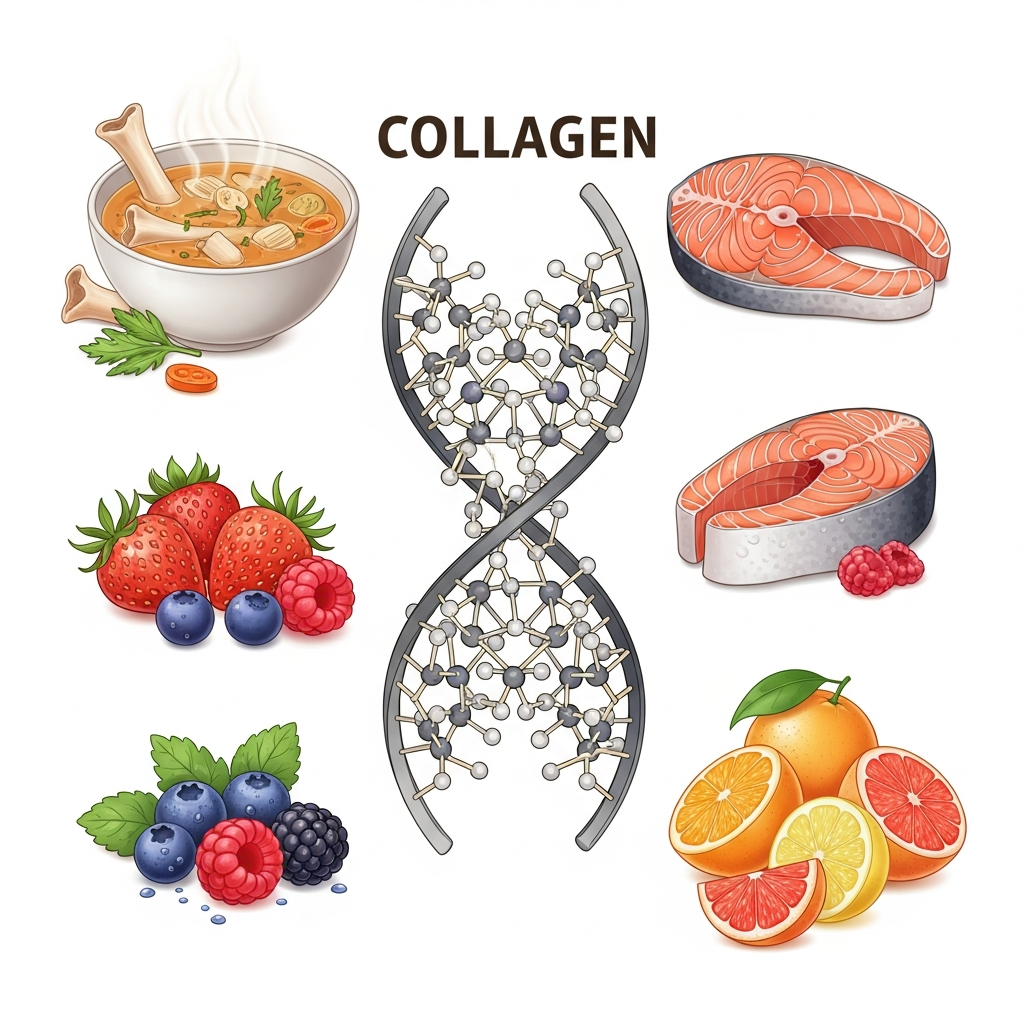
Collagen is a structural protein made up of amino acids, primarily glycine, proline, and hydroxyproline. These amino acids form a triple-helix structure that gives collagen its tensile strength. Think of it like a braided rope at the molecular level.
Your body produces collagen naturally through a process called collagen synthesis. Fibroblast cells (found in your skin and connective tissues) assemble amino acids into procollagen molecules, which are then processed into mature collagen fibers. This entire process depends on vitamin C, zinc, and copper as cofactors (StatPearls, NCBI Bookshelf, 2023).
Collagen isn’t a single molecule. Scientists have identified at least 28 types, though five of them do most of the heavy lifting in your body.
The Five Major Types of Collagen
- Type I: Makes up about 90% of your body’s collagen. Found in skin, bones, tendons, and ligaments. It’s densely packed and gives skin its firmness (Cleveland Clinic, 2024).
- Type II: The primary collagen in cartilage. It provides cushioning and shock absorption for your joints. Research in the journal Biomedicines (2022) links Type II degradation to osteoarthritis progression.
- Type III: Works alongside Type I in skin, blood vessels, and internal organs. It’s especially abundant in your cardiovascular system, where it helps maintain arterial elasticity (PMC, The Collagen Family, 2011).
- Type IV: Forms basement membranes, the thin layers that separate tissues and act as filtration barriers. Your kidneys rely on Type IV collagen to filter blood properly.
- Type V: Found in the cornea of your eyes, certain skin layers, hair, and placental tissue. Less abundant, but essential for those specific structures.
When supplement companies market “multi-collagen” products, they typically include Types I, II, and III. Types IV and V are rarely supplemented directly. For a broader look at how nutrition supports structural health, see our guide on best foods for gut health, since gut integrity also depends on collagen-rich connective tissue.
What Does Collagen Actually Do in Your Body?
Collagen’s job description is long. Here’s what it handles across your major systems:
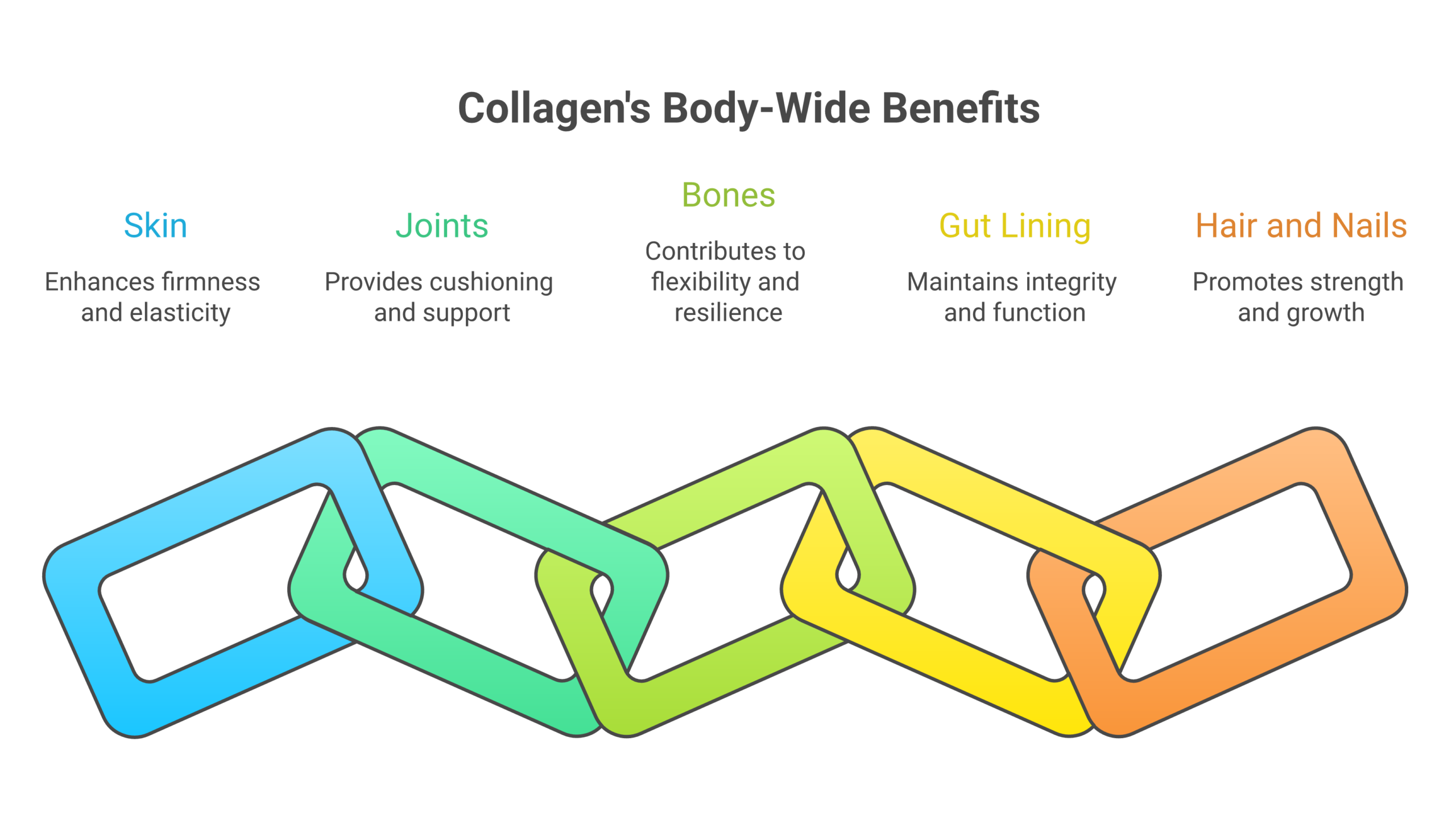
Skin Structure and Elasticity
Collagen makes up 70% to 80% of your skin’s dry weight (Cleveland Clinic, 2024). It works with elastin (another protein) to keep skin firm and resilient. When collagen breaks down, you see wrinkles, sagging, and thinning skin. A 2019 study published in the journal Nutrients found that oral collagen supplementation improved skin hydration, elasticity, roughness, and density in a randomized, placebo-controlled trial (Bolke et al., 2019).
Joint and Cartilage Support
Type II collagen makes up about 60% of the dry weight of cartilage. It acts as a shock absorber between bones. When cartilage collagen degrades, bone-on-bone friction increases, leading to pain, stiffness, and conditions like osteoarthritis. A 2023 review in Heliyon found that collagen supplementation showed benefits for both skin and orthopedic conditions, though the authors noted that study designs varied widely.
Bone Density
Your bones are roughly one-third collagen by weight. Collagen provides the flexible framework that calcium and other minerals attach to. Without enough collagen, bones become brittle. A 2018 study in Nutrients found that specific collagen peptides increased bone mineral density in postmenopausal women over 12 months (Konig et al., 2018).
Gut Lining Integrity
The intestinal wall contains collagen in its connective tissue layers. While “leaky gut” is a term that gets thrown around loosely, it’s true that collagen-containing amino acids (especially glycine and glutamine) support the maintenance of intestinal barrier function. Research from the journal Alimentary Pharmacology and Therapeutics (2017) showed that amino acids found in collagen play a role in mucosal healing.
Hair and Nail Growth
Collagen provides amino acids that your body can use to build keratin, the protein that makes up hair and nails. A 2024 clinical trial published in Dermatology Research and Practice (Reilly et al., 2024) found that 12 weeks of hydrolyzed collagen intake improved both scalp and hair condition alongside skin improvements.
Why Your Body Makes Less Collagen Over Time
Here’s the uncomfortable reality: your body starts producing less collagen in your mid-20s. The Cleveland Clinic notes that collagen production begins declining after age 20, with the drop accelerating in your 30s and 40s. After menopause, women can lose up to 30% of their skin collagen within the first five years (American Academy of Dermatology, 2024).
By age 60, a significant decline in collagen production is normal. But aging isn’t the only factor destroying your collagen. Several lifestyle and environmental factors speed up the process considerably.
Factors That Destroy Collagen
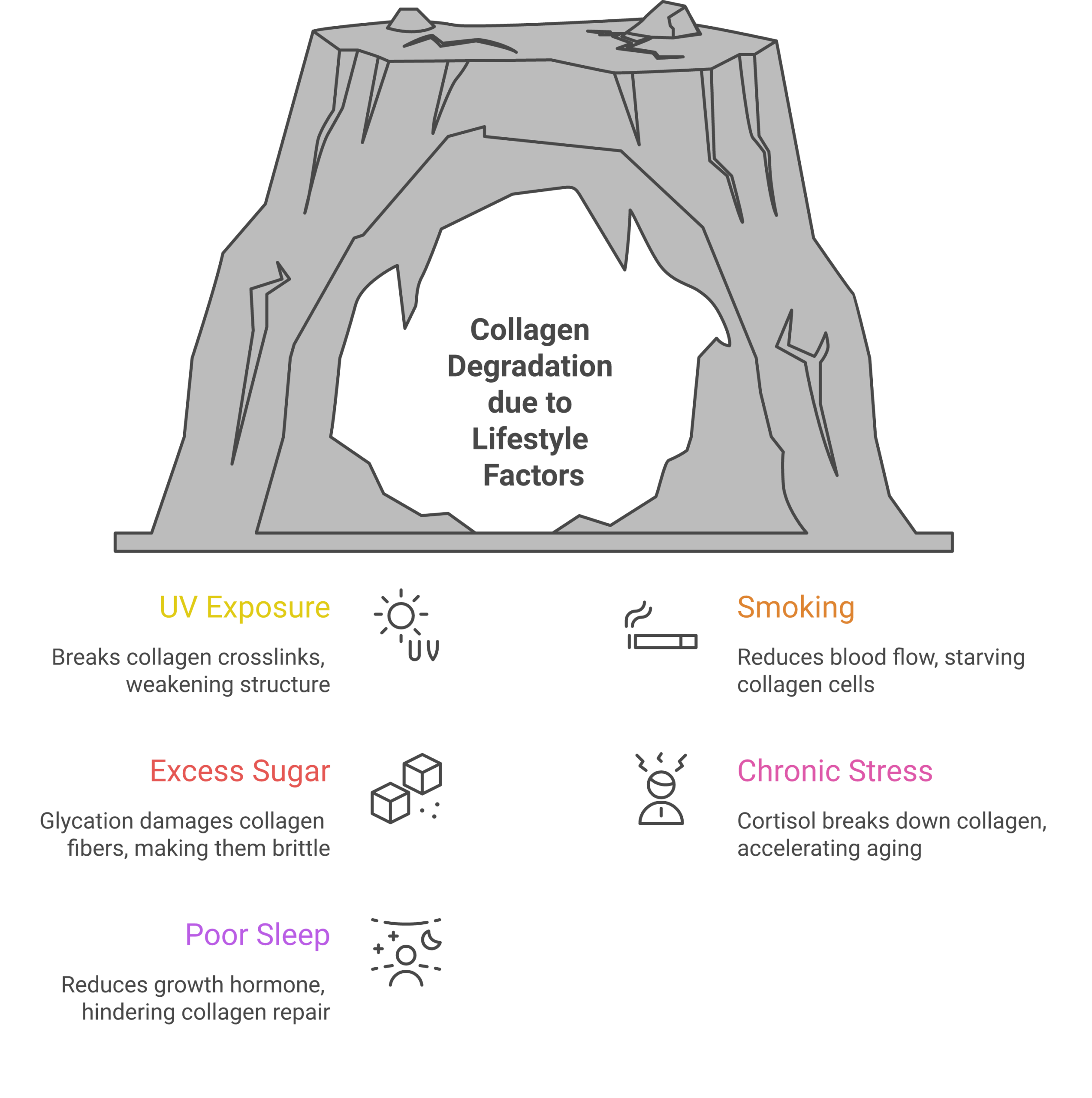
- UV radiation: Ultraviolet light penetrates the skin and breaks down collagen fibers through a process called photoaging. According to the Skin Cancer Foundation (2023), up to 90% of visible skin aging is caused by sun exposure, not chronological aging.
- Smoking: Tobacco smoke generates free radicals that directly damage collagen. A study in the Archives of Dermatological Research (2002) found that smokers had significantly lower collagen production in their skin compared to non-smokers.
- Excess sugar: When you consume too much sugar, a process called glycation occurs. Sugar molecules attach to collagen fibers, forming advanced glycation end products (AGEs) that make collagen stiff and brittle. Research published in Clinical Dermatology (2010) confirmed that sugar-damaged collagen is harder for your body to repair.
- Chronic stress: Elevated cortisol levels suppress collagen synthesis. A 2014 study in Brain, Behavior, and Immunity linked chronic psychological stress to accelerated skin aging through collagen degradation pathways.
- Poor sleep: Your body does most of its collagen repair during deep sleep. Consistently sleeping fewer than 7 hours reduces growth hormone output, which your body needs for tissue repair (National Sleep Foundation, 2023).
- Environmental pollution: Particulate matter and ozone create oxidative stress that damages collagen in exposed skin. A 2020 study in the Journal of Investigative Dermatology found that air pollution exposure correlated with increased signs of skin aging.
Understanding these factors matters because even the best collagen supplement reviews won’t help you if you’re actively destroying collagen faster than you can rebuild it.
Dietary Sources of Collagen and Collagen-Boosting Nutrients
You can get collagen directly from food, or you can eat foods that give your body the raw materials to produce its own collagen. Both strategies matter.
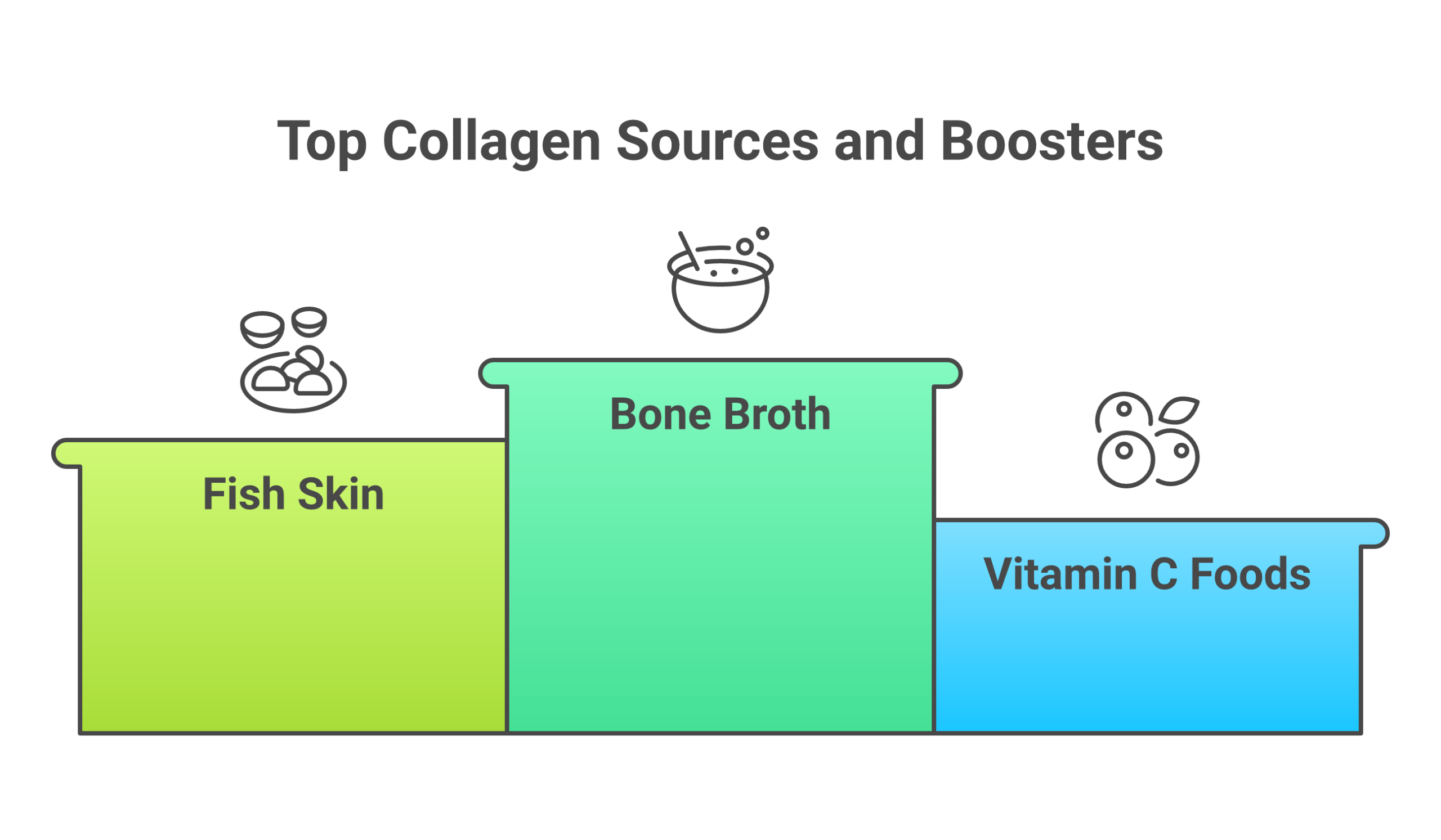
Direct Collagen Sources
- Bone broth: Made by simmering animal bones for hours, bone broth extracts collagen from the connective tissues. The collagen content varies significantly by preparation method. A 2019 study in the International Journal of Sport Nutrition and Exercise Metabolism found that homemade bone broths were inconsistent in their collagen content, so quality matters.
- Fish and shellfish: Fish skin and scales are rich in Type I collagen. Marine collagen is also highly bioavailable, meaning your body absorbs it more efficiently than some other sources (Molecular Biology Reports, 2022).
- Chicken: Chicken skin, cartilage, and connective tissues contain significant collagen. Chicken feet, popular in Asian cuisine, are especially collagen-dense.
- Egg whites: While not a direct collagen source, eggs contain proline, one of the key amino acids your body needs for collagen synthesis.
- Organ meats: Liver, heart, and other organ meats from pasture-raised animals contain collagen along with other supportive nutrients like vitamin A and iron.
Collagen-Boosting Nutrients
Even if you don’t eat collagen directly, these nutrients fuel your body’s own collagen production:
- Vitamin C: Non-negotiable for collagen synthesis. Without vitamin C, your body literally cannot form stable collagen molecules. This is why scurvy (severe vitamin C deficiency) causes skin breakdown and bleeding gums. Sources: bell peppers, citrus fruits, strawberries, broccoli, kale. Harvard T.H. Chan School of Public Health (2024) lists vitamin C as essential for collagen formation.
- Zinc: Activates proteins required for collagen synthesis. Found in oysters, red meat, chickpeas, pumpkin seeds, and cashews.
- Copper: Required for the enzyme lysyl oxidase, which cross-links collagen fibers for strength. Found in organ meats, shellfish, dark chocolate, and sesame seeds.
- Sulfur: Helps form the disulfide bonds in collagen. Found in garlic, onions, cruciferous vegetables, and eggs.
For more on how food choices affect your body from the inside out, our article on dark spot remover ingredients covers the vitamin C crossover between diet and skincare.
Collagen Skincare Products: Do Topical Treatments Actually Work?
This is where I need to be honest with you. Most collagen skincare products face a fundamental problem: whole collagen molecules are too large to penetrate the outer layer of your skin (the stratum corneum). Applying a collagen cream to your face mainly provides surface-level hydration. It sits on top of your skin and makes it feel smoother temporarily, but the collagen molecules themselves are not reaching the deeper dermis where your body actually builds new collagen.
A 2020 review in the International Journal of Cosmetic Science confirmed that native collagen’s molecular weight (around 300 kDa) is far too large for transdermal absorption. However, the same review noted that hydrolyzed collagen peptides (with molecular weights under 5 kDa) show better penetration potential.
What Topical Ingredients Actually Stimulate Collagen?
If you want products with collagen-stimulating effects, look for these ingredients with actual clinical evidence:
- Retinoids (vitamin A derivatives): The most studied topical for collagen production. Prescription tretinoin has decades of clinical data supporting its ability to stimulate new collagen synthesis in the dermis (Journal of Cosmetic Dermatology, 2019). Over-the-counter retinol works similarly but at lower potency.
- Vitamin C serums (L-ascorbic acid): At concentrations of 10-20% and a pH below 3.5, topical vitamin C can penetrate skin and boost collagen synthesis. A 2017 review in Nutrients confirmed vitamin C’s role in both protecting existing collagen and promoting new production.
- Peptide serums: Specific peptides like palmitoyl tripeptide-1 and palmitoyl tetrapeptide-7 signal fibroblasts to produce more collagen. Evidence is growing, though not as extensive as retinoid research.
- Niacinamide: At 4-5% concentration, niacinamide has been shown to stimulate collagen production and improve skin barrier function (British Journal of Dermatology, 2000).
Bottom line: products with collagen IN them are mostly moisturizers. Products that stimulate your body to MAKE more collagen are the ones worth your money. If you’re exploring anti-aging skincare, our wrinkle cream reviews evaluate which products have ingredients that can actually reach the dermis.
Oral Collagen Supplements: What Does the Research Say?
Oral collagen supplements have become a billion-dollar industry, and the research has been catching up to the marketing claims. Here’s what we know as of 2026.
How Oral Collagen Gets Absorbed
When you swallow a collagen supplement, your digestive system breaks it down into individual amino acids and small peptides. Hydrolyzed collagen (also called collagen peptides) is pre-broken-down, which means it’s absorbed more efficiently than whole collagen protein. Studies show these peptides are detectable in the bloodstream within an hour of ingestion and can accumulate in skin tissue (Journal of Agricultural and Food Chemistry, 2005).
The key question: do those absorbed peptides actually stimulate new collagen production, or does your body just use them as generic protein building blocks? Research suggests both things happen, but there is evidence that specific dipeptides like prolyl-hydroxyproline (Pro-Hyp) signal fibroblasts to ramp up collagen synthesis (Food and Function, 2018).
Clinical Evidence for Skin Benefits
A 2023 systematic review and meta-analysis published in Nutrients (de Miranda et al.) analyzed 26 randomized controlled trials involving 1,721 participants. The findings were clear: hydrolyzed collagen supplementation significantly improved skin hydration and elasticity compared to placebo. The benefits became statistically significant after 8 weeks of consistent use.
A 2019 randomized, placebo-controlled study (Bolke et al., Nutrients) using 2.5 grams per day of collagen peptides found measurable improvements in skin hydration (by 28%), elasticity, roughness, and density over 12 weeks.
Evidence for Joint Benefits
A 2019 systematic review in the British Journal of Sports Medicine (Garcia-Coronado et al.) analyzed studies on collagen supplementation for joint pain and osteoarthritis. Results showed moderate improvements in joint pain and function, with most studies using 10 grams per day of hydrolyzed collagen for 3 to 6 months.
What to Look for in a Collagen Supplement
- Hydrolyzed collagen or collagen peptides: Better absorbed than undenatured collagen or gelatin.
- Dosage: Most positive clinical trials used 2.5 to 15 grams per day.
- Type: Type I and III for skin and bone support. Type II for joint cartilage.
- Source: Marine (fish), bovine (cow), or chicken. Marine collagen has smaller peptide sizes and may absorb faster.
- Third-party testing: Look for NSF, USP, or ConsumerLab certification to verify purity and potency.
- Added vitamin C: Since vitamin C is essential for collagen synthesis, supplements that include it may provide an edge.
Want to compare specific products? Our verified collagen supplement reviews break down the top options based on ingredients, dosage, third-party testing, and real user feedback.
How to Increase Collagen in Your Face: A Practical Guide
This is one of the most-searched questions about collagen, and for good reason. Your face is where collagen loss shows up first and most visibly. Here’s a step-by-step approach based on current evidence.
Step 1: Protect What You Have
Before you try to build more collagen, stop destroying it. That means:
- Apply broad-spectrum SPF 30+ sunscreen every day, even on cloudy days. UV damage is the single biggest collagen destroyer according to the Skin Cancer Foundation (2023).
- Quit smoking or avoid secondhand smoke exposure.
- Reduce sugar intake to limit glycation damage.
- Get 7 to 9 hours of sleep consistently.
Step 2: Feed Your Collagen Machinery
- Eat vitamin C-rich foods daily (bell peppers, citrus, berries, broccoli).
- Include protein-rich foods with proline and glycine (bone broth, chicken, fish, eggs).
- Add zinc and copper sources (pumpkin seeds, shellfish, cashews).
Step 3: Use Evidence-Based Topicals
- Start a retinoid (prescription tretinoin or OTC retinol). Begin with a low concentration 2 to 3 times per week and gradually increase.
- Apply a vitamin C serum (10-20% L-ascorbic acid) in the morning under sunscreen.
- Consider a peptide-based night cream to complement your retinoid.
Step 4: Consider Oral Supplementation
Based on the clinical evidence, 2.5 to 10 grams per day of hydrolyzed collagen peptides for at least 8 to 12 weeks is the dosage range shown to produce measurable skin improvements. Take it consistently, since collagen benefits are cumulative, not instant.
Step 5: Explore Professional Treatments (Optional)
- Microneedling: Creates controlled micro-injuries that trigger your body’s wound-healing response, producing new collagen. Multiple sessions are typically needed. Medical News Today (2024) reports that microneedling combined with topical treatments can produce visible improvements in skin texture within 4 to 6 treatments.
- Red light therapy: Low-level light therapy at wavelengths of 630 to 680 nm has been shown to stimulate fibroblast activity and collagen production. A 2014 study in Photomedicine and Laser Surgery found significant improvements in skin complexion and collagen density after 30 sessions.
- Chemical peels: Medium-depth peels can stimulate collagen remodeling in the dermis.
Collagen Shots and Drinks: Are They Worth It?
Collagen shots and liquid collagen drinks have become popular because they’re convenient and often marketed as delivering faster results than powders or capsules. But does the format actually matter?
From a bioavailability standpoint, liquid collagen and powdered collagen peptides dissolved in water should be absorbed similarly, since both reach your stomach in liquid form. The key difference is usually the dose. Many collagen shots contain 5 to 10 grams of hydrolyzed collagen per serving, which falls within the clinically studied range.
A 2024 clinical trial (Reilly et al., Dermatology Research and Practice) used a liquid collagen supplement and found measurable improvements in skin collagen levels, hydration, elasticity, and wrinkle depth after 12 weeks. The format worked, but there’s no strong evidence that liquid form is superior to powder dissolved in water at the same dose.
What you’re often paying a premium for with collagen shots is convenience and added ingredients like vitamin C, hyaluronic acid, or biotin. If cost matters, a high-quality hydrolyzed collagen powder mixed into water or a smoothie provides the same peptides at a lower price per gram.
The Vitamin C Connection: Why It’s Non-Negotiable
I can’t emphasize this enough: without adequate vitamin C, your body cannot synthesize collagen properly. Vitamin C serves as a cofactor for the enzymes prolyl hydroxylase and lysyl hydroxylase, which stabilize the collagen triple-helix structure (Harvard T.H. Chan School of Public Health, 2024).
This isn’t a minor detail. When sailors developed scurvy from months without fresh produce, their symptoms (bleeding gums, skin lesions, poor wound healing, joint pain) were all directly caused by collagen synthesis failure due to vitamin C depletion.
The recommended daily intake of vitamin C is 75 mg for women and 90 mg for men (National Institutes of Health, 2021), but many researchers studying skin health suggest higher intakes (200 to 500 mg per day) may be more optimal for collagen support. A single bell pepper contains about 150 mg of vitamin C, so meeting this goal through food is entirely realistic.
If you’re taking a collagen supplement without also getting enough vitamin C, you may be limiting the supplement’s effectiveness. Many high-quality collagen products now include vitamin C for this exact reason.
Common Myths About Collagen
Let me clear up some persistent misconceptions:
Myth: “Collagen creams rebuild collagen in your skin.”
Reality: Most topical collagen molecules are too large to penetrate beyond the surface layer. They hydrate the surface temporarily but don’t reach the dermis where collagen rebuilding occurs (International Journal of Cosmetic Science, 2020).
Myth: “Vegan collagen supplements exist.”
Reality: Collagen is an animal protein. No plant produces it. “Vegan collagen” products are typically collagen-boosting supplements that contain vitamin C, zinc, and plant amino acids intended to support your body’s own collagen production. They do not contain actual collagen.
Myth: “You can eat enough collagen through food alone.”
Reality: While bone broth and animal connective tissues provide collagen, the amounts are inconsistent and hard to measure. Clinical trials showing skin and joint benefits used standardized, measured doses of hydrolyzed collagen peptides, usually 2.5 to 15 grams per day.
Myth: “All collagen supplements are the same.”
Reality: Source, hydrolysis level, peptide size, dosage, and third-party testing all affect quality and efficacy. Marine collagen peptides tend to have smaller molecular weights and may absorb faster than bovine sources (Molecular Biology Reports, 2022).
Myth: “Collagen supplements work immediately.”
Reality: Most clinical trials show benefits after 8 to 12 weeks of daily use. Collagen turnover in skin is slow, so patience and consistency are essential.
Frequently Asked Questions About Collagen
What is collagen and what does it do?
Collagen is a structural protein that makes up about 30% of your body’s total protein. It provides strength and structure to your skin, bones, cartilage, tendons, and ligaments. Collagen also supports your blood vessels, gut lining, and organ tissues. Your body naturally produces collagen, but production declines with age, starting in your mid-20s (Cleveland Clinic, 2024).
What are the main advantages of taking collagen supplements?
Clinical research shows that hydrolyzed collagen supplements can improve skin hydration and elasticity after 8 weeks of consistent use (Nutrients, 2023 meta-analysis of 26 RCTs). Other documented benefits include reduced joint pain, improved bone mineral density in postmenopausal women (Konig et al., 2018), and support for hair and nail growth. Results depend on dosage (2.5 to 15 grams per day), consistency, and the quality of the supplement.
How can I increase collagen in my face naturally?
Start by protecting existing collagen: wear SPF 30+ daily, avoid smoking, reduce sugar, and sleep 7 to 9 hours per night. Eat vitamin C-rich foods (bell peppers, citrus, berries) and protein sources with proline and glycine (bone broth, fish, chicken). Use evidence-based topicals like retinoids and vitamin C serums. Consider adding 2.5 to 10 grams of hydrolyzed collagen peptides daily for at least 8 to 12 weeks.
Do collagen skincare products actually work?
Most collagen creams and serums provide surface-level hydration because whole collagen molecules are too large to penetrate the skin’s outer layer (International Journal of Cosmetic Science, 2020). Products that actually stimulate collagen production contain retinoids, vitamin C (10-20% L-ascorbic acid), or specific peptides rather than collagen itself.
What foods are highest in collagen?
Bone broth (especially when simmered for 12+ hours), fish skin and scales, chicken skin and cartilage, and organ meats are the richest direct sources of collagen. To support your body’s own collagen production, pair these with vitamin C-rich foods, zinc (pumpkin seeds, oysters), and copper (dark chocolate, shellfish, sesame seeds).
Are collagen shots worth the money?
Collagen shots can be effective because they typically contain 5 to 10 grams of hydrolyzed collagen per serving, which falls within the clinically studied range. A 2024 trial (Reilly et al.) showed measurable skin improvements from a liquid collagen supplement over 12 weeks. However, you get the same peptides for less money per gram from a high-quality collagen powder mixed into water.
Can vegetarians or vegans get collagen benefits?
Collagen itself is an animal-derived protein, so there’s no plant-based collagen. However, vegetarians and vegans can support their body’s own collagen production by consuming adequate vitamin C, zinc, copper, and amino acids from plant sources like soy, legumes, nuts, and seeds. “Vegan collagen” supplements contain these supportive nutrients, not actual collagen molecules.
For a detailed comparison of collagen supplements that have been independently tested and reviewed, visit our verified collagen supplement reviews. We evaluate each product on ingredients, dosage, third-party testing, and value. You can also explore our full collagen supplement category for more in-depth analysis.
Collagen is one of the most important proteins in your body, and understanding how it works gives you real power over your skin health, joint function, and overall aging trajectory. The combination of protective habits, collagen-supportive nutrition, evidence-based topicals, and consistent supplementation is where the science points. Start with the basics, stay consistent, and let the evidence guide your decisions.
For more science-backed health guidance, explore Consumer Health Guide and learn about our review methodology.