Why Luminae Ranked #1 for Metabolism Support
Every other product in this review works on metabolism the same way: by adding stimulants. Caffeine. Green tea extract. Synephrine. The mechanism is straightforward — stimulants speed up your heart rate and central nervous system, which burns a few extra calories for a few hours. They've been the standard approach in the supplement industry for years, and for years, women over 45 dealing with slow metabolism, plateaus, or hormonal weight changes have found them insufficient — or unsuitable because of the side effects.
Luminae works differently. Instead of treating slow metabolism as something to override with stimulants, it addresses what emerging research suggests may be the root cause — chronic cortisol elevation suppressing resting metabolic rate.
Through its 7K Resting Thermogenesis™ (7KRT™) protocol, Luminae combines a clinically-studied dose of 7-Keto with supporting compounds. The mechanism: support resting metabolic rate at the tissue level, where cortisol has been suppressing it.
In a randomized double-blind placebo-controlled trial published in Current Therapeutic Research (Zenk et al., 2002), subjects taking the 7-Keto compound used in Luminae showed a 7.2% increase in resting metabolic rate over 8 weeks, compared to a 0.7% decrease in the placebo group. In a follow-up trial published in the Journal of Nutritional Biochemistry (Zenk et al., 2007), the same compound was found to support an additional 21-96 calories of resting energy expenditure per day — the equivalent of an extra meal's worth of calories burned without changing anything else about diet or exercise.
It's a fundamentally different approach. And the 365-day guarantee means you have a full year to decide if it works for you — not the 30 days most competitors offer, which isn't enough time for any natural metabolic support to show its full effect.
Frequently Asked Questions
Q: Can a supplement really change my metabolism?
A: "Metabolism" is shorthand for resting metabolic rate (RMR) — the calories your body burns at rest to keep you alive. RMR accounts for about 70% of total calories burned daily. Research published over the past two decades has documented that the 7-Keto compound in Luminae can support a measurable increase in RMR. Zenk et al. (2002, Current Therapeutic Research) documented a 7.2% RMR increase over 8 weeks in a randomized double-blind placebo-controlled trial. That's not a miraculous claim — that's a measurable, modest support to the system that burns most of your daily calories.
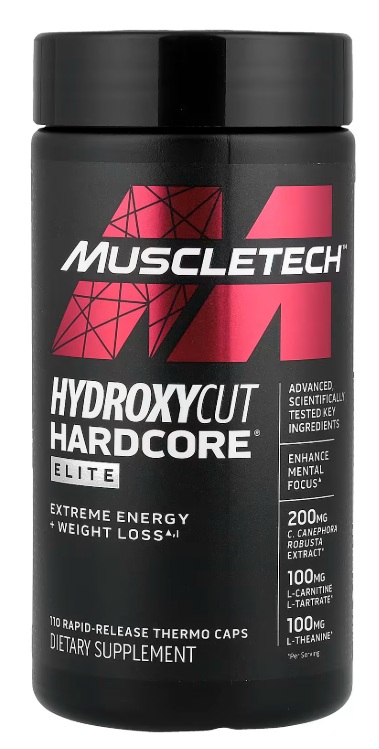
Q: How is this different from Hydroxycut or other thermogenics?
A: Hydroxycut and similar thermogenics work primarily through caffeine and other stimulants. They temporarily increase heart rate and energy expenditure for a few hours. For some women, the energy bump is welcome. For many women over 45 — especially those dealing with perimenopausal sleep disruption, anxiety, or who have been told to watch their cardiovascular health — high-stimulant formulas are unsuitable. Luminae is non-stimulant. It works on resting metabolic rate at the tissue level rather than through caffeine-driven heart rate increases.
Q: I've tried Ozempic, Wegovy, or Mounjaro. How is this different?
A: GLP-1 drugs work primarily through appetite suppression — they make you eat less. That's a real mechanism and they're highly effective when they work. The issues most women report are side effects (nausea, GI distress, muscle loss), cost (often $1,000+ monthly without insurance), and rebound weight gain when stopped. Luminae works through a different mechanism — supporting resting metabolic rate rather than suppressing appetite. The two approaches are not equivalent. Many women use Luminae because GLP-1 drugs aren't an option for them due to cost, side effects, or medical history. If you're currently on a GLP-1 medication, talk to your healthcare provider before adding any supplement.
Q: Why is the serving only 15 days per bottle?
A: The 7-Keto compound in Luminae is unusually expensive to produce — it's a specific clinical-grade ingredient that very few supplement manufacturers use. Most "7-Keto" products on the market use much lower doses than the clinical research supports. Luminae uses the dose studied in the published trials, which is why the cost per bottle is what it is. The 365-day guarantee gives you complete protection — try it, see if it works, return it if it doesn't.
Q: What if I'm in perimenopause or menopause?
A: The cortisol-metabolism connection becomes especially relevant during perimenopause and menopause. Hormonal shifts increase cortisol sensitivity in many women, which can suppress resting metabolic rate at exactly the time when it's already declining due to age. Luminae doesn't replace hormone therapy, doesn't interact with estrogen or progesterone, and doesn't address hormonal symptoms directly. It supports the metabolic rate that's being affected by the hormonal shifts. Many women use it alongside hormone replacement therapy.
Q: I'm on hormone replacement therapy (HRT). Is this safe?
A: Luminae does not contain hormones. The 7-Keto compound is a non-hormonal metabolite — it does not convert to estrogen, testosterone, or other sex hormones. There are no known interactions with HRT. As with any supplement, consult your healthcare provider if you take prescription medications.
Q: How long until I notice a difference?
A: Most users report noticing changes in energy and how clothes fit within 2-4 weeks. The clinical trial that documented the 7.2% RMR increase used an 8-week protocol. Full benefits typically establish by 90 days. The 365-day guarantee gives you more than enough time to evaluate — unlike the 30-day guarantees most competitors offer.
Q: I've hit a weight loss plateau. Can this help?
A: Weight loss plateaus often happen when your body has adapted to your current calorie intake by lowering its resting metabolic rate — sometimes called "adaptive thermogenesis" or "metabolic adaptation." Your body is burning fewer calories at rest than it used to, which is why the same diet that worked initially stops working. Luminae is designed for exactly this situation — supporting RMR where it's been suppressed. The Zenk 2007 study specifically documented that 7-Keto supported metabolic rate in subjects on calorie-restricted diets, which is the textbook plateau scenario.
Q: I count my calories and I'm in a deficit. Why am I still not losing?
A: This is one of the most common experiences for women over 45 — being in a measurable calorie deficit and still not losing weight. Two things are usually happening at once: your resting metabolic rate has dropped (so the deficit you calculated against an outdated TDEE is smaller than you think), and cortisol-driven water retention and fat storage signals are working against you. Both are real, measurable, and address the same underlying issue: your metabolism isn't responding the way it used to. Luminae works on the metabolic rate side of that equation.
Q: Is this safe with my other medications?
A: The 7-Keto compound in Luminae has been used in clinical trials and as a supplement for over two decades with a strong safety record. It is not known to interact with most common medications. As with any supplement, consult your healthcare provider if you take prescription medications, particularly thyroid medications, diabetes medications, or weight-loss prescriptions.
Advertiser Disclosure:
This website is owned and operated by Yopti, LLC, the owner of brands such as SANE:MD and PRO60+.
Causes of ailment or condition vary amongst individuals. It is important that each visitor perform due diligence before purchasing anything recommended by this site, and verify with the manufacturer any claim about the products or services they provide. Results mentioned in testimonials and references are real, but not typical. They are to be used as examples only. This site may contain affiliate links or other forms of compensation.
Medical Disclaimer
The content provided on this website is for informational purposes only and should not replace professional medical guidance. If you currently have, anticipate having, or believe you might have any health condition, we strongly recommend consulting with a qualified healthcare professional. The Food and Drug Administration has not reviewed these statements. The products discussed are not meant to diagnose, treat, cure, or prevent any illness or health condition.
Compensation and Affiliate Relationships
This website develops rankings and assessments of leading market products. We may earn compensation from certain companies whose products we feature on our platform. Consequently, we receive payment when you make purchases through links provided on our website. This compensation could influence how and where products are displayed on our site, including their ranking order. Please note that this site does not encompass or evaluate every product within each category, and individual results may vary.
References:
- Zenk, J. L., Frestedt, J. L., & Kuskowski, M. A. (2007). HUM5007, a novel combination of thermogenic compounds, and 3-acetyl-7-oxo dehydroepiandrosterone: each increases the resting metabolic rate of overweight adults. Journal of Nutritional Biochemistry, 18(9), 629-634.
- Zenk, J. L., Helmer, T. R., Kassen, L. J., & Kuskowski, M. A. (2002). The effect of 7-Keto Naturalean on weight loss: A randomized, double-blind, placebo-controlled trial. Current Therapeutic Research, 63(4), 263-272.
- Henning, P. C., Park, B. S., & Kim, J. S. (2003). Mechanism of competitive inhibition of 11β-HSD1 by 7-oxo-dehydroepiandrosterone. Biochemical and Biophysical Research Communications.
- Kalman, D. S., Colker, C. M., Swain, M. A., Torina, G. C., & Shi, Q. (2000). A randomized, double-blind, placebo-controlled study of 3-acetyl-7-oxo-dehydroepiandrosterone in healthy overweight adults. Current Therapeutic Research, 61(7), 435-442.
- Bobyleva, V., Bellei, M., Kneer, N., & Lardy, H. (1997). The effects of the ergosteroid 7-oxo-dehydroepiandrosterone on mitochondrial membrane potential: possible relationship to thermogenesis. Archives of Biochemistry and Biophysics, 341(1), 122-128.
- Davidson, M., Marwah, A., Sawchuk, R. J., Marwah, P., Pawelczak, K., Maccubbin, A., & Lardy, H. (2000). Safety and pharmacokinetic study with escalating doses of 3-acetyl-7-oxo-dehydroepiandrosterone in healthy male volunteers. Clinical and Investigative Medicine, 23(5), 300-310.







 Only clinical 7-Keto protocol in the metabolism support category at this dosage