Advertising Disclaimer: This website is supported by its audience. The content is not a news article or independent review. We compare and rank products and may include affiliate links. This comparison and ranking has been sponsored by SANEsolution, LLC and Yopti, LLC. For more information, see Advertising Disclosure.
Dark circles aren't just about sleep. That's the first thing most women learn the hard way — after years of going to bed early, drinking water, and still waking up with dark shadows that make them look exhausted.
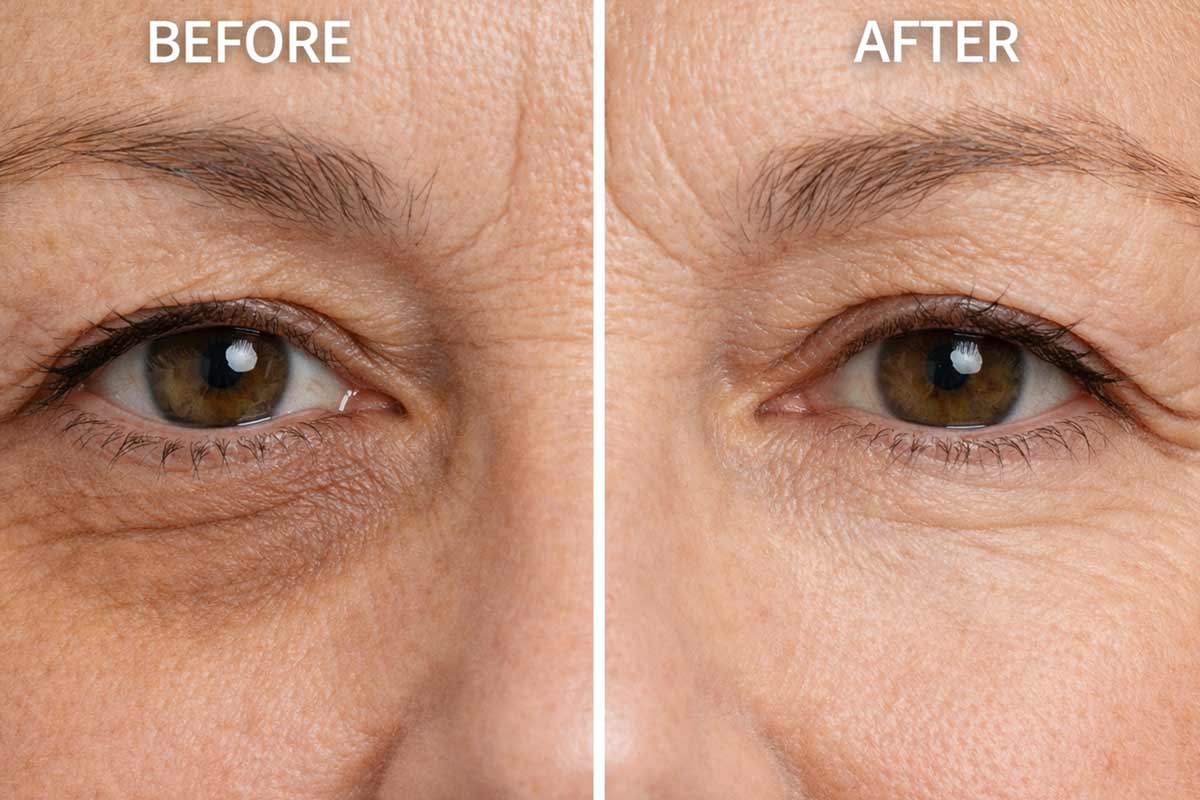
Dark circles have four distinct causes, and most eye creams only address one. The first is hyperpigmentation — excess melanin production under the eye from sun exposure, genetics, or hormonal changes. The second is thin skin — as collagen depletes with age, the skin under your eyes becomes translucent, making the blood vessels underneath visible as a dark blue-purple hue. The third is volume loss — the fat pad under the eye shrinks over time, creating a hollow that casts a shadow even when there's no pigmentation issue. The fourth is fluid retention and poor circulation, which creates a puffy, discolored appearance.
Most eye creams contain one active ingredient — usually vitamin C for brightening or retinol for skin thickening. That means they address one of the four causes and leave the other three untouched. That's why your dark circles improve slightly but never fully resolve.
Concealer isn't a solution — it's a daily workaround. The average woman spends 15 minutes every morning concealing dark circles that a properly formulated eye cream could actually correct. The products that work target multiple pathways simultaneously: brightening pigmentation, thickening translucent skin, rebuilding collagen for lost volume, and supporting circulation.
After 50, dark circles accelerate. Skin thins faster, collagen depletes faster, pigmentation accumulates faster. The eye creams that worked in your 30s don't work anymore — you need a multi-pathway approach designed for mature under-eye skin.
We evaluated 47 eye creams on eight criteria specific to dark circles and under-eye bags:
47 Products Reviewed • 9,200+ Customer Reviews Analyzed • No Payment Accepted
| Rank | Product | Dark Circle Score | Key Mechanism | Price | Guarantee |
|---|---|---|---|---|---|
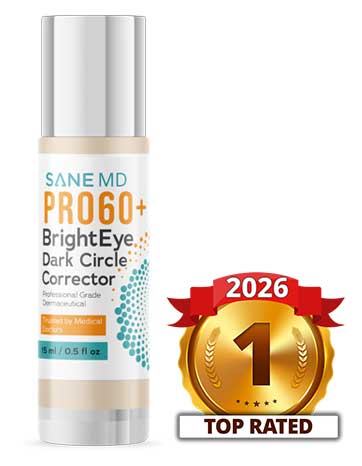
| 1 | PRO60+ BrightEye Dark Circle Corrector | Multi-pathway: retinol + 5 ceramides + collagen + brightening peptides | $XX (72% off) | 365-day | |
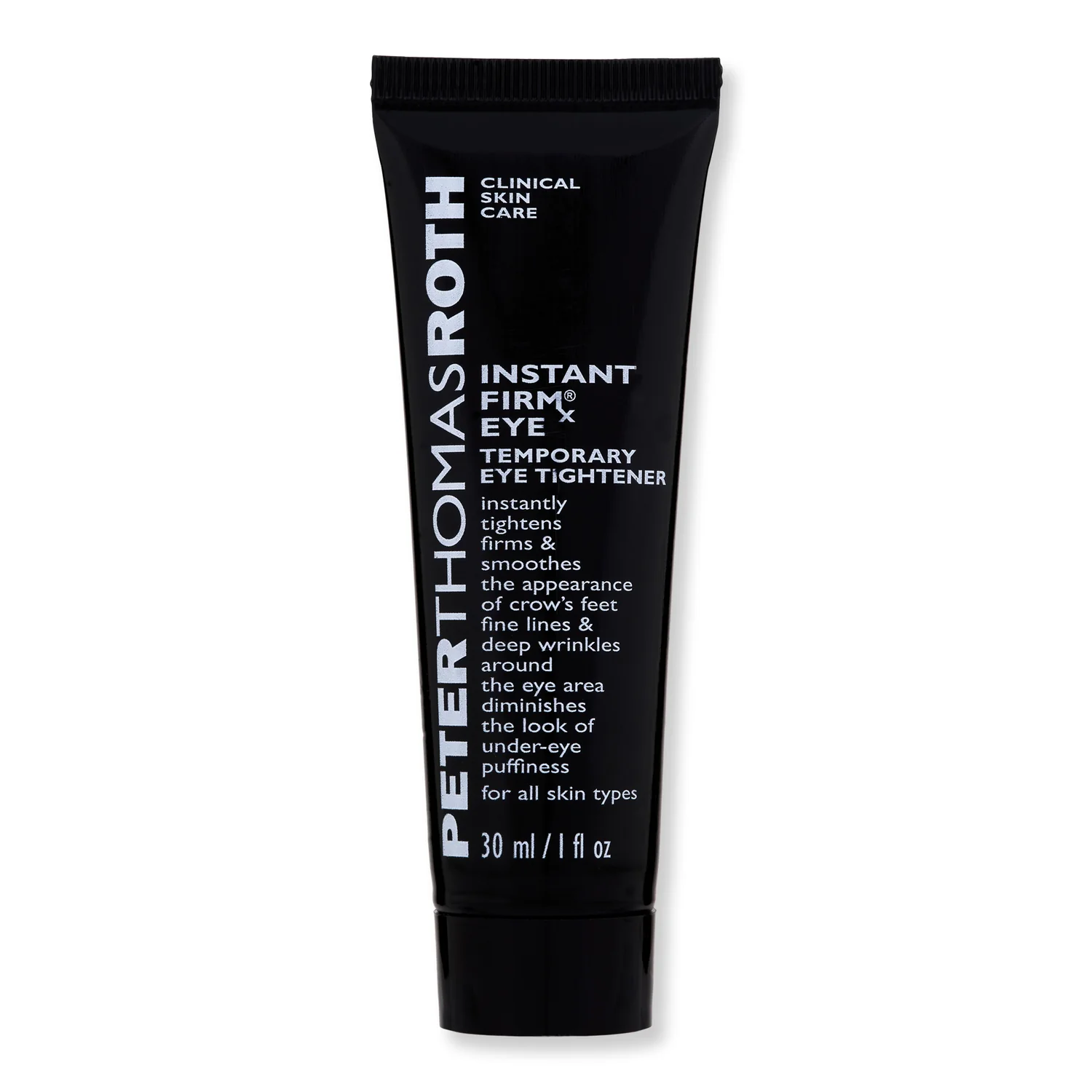
| 2 | Peter Thomas Roth Instant FirmX Eye | Instant visible tightening agent | $38-42 | 30-day | |
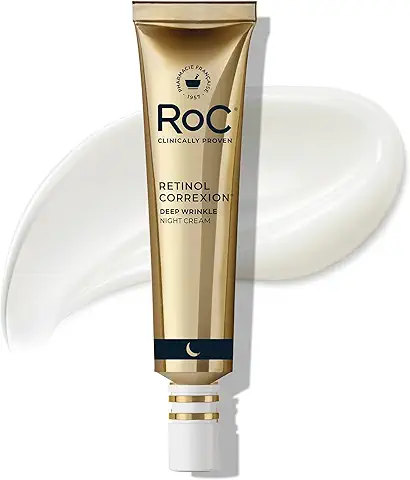
| 3 | RoC Retinol Correxion Eye Cream | Retinol only (thickens skin but doesn't brighten) | $25-30 | None | |
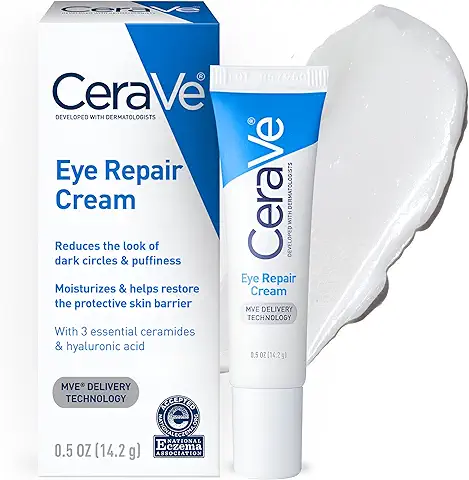
| 4 | CeraVe Eye Repair Cream | Ceramide hydration only — no dark circle actives | $12-16 | None | |
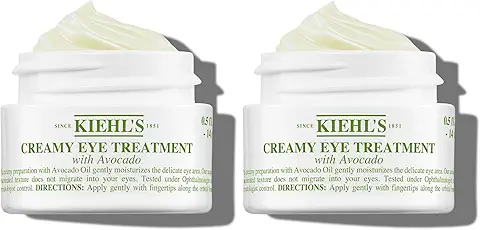
| 5 | Kiehl's Creamy Eye Treatment with Avocado | Moisturizer only — zero dark circle actives | $34+ | None |
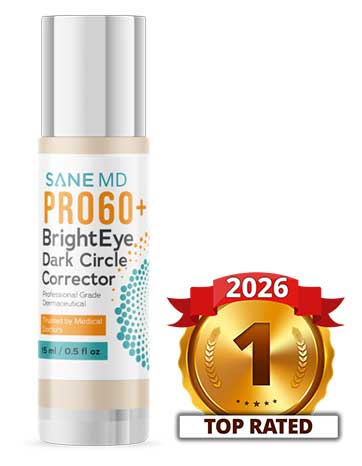
The reason is straightforward: it's the only formula in our testing that targets all four causes of dark circles simultaneously.
Thin skin showing blood vessels? Retinol thickens the under-eye skin over time, making vessels less visible.
Hyperpigmentation? Brightening actives address melanin accumulation at the source — not just on the surface.
Volume loss creating shadows? Peptides and hydrolyzed collagen support the structural integrity of the under-eye area, reducing the hollow, sunken look.
Compromised barrier? Five ceramides protect and restore the ultra-thin under-eye skin, keeping it hydrated and resilient.
Every other product in our top 5 does one of these things. PRO60+ BrightEye does all four. That's why it earned the top spot.
And the 365-day guarantee means you have a full year to see the results — not 30 days, which isn't long enough for any treatment eye cream to show its full effect.
Beyond our top 5, we evaluated 47 additional eye creams across drugstore, prestige, medical-grade, and direct-to-consumer categories. None of them addressed all four causes of dark circles in a single formula. Tap any category below to see what we found and where each fell short.
Olay's eye cream targets puffiness with caffeine and brightens with niacinamide — but offers no retinol for thin skin and no peptide system for volume loss. Two of the four causes of dark circles go unaddressed. Reviews consistently mention initial brightening that plateaus after 4-6 weeks because the structural causes — thinning skin and hollow shadows — keep returning the under-eye to its original state.
Neutrogena's retinol formula thickens the under-eye skin over time — addressing one of the four dark circle causes. But it's positioned for wrinkle reduction, not pigmentation, with no brightening agents and no peptide support for volume loss. For a buyer dealing with hereditary or sun-induced dark pigmentation, this product cannot reach the actual cause.
L'Oreal Revitalift uses a low-strength pro-retinol that's gentle but slow — most users report needing 12+ weeks for visible thickening. The caffeine helps morning puffiness but offers nothing for hyperpigmentation or volume loss. A two-of-four formula at a drugstore price point.
Garnier's roller delivers an instant cooling effect from the metal applicator and temporary brightness from caffeine — but the formula contains no retinol, no peptides, and no ceramides. It's a morning de-puffer, not a corrective treatment. Once the cooling fades, the dark circles return unchanged.
Pond's is a moisturizer marketed as an eye treatment. No retinol, no brightening actives, no peptides, no ceramide system. For mature under-eye skin dealing with the four causes of dark circles, hydration alone is insufficient.
Eucerin's Q10 formula targets fine lines through antioxidant support but offers no retinol for skin thickening, no brightening agents, and no peptide complex for volume restoration. A pharmacy-counter option that addresses none of the four direct dark circle causes.
Aveeno's botanical-forward formula prioritizes a gentle sensory experience over corrective performance. The active concentrations are low, the brightening case is weak, and the product makes no meaningful claims about dark circles, hollows, or pigmentation correction.
NIVEA's Q10 eye cream is positioned for wrinkles and firming, not dark circles. No retinol, no brightening complex, no peptide system for volume loss. For the dark circle buyer specifically, this product solves the wrong problem.
La Roche-Posay Toleriane is a soothing formula designed for reactive, sensitive skin — built to calm, not to correct. It offers no retinol, no brightening agents, and no peptide system. Excellent for irritation; insufficient for dark circles, hollows, or pigmentation.
Vichy's LiftActiv Eyes targets wrinkles and morning puffiness through caffeine and a plant sugar complex. It offers no retinol-based skin thickening and no brightening pathway. A two-of-four formula sold at a French-pharmacy price premium.
Drunk Elephant's C-Tango is one of the strongest brightening-focused eye creams on the market — and that's exactly its limitation. The formula bets the entire farm on vitamin C for hyperpigmentation. There's no retinol for thin-skin thickening, which means the most common cause of dark circles in mature skin (translucent under-eye revealing blood vessels) goes untreated. A one-pathway product at a four-pathway price.
Sunday Riley's Auto Correct is a morning de-puffer with botanical brightening — fast on first impression, weak on long-term structural correction. The formula contains no retinol, no peptide complex for volume loss, and no ceramides for barrier protection. Reviews note "feels great instantly, doesn't change anything in 8 weeks."
Origins GinZing is engineered for the morning puffy-eye moment. The caffeine kick is real and immediate. But the formula contains no retinol, no brightening complex for pigmentation, and no peptide system for hollows. A 6am de-puffer, not a dark circle corrector.
Clinique All About Eyes is a category staple — and its mechanism is honest: it's a moisturizer with light-diffusing pigments that visually soften shadows. The dark circles aren't corrected; they're optically masked. Once the product wears off, the shadows return unchanged.
Tatcha's Silk Peony delivers a luxurious sensory experience — silky texture, beautiful packaging, signature scent. The peptide content is real but modest, and the formula contains no retinol and no significant brightening pathway. A spa-feel product priced at $68 that addresses one of four causes.
Glow Recipe's overnight mask delivers a low-strength encapsulated retinol — gentle for nightly use, slow to show results. The avocado oil is hydrating; the coffeeberry offers mild antioxidant support. But there's no dedicated brightening complex and no peptide system. A retinol-light product that solves one cause partially.
Belif's Eye Bomb is a botanical hydrator drawn from herbal apothecary tradition — pleasant, gentle, hydrating. But it contains no retinol, no brightening actives, no peptide system. For dark circles, this is moisturizer dressed as treatment.
Caudalie's resveratrol gel is positioned for firming and morning puffiness. It contains no retinol for skin-thickening over time, no significant brightening complex for pigmentation, and no peptide system for volume loss. A two-of-four formula in beautiful French packaging.
First Aid Beauty's Eye Duty addresses morning puffiness and surface brightening — a solid daytime de-puffer. But there's no retinol, no peptide complex, and no ceramide system. For mature under-eye skin needing structural correction, this product covers the surface only.
Fresh's Black Tea cream offers antioxidant support and modest peptide content — a soft-edged anti-aging approach. But the formula has no retinol, no significant brightening pathway for pigmentation, and no de-puffing complex strong enough to address fluid retention. A one-and-a-half pathway product.
Farmacy Bright On is a brightening + de-puffing combo built on vitamin C and caffeine. Both pathways are real but neither runs deep — the vitamin C concentration is modest, and the formula contains no retinol or peptides. A two-of-four formula in clean-beauty branding.
Olehenriksen's Banana Bright went viral on the visual brightness it delivers — and the mechanism is largely cosmetic. Banana powder pigments physically brighten the under-eye on contact. The vitamin C is real but the structural elements (retinol, comprehensive peptide system, ceramides) are missing. Like Clinique All About Eyes, the dark circles aren't being corrected — they're being visually softened.
StriVectin's eye cream is built on the brand's signature NIA-114 niacinamide derivative — a competent multi-tasker that addresses moderate brightening and mild firming. But there's no retinol and the peptide system is light. A solid two-and-a-half pathway product without the comprehensive coverage needed for severe or hereditary dark circles.
Estée Lauder's Advanced Night Repair Eye is the prestige-counter staple — proven, well-tolerated, and consistently moisturizing. The Chronolux complex supports natural skin renewal, but the formula contains no retinol and no comprehensive brightening pathway. A solid two-of-four formula at a $68-$85 price that rewards loyalty more than it corrects dark circles.
SK-II's Pitera fermentation is the brand's hallmark — beautifully tolerated and visibly hydrating. The niacinamide offers brightening support. But the formula contains no retinol for thin-skin thickening and no peptide system for volume loss. A premium-priced two-of-four formula whose loyal users buy the brand experience as much as the result.
Charlotte Tilbury's Magic Eye Rescue includes a low-strength retinol — a real ingredient at a real concentration, addressing the thin-skin pathway. But the brightening case is weak (no dedicated vitamin C complex), the peptide system is minor, and the price is set for the celebrity-brand premium. One-and-a-half pathways at a four-pathway price.
Augustinus Bader's TFC8 platform is the brand's central technology — a proprietary peptide-amino acid signaling complex with genuine hydration and barrier support. But the formula contains no retinol and no concentrated brightening pathway. At $250 for 0.5oz, the cost-per-cause-addressed math is tough to justify versus a multi-pathway formula.
Sisley's eye cream is a botanical-luxury formula with a competent peptide complex and strong sensory experience. But there's no retinol for skin thickening and the brightening case relies on plant extracts rather than proven actives. A one-and-a-half pathway product priced at $260+ that depends heavily on brand cachet.
Tata Harper's Restorative Eye Crème is a fully natural, farm-to-bottle formula. The peptide content is real but botanical-derived, the actives are gentle, and the formula contains no retinol or significant brightening pathway. For buyers committed to all-natural, this is well-made — but it cannot match the corrective coverage of a multi-pathway clinical formula.
Dior's Capture Totale eye serum delivers a luxurious texture and a genuine peptide complex. But like most prestige lines, the formula contains no retinol and the brightening case is weak. A one-and-a-half pathway product priced for the Dior boutique experience.
Guerlain's Abeille Royale eye treatment is a botanical-prestige formula built around bee-derived ingredients with mild brightening and hydration. No retinol, no peptide system strong enough for volume loss, and the brightening pathway depends on royal jelly rather than proven actives.
SkinMedica's TNS Eye Repair uses growth factor technology — a premium clinical platform with real peptide content. But the formula contains no retinol, and the brightening pathway is limited to niacinamide. A solid two-of-four formula priced at the medical-grade premium that still leaves the thin-skin and volume-loss pathways under-served.
Obagi's ELASTIderm targets elasticity and firmness through a bi-mineral approach — a competent firming formula. But it contains no retinol, no comprehensive brightening complex, and no significant peptide content for volume loss. The bi-mineral case is unique to Obagi but addresses one of four dark circle causes at most.
SkinCeuticals A.G.E. Eye Complex pairs proxylane (a proven hydrator) with optical diffusers that visually soften shadows. The mechanism is honest: this product partially corrects through hydration and partially masks through optics. But the masking component means the dark circles return when the product wears off. No retinol, limited brightening, no comprehensive peptide system.
Dr. Brandt's Needles No More gel uses caffeine for immediate de-puffing and a peptide blend for surface firming. The "needles no more" positioning sets up an injectable comparison the product cannot deliver on — there's no retinol, no brightening complex, and no pathway to address volume loss. A morning de-puffer in a bold marketing wrapper.
Murad's Retinal ReSculpt uses retinal (a stronger retinoid than retinol) + bakuchiol — a serious thin-skin thickening combo that addresses one cause well. But the brightening pathway is light (niacinamide only), and there's no dedicated peptide system for volume loss. A strong one-of-four formula that excels in its lane and ignores the other three causes.
ZO Skin Health's Intense Eye Cream is one of the more clinically respected formulas in the category — real retinol at a meaningful concentration, a ceramide system, and an antioxidant complex. But the dedicated brightening pathway for hyperpigmentation is missing, and the peptide content for volume loss is light. A strong two-of-four product that respects clinical formulation and still leaves the brightening and peptide pathways under-served.
Image Skincare's Vital C Eye Recovery is a hydrating brightener — competent vitamin C content and a hyaluronic acid base. But there's no retinol and no peptide system. A solid one-pathway product at a med-spa price.
COSRX's snail mucin formula is a K-beauty cult favorite for hydration and barrier support — and the peptide content is real. But there's no retinol, the brightening pathway depends entirely on niacinamide, and most US clinical data on snail mucin's dark circle effect is anecdotal. A two-of-four formula with strong sensory appeal and limited corrective range.
Some By Mi's retinol eye cream offers a meaningful retinol concentration in K-beauty packaging. The thin-skin pathway is addressed. But the brightening case is weak, the peptide system is light, and the formula was developed for Korean market preferences (gentler, slower) rather than US dermatology standards. A one-pathway product with real retinol and limited reach.
Beauty of Joseon's Revive Eye Serum combines retinal with ginseng in a hanbang-tradition formula — gentle, hydrating, with mild thin-skin support. The retinal is at a starter concentration, the brightening is niacinamide-only, and the peptide content is minimal. A traditional-medicine-inspired product at a low price point with limited corrective coverage.
Innisfree pairs starter-strength retinol with centella for a sensitive-skin-friendly approach. The thin-skin pathway gets a mild assist. But the brightening case is weak, the peptide content is modest, and the formula prioritizes gentleness over corrective potency. A one-and-a-half pathway product at K-beauty pricing.
Laneige's Perfect Renew Youth eye cream contains a real retinol concentration and a competent peptide blend. The thin-skin pathway is addressed. But there's no dedicated brightening complex for hyperpigmentation, and the de-puffing pathway is absent. A two-of-four formula with strong K-beauty positioning.
Shiseido Benefiance is a wrinkle-focused J-beauty formula — gentle, well-tolerated, with mild hydration and anti-aging support. But there's no retinol, no significant brightening complex, and no peptide system robust enough for volume loss. A one-of-four product at the prestige Japanese-skincare premium.
Sulwhasoo is the premium Korean hanbang-tradition brand. Its eye cream is built around ginseng and traditional botanicals — luxurious, well-formulated for the brand's heritage, with light anti-aging support. But there's no retinol, no concentrated brightening complex, and no peptide system. A botanical-prestige product priced like Western luxury with a one-of-four corrective profile.
TruSkin's Vitamin C Eye Cream is an Amazon-native bestseller built on a brightening + de-puffing combo. The vitamin C concentration is moderate, the caffeine works for morning puffiness, but the formula contains no retinol and no peptide system. A two-of-four formula at an aggressive Amazon price point.
Eva Naturals stuffs an ingredient list onto the back label that reads like a clinical formula — but the active concentrations are low across the board. Each ingredient gets a mention; none gets a meaningful dose. An impressive ingredient deck masking thin clinical performance.
Body Merry's Age Defense Eye Cream advertises a comprehensive ingredient list at an Amazon price point. The retinol is encapsulated and gentle, the caffeine handles puffiness, the peptides are present at modest levels. But the brightening pathway is absent and the active concentrations are calibrated for affordability rather than potency.
Pure Biology's Total Eye Cream lists every fashionable active in the category — retinol, peptides, caffeine, stem cells. The breadth is real; the depth is not. Each pathway gets a mention without the concentration to deliver structural change. An ingredient-list-as-marketing product.
Baebody's Eye Gel went viral on Amazon for the price-to-bottle-size ratio. The formula is a caffeine + vitamin E gel with botanical extras — pleasant on application, weak on correction. No retinol, no significant brightening, no peptide system.
Mario Badescu's Hyaluronic Eye Cream prioritizes hydration and barrier support — solid daily moisturizer with mild peptide content. But there's no retinol, no brightening complex, and no comprehensive corrective pathway. A daily eye moisturizer marketed as a treatment.
Versed's Sunday Morning Eye Cream is a clean-beauty drugstore option — mild brightening from niacinamide, de-puffing from caffeine, vitamin K for vascular support. But there's no retinol and no peptide system. A morning-routine de-puffer at a sub-$20 price.
BABE Original's Eye Lift uses a dedicated peptide stack with real names (Argireline, Matrixyl) — addressing the volume-loss pathway with credibility. But the formula contains no retinol for thin-skin thickening and no brightening complex for hyperpigmentation. A focused two-of-four formula that does its lanes well and doesn't pretend to do more.
Hydroxatone's eye cream is built on the older infomercial-era peptide stack. Argireline and Matrixyl are real ingredients, but the formulation hasn't kept pace with the field. No retinol, no modern brightening complex, no ceramide system.
Nip+Fab's Retinol Fix is positioned for a younger drugstore-shopper with modest retinol content. The caffeine handles puffiness; the retinol does light thin-skin work. But there's no brightening pathway, no peptide system, and the active concentrations are calibrated for early-stage skincare users.
Compleat Skincare's Total Eye 3-in-1 bundles a tinted color corrector + sunscreen + skincare into one product. The convenience is real — but the multi-task design means each function is compromised. The treatment actives are diluted by the cosmetic and SPF requirements. A do-everything product that masters none of the four causes.
Olay's Regenerist Retinol 24 line bumps Olay's standard formula up with retinol — a real concentration that addresses the thin-skin pathway. The niacinamide adds a brightening assist. But the dedicated brightening complex is light and the peptide system isn't strong enough for volume loss. A one-and-a-half pathway upgrade in drugstore packaging.
Across 47 products tested, the pattern was consistent: every formula addressed one or two of the four causes of dark circles. None addressed all four.
PRO60+ BrightEye Dark Circle Corrector remained the only multi-pathway formula in our testing — combining retinol for thin-skin thickening, brightening peptides for hyperpigmentation, hydrolyzed collagen for volume restoration, and 5 ceramides for barrier protection in a single application.
Try PRO60+ BrightEye Dark Circle Corrector — 72% Off
A: It depends on the cause. Dark circles from hyperpigmentation (excess melanin) respond well to brightening agents and retinol. Dark circles from thin skin (where you see veins through the skin) respond to retinol and collagen-building ingredients that thicken the under-eye area over time. Dark circles from volume loss (hollowing that creates shadows) are the hardest to address topically — they respond best to multi-pathway formulas that rebuild collagen density. Dark circles from bone structure or very deep hollowing may require professional intervention. For most women, a multi-pathway eye cream can make a significant visible difference within 6-8 weeks.
A: Instant-effect products like Peter Thomas Roth FirmX show results in minutes but wash off in hours. For actual correction: brightening ingredients typically show visible pigmentation improvement in 2-4 weeks. Retinol-based skin thickening takes 4-8 weeks. Collagen density restoration for volume takes 6-12 weeks. That's why we recommend a minimum 60-day evaluation period and why PRO60+ BrightEye's 365-day guarantee matters — it gives you time to see real results, not just the first-week impression.
A: No. Dark circles are discoloration — pigmentation, vein visibility, or shadows from hollowing. Bags are puffiness — fluid retention or fat pad protrusion. They often occur together but have different causes and need different treatment approaches. PRO60+ BrightEye addresses dark circles through multiple pathways and also provides de-puffing support through its circulation-boosting ingredients.
A: Yes, especially in the first 2-4 weeks while the active ingredients take effect. A corrective eye cream is a long-term treatment; concealer is your short-term solution. Over time, as the eye cream addresses the underlying causes, you'll likely need less concealer. Many women report going concealer-free after 6-8 weeks.
A: No. Dark circles respond to treatment at any age. The key for mature skin is choosing a formula with ceramides and collagen support (not just a single active like vitamin C) because the skin barrier and collagen density are lower in mature skin, which means the product needs to do more than just brighten — it needs to rebuild the structure underneath. PRO60+ BrightEye was formulated specifically for mature skin with this multi-pathway approach.
A: Under-eye skin is the most sensitive on your body, so this is a fair concern. PRO60+ BrightEye formulates its retinol at a concentration calibrated for this area and buffers it with ceramides and soothing agents. Most users report no irritation. If you have extremely sensitive skin, apply every other night for the first week and increase to nightly.
PRO60+ BrightEye Dark Circle Corrector targets all four causes of dark circles — pigmentation, thin skin, volume loss, and poor circulation. 365-day money-back guarantee. If your dark circles don't visibly improve, you pay nothing.
365-day guarantee. Doctor-formulated. Made in USA.
PRO60+ BrightEye ranked #1 because it's the only eye cream in our testing that targets all four causes of dark circles in a single formula.
Most eye creams pick one lane. A retinol eye cream builds skin thickness but doesn't address pigmentation. A vitamin C eye cream brightens but doesn't rebuild collagen. A ceramide eye cream protects the barrier but doesn't do anything about the dark circles themselves.
PRO60+ BrightEye combines retinol (to thicken thin under-eye skin and reduce vessel visibility), vitamin C derivatives and brightening actives (to address hyperpigmentation), peptides and hydrolyzed collagen (to restore volume in the hollow under-eye area), and five ceramides (to protect and strengthen the ultra-thin under-eye barrier).
The result is a formula that works on dark circles regardless of which of the four causes is driving yours — because it addresses all of them.
The tradeoff: this isn't an instant fix. It takes 2-3 weeks for visible improvement and 6-8 weeks for full results. If you need to look great at a wedding this Saturday, Peter Thomas Roth FirmX (#2) is a better choice for tonight. But if you want to actually correct your dark circles rather than temporarily hide them, this is what we'd recommend.
The 365-day money-back guarantee is the longest in the category by far — most competitors offer 30 days, which isn't enough time to see results from any treatment eye cream.
If you need your under-eye area to look better in the next 30 minutes, FirmX is the product to reach for. It uses a temporary tightening agent that visibly lifts and smooths the under-eye area almost immediately after application.
It's genuinely impressive — you can watch it work in real time. Bags deflate, skin tightens, the whole under-eye area looks firmer.
The problem: it washes off. Take a shower, rub your eyes, or just wait 4-6 hours, and you're back to where you started. FirmX is makeup for your under-eye skin — it conceals the problem without fixing it.
There's also an irritation issue. The tightening agent can feel uncomfortably tight on sensitive skin, and repeated use can cause dryness, flaking, and redness in the under-eye area. Several reviewers noted that it made their skin look worse on days they didn't use it after extended use.
It has its place — genuinely useful before a photo, event, or date. But it's not a dark circle treatment. It's a dark circle concealer.
RoC has been a trusted name in retinol for decades, and their eye cream delivers on one specific promise: thickening thin under-eye skin over time.
Retinol accelerates cell turnover and stimulates collagen production. Over 8-12 weeks, this makes the skin under your eyes denser and less transparent — so the blood vessels that create that bluish-purple shadow become less visible.
The limitation is that RoC only addresses one of the four dark circle causes. If your circles are primarily from pigmentation (brownish discoloration), RoC doesn't include meaningful brightening actives. If they're from volume loss (hollowing), retinol alone doesn't restore lost fat pad volume. If they're from fluid retention (puffiness), there's nothing in this formula for that.
The retinol concentration can also irritate the under-eye area, especially in the first 2-3 weeks. Several reviewers noted redness and flaking during the adjustment period.
At $25-30, it's an affordable option if you know thin skin and vessel visibility is your primary issue. But most women over 50 have multiple dark circle causes, and RoC only targets one.
CeraVe Eye Repair Cream is a genuinely good moisturizer for the under-eye area. It contains three ceramides and hyaluronic acid to hydrate and protect the skin barrier. It's fragrance-free, ophthalmologist-tested, and gentle enough for even the most sensitive skin.
Here's the honest truth: if your dark circles are caused by dry, dehydrated under-eye skin making everything look worse, CeraVe will help. Hydrated skin looks plumper, smoother, and slightly brighter.
But CeraVe contains no retinol, no vitamin C, no peptides, no brightening actives — nothing that directly addresses the causes of dark circles. It's a moisturizer, not a treatment. If dehydration is making your circles look 20% worse, CeraVe can fix that 20%. The other 80% requires actives this formula doesn't contain.
It's an excellent base layer — in fact, we'd recommend it as a prep step under a treatment eye cream for women with very dry, sensitive under-eye skin. But on its own, it's not a dark circle solution.
Kiehl's Avocado Eye Cream is one of the most popular eye products in the world. It has a devoted fanbase, a rich creamy texture, and a reputation built over decades.
It's also one of the most overhyped products for dark circles.
The formula is essentially avocado oil, shea butter, and beta-carotene in a rich cream base. These are moisturizing ingredients. There is nothing in this formula that addresses dark circle pigmentation, under-eye volume loss, skin thinning, or any structural cause of dark circles.
We tested it because so many readers asked about it. The results confirmed what the ingredient list already told us: excellent moisturization, zero dark circle improvement after 8 weeks of use.
The avocado oil base can also cause milia — tiny white bumps under the eyes — in users with oily or acne-prone skin. Several reviewers noted this issue.
At $34 for a small pot, you're paying a premium for a pleasant moisturizer with a famous name. If you love the texture and want a luxurious eye moisturizer, it's fine. If you want your dark circles to actually improve, you need actives this product doesn't contain.
This website is owned and operated by Yopti, LLC & SANESolution, LLC, the owners of brands such as PRO60 & SANEMD.
Causes of ailment or condition vary amongst individuals. It is important that each visitor perform due diligence before purchasing anything recommended by this site, and verify with the manufacturer any claim about the products or services they provide. Results mentioned in testimonials and references are real, but not typical. They are to be used as examples only. This site may contain affiliate links or other forms of compensation.
The content provided on this website is for informational purposes only and should not replace professional medical guidance. If you currently have, anticipate having, or believe you might have any health condition, we strongly recommend consulting with a qualified healthcare professional. The Food and Drug Administration has not reviewed these statements. The products discussed are not meant to diagnose, treat, cure, or prevent any illness or health condition.
This website develops rankings and assessments of leading market products. We may earn compensation from certain companies whose products we feature on our platform. Consequently, we receive payment when you make purchases through links provided on our website. This compensation could influence how and where products are displayed on our site, including their ranking order. Please note that this site does not encompass or evaluate every product within each category, and individual results may vary.