
Medical Disclaimer: This article is for informational purposes only and does not constitute medical advice. Consult your physician before starting any supplement regimen, especially if you have existing health conditions or are pregnant or nursing.
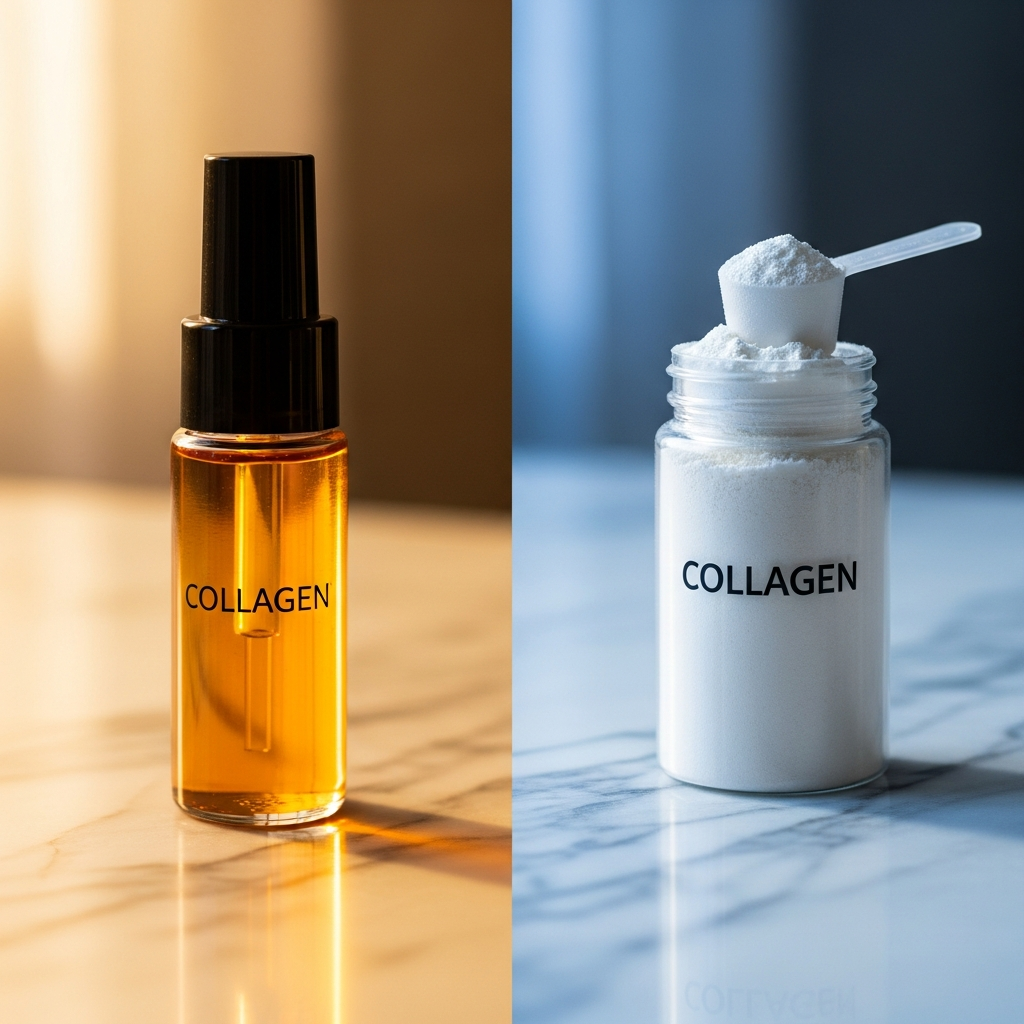
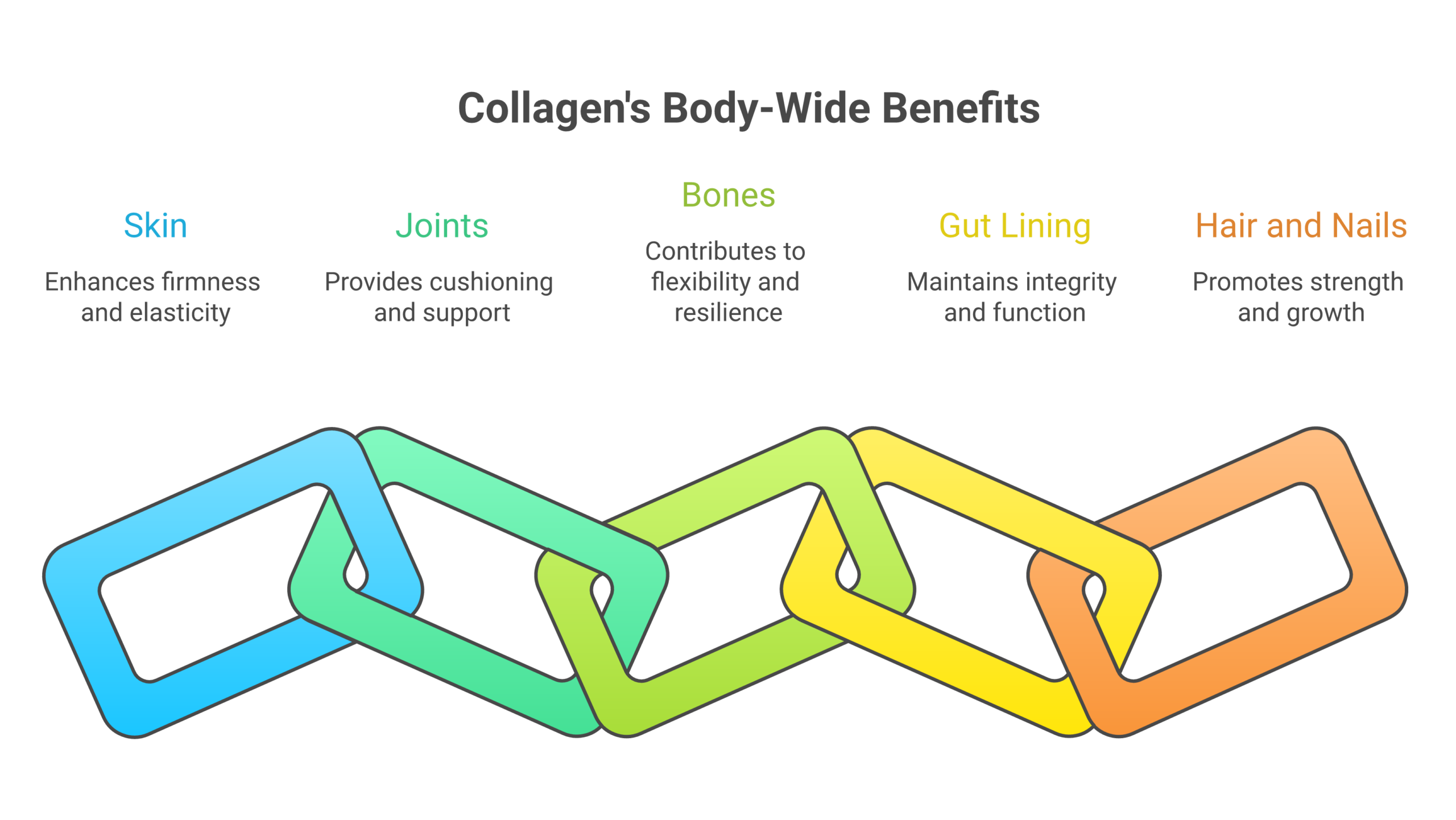
If you’ve been shopping for a collagen supplement, you’ve probably noticed two dominant formats on the shelf: liquid collagen and collagen powder. Both promise younger-looking skin, stronger joints, and better hair. But does the form actually matter? I’ve spent months reviewing the research, and the honest answer might surprise you. Once collagen is broken down into hydrolyzed peptides, your body absorbs it in much the same way regardless of whether it started as a liquid or a powder. The real differences come down to dosing, cost, convenience, and what else is in the bottle. Let me walk you through everything you need to know so you can pick the right format for your goals and budget. (see collagen supplementation research) (see collagen supplement evidence)
How Collagen Supplements Actually Work
Before comparing formats, it helps to understand what happens after you swallow a collagen supplement. Whether it’s collagen supplement in liquid or powder form, your digestive system breaks it down into smaller peptides and free amino acids. These fragments, primarily glycine, proline, and hydroxyproline, enter your bloodstream and travel to skin, joints, bones, and connective tissue.
A 2024 randomized, double-blind crossover study published in Frontiers in Nutrition confirmed that collagen hydrolysate is absorbed predominantly as di- and tri-peptides rather than individual amino acids. The study found comparable uptake of free hydroxyproline across different collagen hydrolysate formulations, meaning the peptide size matters far more than the delivery vehicle.
This is the critical point most marketing overlooks. The term “hydrolyzed” means the collagen protein has already been enzymatically broken into small peptides (typically 0.3 to 8 kDa in molecular weight). Once hydrolyzed, both liquid collagen and collagen powder contain essentially the same building blocks. Your stomach doesn’t care whether those peptides arrived dissolved in water or as a dry scoop.
Liquid Collagen: What You’re Actually Getting
Liquid collagen comes pre-dissolved, usually in small bottles or single-serve shots. Many products combine collagen with biotin, vitamin C, hyaluronic acid, or other ingredients marketed for skin and hair support. The convenience factor is real: twist the cap and drink. No blender, no shaker bottle, no clumps floating in your coffee.
Advantages of Liquid Collagen
- Zero prep time. Grab it from the fridge and go. This matters if you travel frequently or hate morning routines that involve mixing anything.
- Pre-measured doses. Each bottle or packet contains a fixed amount, which removes guesswork.
- Added nutrients. Many liquid collagen and biotin formulas include vitamin C (which supports natural collagen synthesis, per a 2017 review in Nutrients) and hyaluronic acid.
- Taste variety. Flavored liquids can be easier to take than unflavored powder for people who are sensitive to texture.
Drawbacks of Liquid Collagen
- Lower collagen per serving. Most liquid collagen products deliver 4 to 10 grams per dose. Compare that to powder, which typically provides 10 to 20 grams per scoop.
- Higher cost per gram. You’re paying for water, flavoring, preservatives, and packaging. A 30-day supply of liquid collagen often costs $40 to $80, while powder with double the collagen per serving runs $25 to $45.
- Preservatives and sweeteners. To keep liquid stable, manufacturers add preservatives like potassium sorbate or sodium benzoate. Flavored versions often contain sucralose, stevia, or added sugars.
- Shorter shelf life. Once opened, most liquid collagen products need refrigeration and should be consumed within days or weeks.
- Bulky packaging. Bottles take up more space than a bag of powder, and single-serve packets generate more waste.
Collagen Powder: The Full Picture
Collagen powder, sometimes called collagen power by shoppers searching online, is the most popular supplement format by sales volume. You’ll find it as unflavored hydrolyzed peptides that dissolve in hot or cold liquids, or as flavored blends designed for smoothies and coffee.
Advantages of Collagen Powder
- Higher doses per serving. Most powders deliver 10 to 20 grams of collagen peptides per scoop. A 2019 systematic review in the Journal of Drugs in Dermatology found that doses of 2.5 to 10 grams daily for 8 weeks or longer improved skin elasticity, hydration, and dermal collagen density (Choi et al.). Powder makes it easy to hit the upper end of that range.
- Better value. Gram for gram, powder is almost always cheaper. A quality organic grass fed collagen powder costs roughly $0.80 to $1.50 per 10-gram serving, while liquid collagen delivering 5 grams might cost $1.50 to $3.00 per serving.
- Fewer additives. Unflavored collagen powder is often just one ingredient: hydrolyzed collagen peptides. No preservatives, no sweeteners, no fillers.
- Mixing flexibility. Stir it into coffee, blend it into a smoothie, mix it with oatmeal, or add it to soup. You control what goes into your body alongside the collagen.
- Longer shelf life. Sealed powder stays potent for 1 to 2 years at room temperature. No refrigeration needed.
Drawbacks of Collagen Powder
- Mixing required. Some powders clump in cold liquids. You might need a blender or frother for a smooth result.
- Texture issues. Even “tasteless” powders can slightly thicken beverages or leave a faint aftertaste that bothers some people.
- Less portable. Carrying a tub of powder on a business trip isn’t ideal, though single-serve powder packets exist as a workaround.
Bioavailability: Does Form Actually Matter?
This is the question everyone wants answered, and the research is fairly clear. A 2017 study in the Journal of Agricultural and Food Chemistry showed that oral ingestion of collagen hydrolysate leads to transportation of the peptide Gly-Pro-Hyp and its hydrolyzed form Pro-Hyp into the bloodstream and skin (Yazaki et al.). The researchers measured blood levels after ingestion and found that these bioactive peptides were detected in both plasma and skin tissue.
A separate 2025 study published in Food Research International compared collagen peptide bioavailability when consumed in water versus coffee. The area under the curve (a standard pharmacological measure of total absorption) was similar in both groups. This finding suggests the dissolution medium, whether it’s pre-mixed liquid or powder stirred into a drink, doesn’t meaningfully change how much collagen your body actually absorbs.
The factor that does influence absorption is molecular weight. Collagen peptides with lower molecular weight (under 5 kDa) are absorbed more efficiently than larger fragments. Marine collagen peptides tend to have smaller fragment sizes than bovine sources, which may contribute to differences in absorption. But this difference relates to the collagen source and processing method, not whether it’s packaged as a liquid or powder.
Bottom line: if a liquid product and a powder product both contain the same type of hydrolyzed collagen peptides at the same dose, your body will absorb them similarly. The “90% absorption” claims you see on liquid collagen bottles aren’t backed by comparative studies showing superiority over powder.
Liquid Collagen vs Powder: Side-by-Side Comparison
| Factor | Liquid Collagen | Collagen Powder |
|---|---|---|
| Typical dose | 4-10 g per serving | 10-20 g per serving |
| Cost per 10g collagen | $1.50-$3.00 | $0.80-$1.50 |
| Absorption rate | Comparable (hydrolyzed peptides) | Comparable (hydrolyzed peptides) |
| Convenience | High (no mixing) | Moderate (mixing needed) |
| Additives | Preservatives, sweeteners, flavors common | Often single-ingredient (unflavored) |
| Shelf life | Weeks after opening (refrigerate) | 1-2 years (room temperature) |
| Portability | Easy (single-serve) | Moderate (packets help) |
| Flavor control | Pre-flavored | You choose (mix into anything) |
| Best for | Convenience seekers, travelers | Value seekers, higher-dose goals |
Grass-Fed Bovine vs Marine vs Conventional: Choosing Your Source
The collagen source can matter more than the format. Here’s what the research says about each.
Organic Grass Fed Collagen Powder
Grass-fed bovine collagen primarily provides Type I and Type III collagen. Type I is the most abundant collagen in human skin, bones, and tendons. Type III supports blood vessels, muscles, and organ structure. A 2022 market report valued global grass-fed collagen sales at $113.1 million, with projections reaching $279.6 million by 2033. Consumer demand for cleaner sourcing has driven that growth.
When choosing an organic grass fed collagen powder, look for third-party testing certifications (NSF, USP, or Informed Sport) and verification that the cattle were pasture-raised without hormones or antibiotics. The “grass-fed” label alone isn’t regulated by the FDA for supplements, so independent testing adds accountability.
Marine Collagen
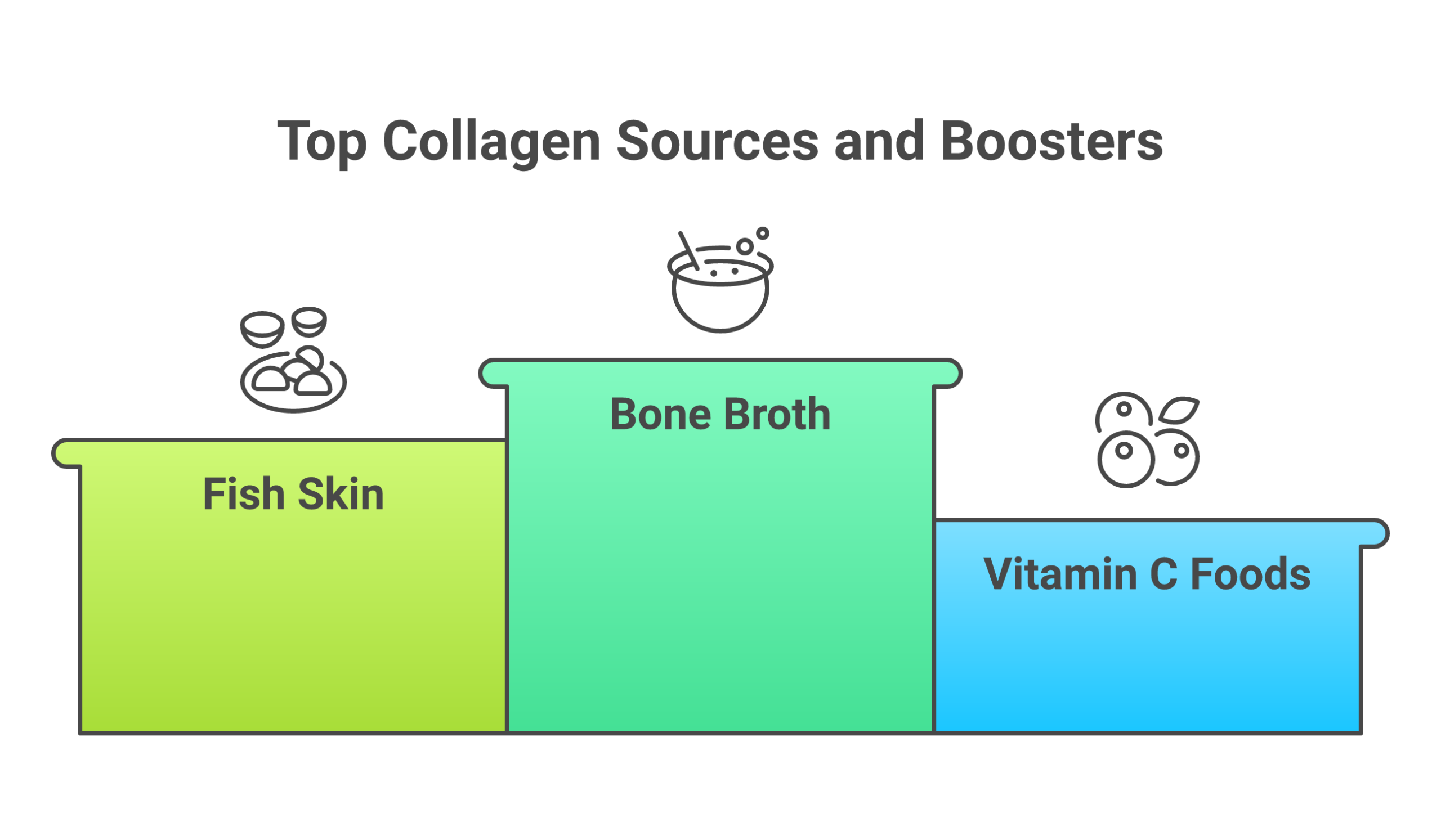
Marine collagen is extracted from fish skin and scales. It’s predominantly Type I collagen with smaller peptide fragments, which some research suggests may offer slightly better absorption. Several clinical trials have found that marine collagen peptides improved skin hydration, elasticity, and wrinkle depth after 8 to 12 weeks of daily use. Marine collagen is also a good option for people who avoid beef for dietary or religious reasons.
Conventional Collagen
Standard collagen supplements sourced from conventionally raised cattle or poultry cost less but may come from animals treated with antibiotics or hormones. The collagen peptides themselves are chemically identical once hydrolyzed, but consumers who prioritize sourcing standards often prefer grass-fed or marine options.
Liquid Collagen and Biotin: Does the Combo Help?
Many liquid collagen products include biotin (vitamin B7), marketing the combination as a one-stop solution for hair, skin, and nails. Is there science behind this pairing?
Biotin does play a role in keratin production. A 2017 review in Skin Appendage Disorders found that biotin supplementation improved hair and nail growth in individuals with documented biotin deficiency. However, biotin deficiency is uncommon in adults eating a varied diet. The National Institutes of Health notes that most Americans meet their biotin needs through food alone.
Collagen and biotin target different pathways. Collagen provides structural amino acids (glycine, proline, hydroxyproline) that support the extracellular matrix. Biotin supports keratin infrastructure. Taking both together isn’t harmful, but there’s no published evidence that combining them in one product produces synergistic effects beyond what each nutrient does independently.
If you’re already eating eggs, nuts, seeds, and whole grains, you’re likely getting enough biotin. In that case, a standalone collagen powder without added biotin may be more cost-effective. If you suspect a biotin deficiency (symptoms include brittle nails, thinning hair, and skin rashes), talk to your doctor about testing before supplementing.
What to Look for in a Collagen Supplement (Either Form)
Whether you choose liquid or powder, these quality markers matter:
- Hydrolyzed peptides. The label should say “hydrolyzed collagen” or “collagen peptides.” Whole collagen or gelatin is harder to absorb.
- Dose per serving. Aim for at least 5 grams daily. Most clinical studies showing skin and joint benefits used 2.5 to 10 grams per day (per the 2019 Journal of Drugs in Dermatology systematic review by Choi et al.).
- Third-party testing. Look for NSF International, USP, or Informed Sport certification. These verify that what’s on the label is actually in the product.
- Collagen type. Type I for skin and bones (found in both marine and bovine). Type II for joint cartilage (usually from chicken sternum). Type III for blood vessels and organs (bovine).
- Source transparency. The product should identify where the collagen comes from: wild-caught fish, grass-fed cattle, or pasture-raised poultry.
- Minimal additives. Fewer ingredients typically means fewer unknowns. Watch for added sugars, artificial colors, and unnecessary fillers.
For a detailed breakdown of specific products, check our verified collagen supplement reviews where we evaluate brands against these criteria.
Price Comparison: The Math Behind Each Format
Let’s look at typical pricing to put this in perspective:
Liquid collagen (popular brands): A 30-day supply of single-serve liquid collagen shots averages $45 to $75. Most provide 5 to 10 grams of collagen per serving. That works out to roughly $0.15 to $0.50 per gram of collagen.
Collagen powder (popular brands): A 30-serving tub of hydrolyzed collagen powder costs $25 to $45 on average. Most scoops deliver 10 to 20 grams. That works out to roughly $0.06 to $0.15 per gram of collagen.
On a per-gram basis, powder costs about one-third to one-half what liquid costs. Over a year of daily use, that difference adds up to $200 to $400 in savings. If you’re looking for what many consider the number 1 collagen powder format for value, unflavored grass-fed bovine powder typically wins on both dose and price.
Who Should Choose Liquid Collagen?
Liquid collagen makes the most sense if you:
- Hate mixing powders and won’t stick with a supplement that requires prep
- Travel frequently and need something portable without measuring scoops
- Want added nutrients (vitamin C, biotin, hyaluronic acid) in one product
- Are okay with a lower collagen dose per serving (under 10 grams)
- Don’t mind paying a premium for convenience
Who Should Choose Collagen Powder?
Collagen powder is the better fit if you:
- Want the highest collagen dose per serving (10-20 grams)
- Prefer controlling what’s in your supplement (fewer additives)
- Are budget-conscious and plan to supplement long-term
- Already have a morning routine that involves a drink you can mix powder into
- Want a longer shelf life without refrigeration
How Long Until You See Results?
Regardless of the format you choose, collagen supplementation takes time. A 2023 systematic review and meta-analysis in Nutrients analyzed 26 randomized controlled trials involving 1,721 patients and found that hydrolyzed collagen supplementation improved skin hydration and elasticity, with most benefits appearing after 8 to 12 weeks of consistent daily use (Pu et al.). Joint benefits may take longer, with some studies reporting improvements in joint pain after 12 to 24 weeks.
Consistency matters more than format. A powder you take every day will outperform a liquid you forget in the back of your fridge. Pick the form you’ll actually use, then stick with it for at least three months before evaluating results.
For more ways to support skin health through diet, see our guide to the best foods for gut health, since gut health directly affects nutrient absorption and skin condition. You may also want to explore how postbiotics compare to probiotics for supporting the gut-skin connection.
The Verdict
Liquid collagen and powder collagen deliver the same fundamental ingredient: hydrolyzed collagen peptides. The research shows no meaningful absorption advantage for either format. Your choice should come down to four practical factors: dose (powder wins), cost (powder wins), convenience (liquid wins), and ingredient simplicity (powder wins).
If I had to recommend one format for most people, I’d say start with a quality collagen powder. You get more collagen per serving, pay less per gram, avoid preservatives, and can mix it into whatever you’re already drinking. But if the convenience of liquid collagen means you’ll actually take it consistently, that matters more than saving a few cents per gram.
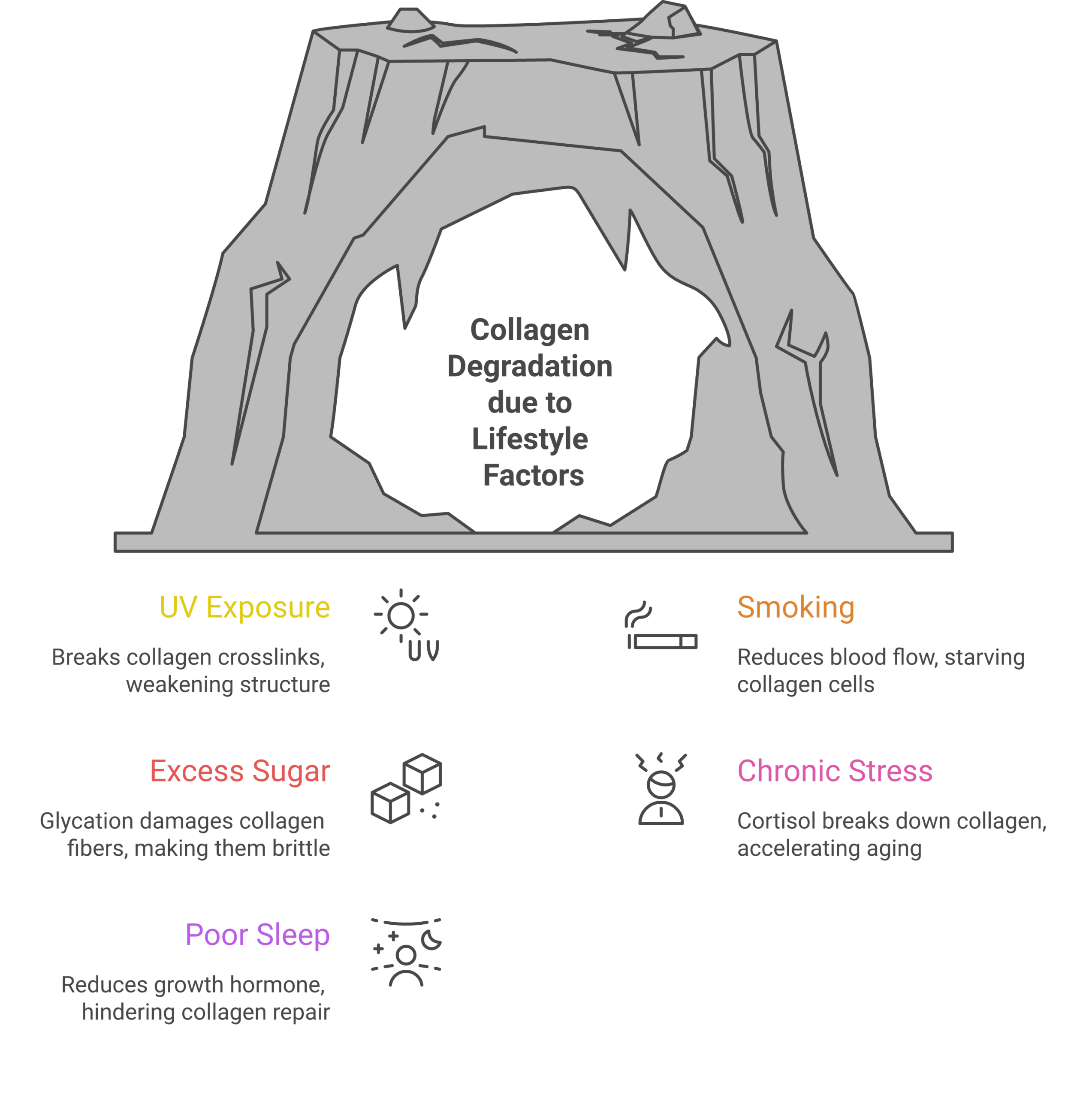
Whatever you choose, look for hydrolyzed peptides from a transparent source, aim for at least 5 grams daily, and give it 8 to 12 weeks. Check our verified collagen supplement reviews for specific product recommendations that meet these standards. And remember: no supplement replaces a balanced diet, adequate sleep, sun protection, and regular movement, all of which support your body’s own collagen production.
For topical collagen support, browse our wrinkle cream reviews to find products that complement oral supplementation. Learn more about Consumer Health Guide‘s approach to evidence-based supplement evaluation, or read about our review methodology to understand how we test and rate products.
You may also want to read our guide on vision supplements.
Frequently Asked Questions
Is liquid collagen absorbed faster than powder collagen?
Liquid collagen may begin digestion slightly sooner since it’s already dissolved, but the total amount absorbed is comparable. A 2024 study in Frontiers in Nutrition found that hydrolyzed collagen peptides show similar uptake regardless of the delivery format. What matters most is peptide size and molecular weight, not whether the product is liquid or powder.
Can I take liquid collagen and biotin together safely?
Yes, combining collagen and biotin is generally considered safe. Many liquid collagen products already include biotin. However, the National Institutes of Health notes that most adults get sufficient biotin from food. High-dose biotin supplements (above 10 mg) can also interfere with certain lab tests, including thyroid and cardiac biomarkers, so tell your doctor if you’re supplementing.
How much collagen should I take per day for skin benefits?
Clinical research suggests 2.5 to 10 grams of hydrolyzed collagen peptides daily for skin benefits. A 2019 systematic review in the Journal of Drugs in Dermatology found that 8 or more weeks at these doses improved skin elasticity and hydration (Choi et al.). Powder makes it easier to reach the higher end of this range.
Is grass-fed collagen better than regular collagen?
The collagen peptides themselves are chemically identical once hydrolyzed. The difference lies in sourcing practices. Grass-fed collagen comes from pasture-raised cattle not treated with antibiotics or added hormones. If sourcing standards matter to you, look for third-party certifications rather than relying on the “grass-fed” label alone, since the FDA doesn’t regulate that term for supplements.
Does marine collagen work better than bovine collagen?
Marine collagen provides primarily Type I collagen with smaller peptide fragments, which may absorb more readily due to their lower molecular weight. Bovine collagen provides both Type I and Type III. Neither is objectively “better.” Choose marine if you prioritize absorption efficiency or avoid beef. Choose bovine if you want Type III collagen for organ and muscle support.
What is the best way to take collagen powder?
Mix collagen powder into hot or cold liquid: coffee, tea, smoothies, water, or soup all work. Taking it with a source of vitamin C (like citrus juice or berries) may support your body’s own collagen synthesis, based on a 2017 review in Nutrients. Consistency matters more than timing. Take it whenever you’ll remember to take it daily.
How long does it take for collagen supplements to show results?
Most clinical trials report visible skin improvements (hydration, elasticity, fewer fine lines) after 8 to 12 weeks of daily use. Joint pain improvements may take 12 to 24 weeks. A 2023 systematic review in Nutrients confirmed this timeline across 26 randomized controlled trials involving 1,721 patients (Pu et al.). If you don’t notice changes after 12 weeks, reassess your dose, product quality, and overall diet.